
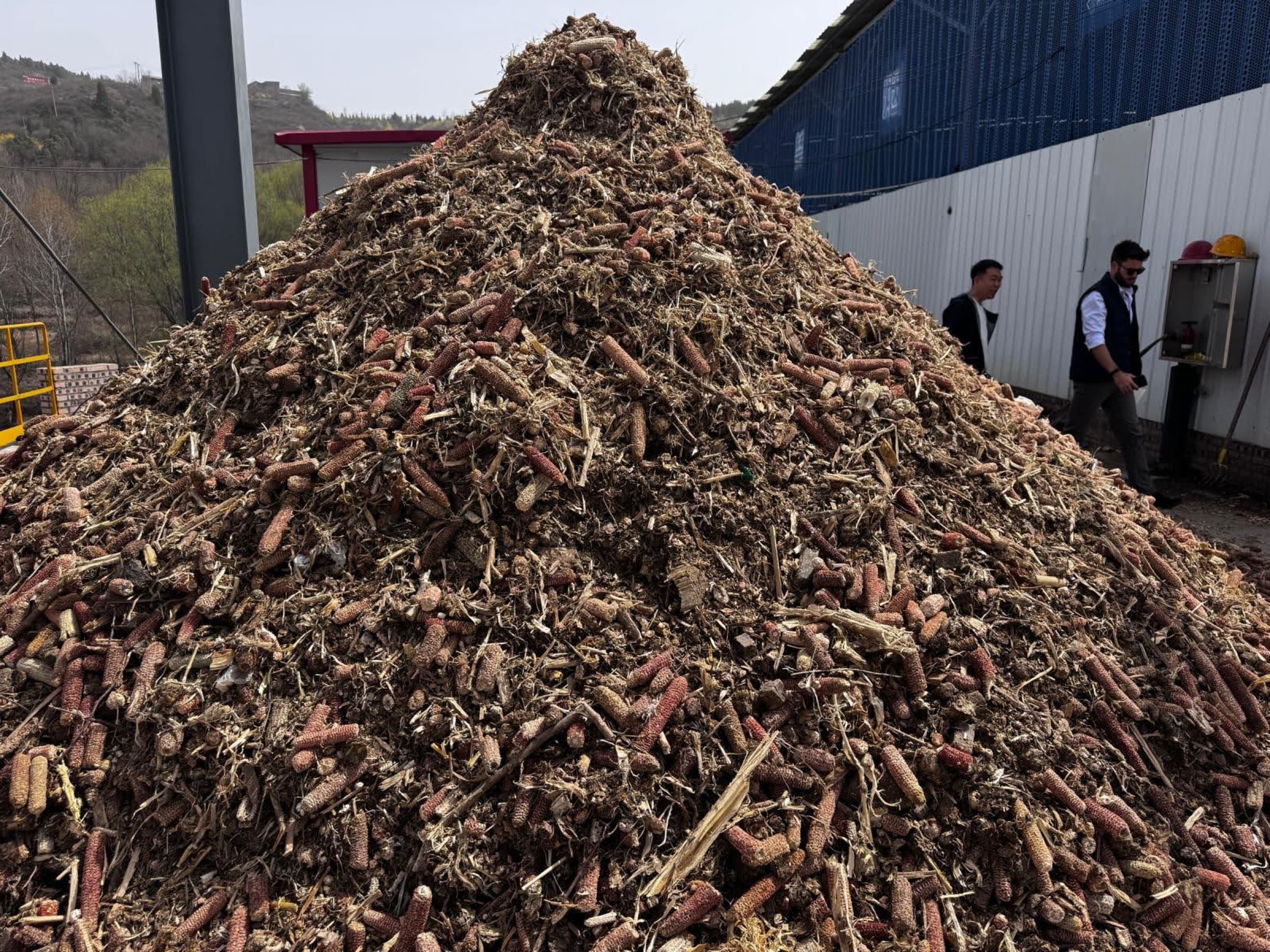
Agricultural processing has a structural advantage when it comes to energy. Every mill that turns a crop into a product also produces residue — husk, shells, fibre, bagasse, stalks, offcuts — and most of those residues are fuels. At the same time, the mill uses large amounts of electricity and often heat, for long hours, and increasingly pays more for both.
Onsite generation connects those facts. This guide brings together how it works, which sites suit it, and how to evaluate it.
Why processors are well suited
Three characteristics make agricultural processors strong candidates:
- Fuel on site. Residue is produced where the energy is needed, with no collection network to build.
- Long operating hours. Mills often run two or three shifts, or continuously during the season, so a plant runs at high utilisation.
- Heat demand. Drying, sterilising, cooking and pressing need heat — which an onsite plant supplies from the same fuel.
Sector by sector
| Sector | Main residues | Typical heat use | Read more |
|---|---|---|---|
| Palm oil mills | Empty fruit bunches, fibre, kernel shell | Sterilisation, process steam | Palm oil mills |
| Rice mills | Husk, straw | Paddy drying | Rice husk to power |
| Sugar mills | Bagasse | Process steam | Sugar mill energy |
| Wood and plywood | Offcuts, sawdust, bark | Veneer drying, presses, kilns | Wood waste power |
| Nut, coconut and food processing | Shells, husks | Roasting, drying, cooking | Food processing and cold storage |
How the plant works
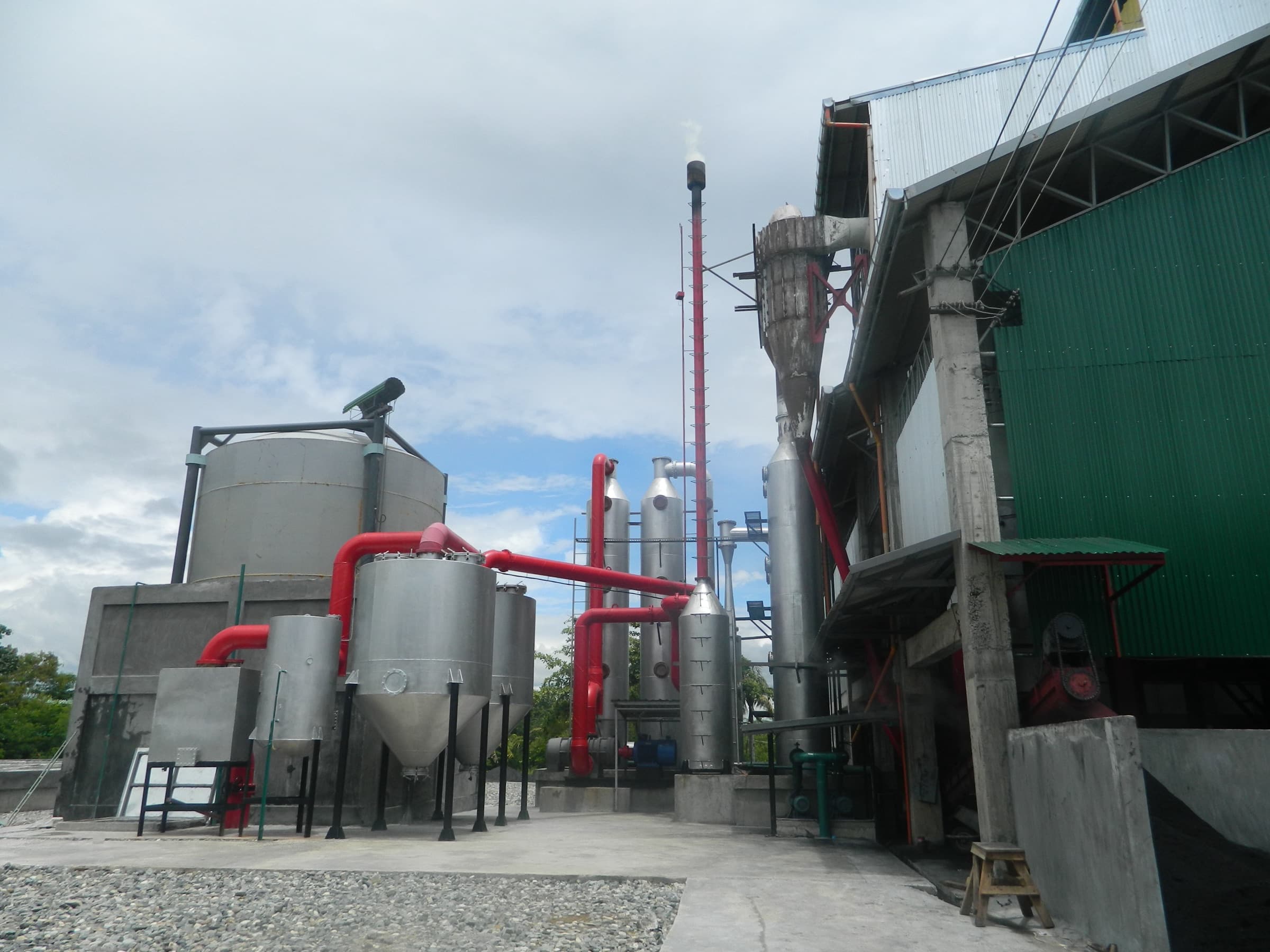
A CNP plant converts residue into a fuel gas through gasification, then uses that gas to generate electricity in engines, recovers heat for the process, and leaves part of the carbon behind as biochar. See biomass gasification explained.
For the mill, the practical picture is simple: residue goes in at one end; electricity, steam or hot water, and biochar come out.
Where the value comes from
- Electricity that replaces grid purchases, priced below the current tariff under a long-term agreement.
- Heat that replaces boiler fuel.
- Residue that no longer costs money to store, haul or dispose of.
- Biochar, which can return to fields as a soil amendment and, where it qualifies, generate verified carbon removal.
- Reliability, with continuous generation that keeps lines running through grid disturbances.
What decides whether it works
The deciding factors, roughly in order:
- Fuel — volume, seasonality, moisture and ash. See assessing your feedstock.
- Load — how much electricity and heat, and when.
- Tariffs — what you pay today and how it is likely to move.
- Site — space, access and connection points.
- Regulation — rules for behind-the-meter generation and export.
How to pay for it
Most processors choose Energy-as-a-Service: CNP finances, builds, owns and operates the plant, and the mill buys the energy. Customer-owned and joint development models are available for larger or strategic projects. See Energy-as-a-Service vs owning the plant.
How to start
A site assessment answers whether a project is worth developing, using your energy bills, residue records and a site visit.
Assess your mill, or see Agricultural Processing.
.jpeg&w=3840&q=75&dpl=dpl_8omWQr2dmx9eNa5YGxR721ZE6K6N)