
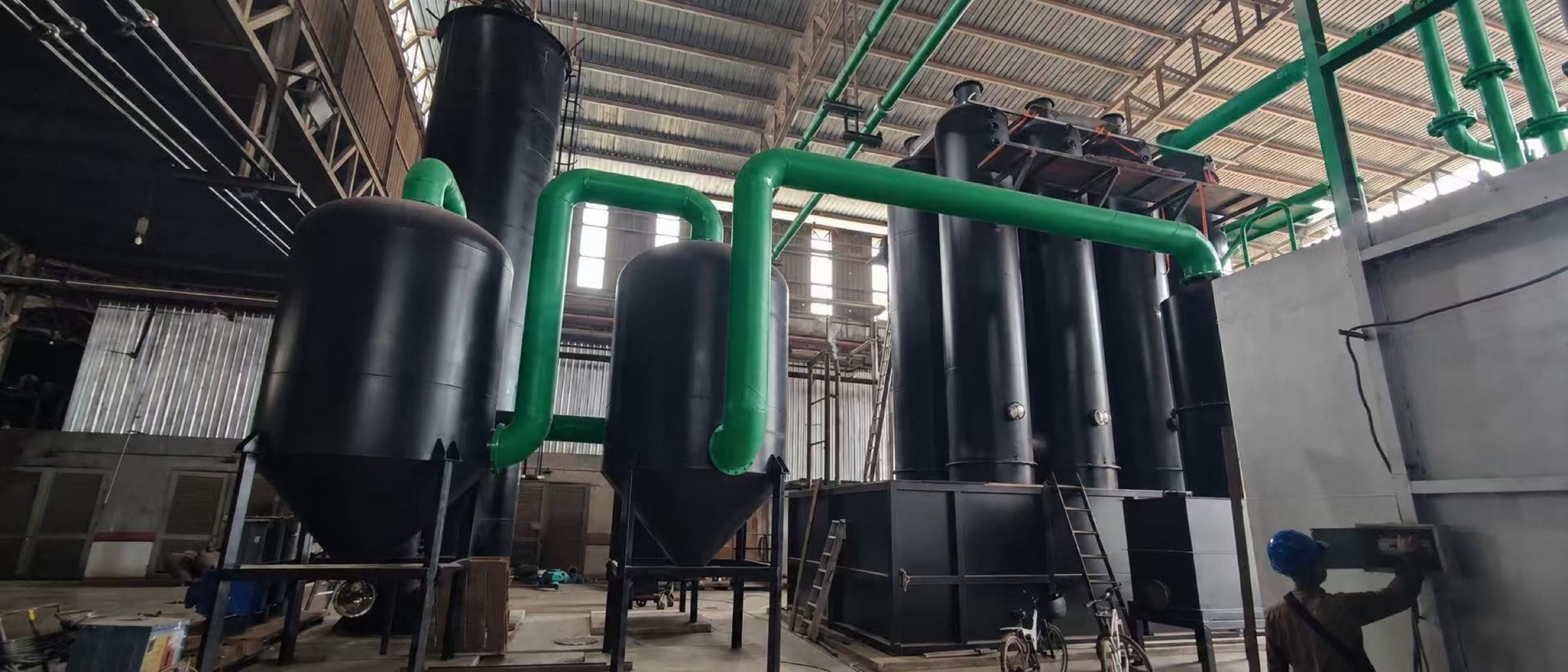
Industries · Forestry & wood processing
Your wood residue is your power plant's fuel.
Offcuts, sawdust and bark become continuous power and heat for presses, dryers and kilns.
- CHP
- Power and steam from one plant
- 24/7
- Baseload for presses and dryers
- Residue → fuel
- Offcuts, sawdust, bark
- No capex
- With Energy-as-a-Service
01
02
03
04
Waste-to-value calculator
What is your wood residue worth?
A few quick inputs. See the power, steam and savings an onsite plant could deliver.
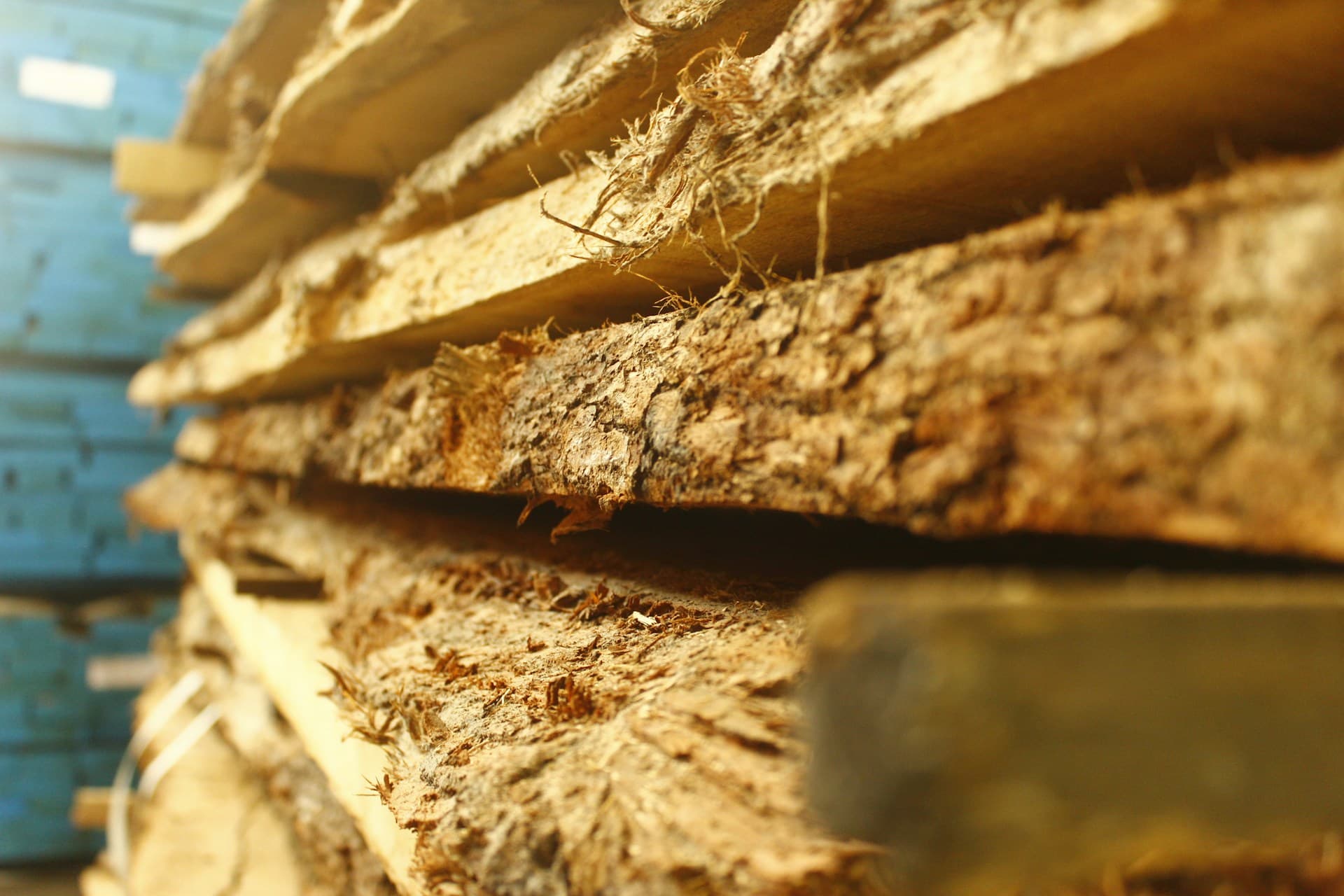
A wood mill already owns the fuel for its own power plant. It just burns it, pays to move it, or leaves it to rot.
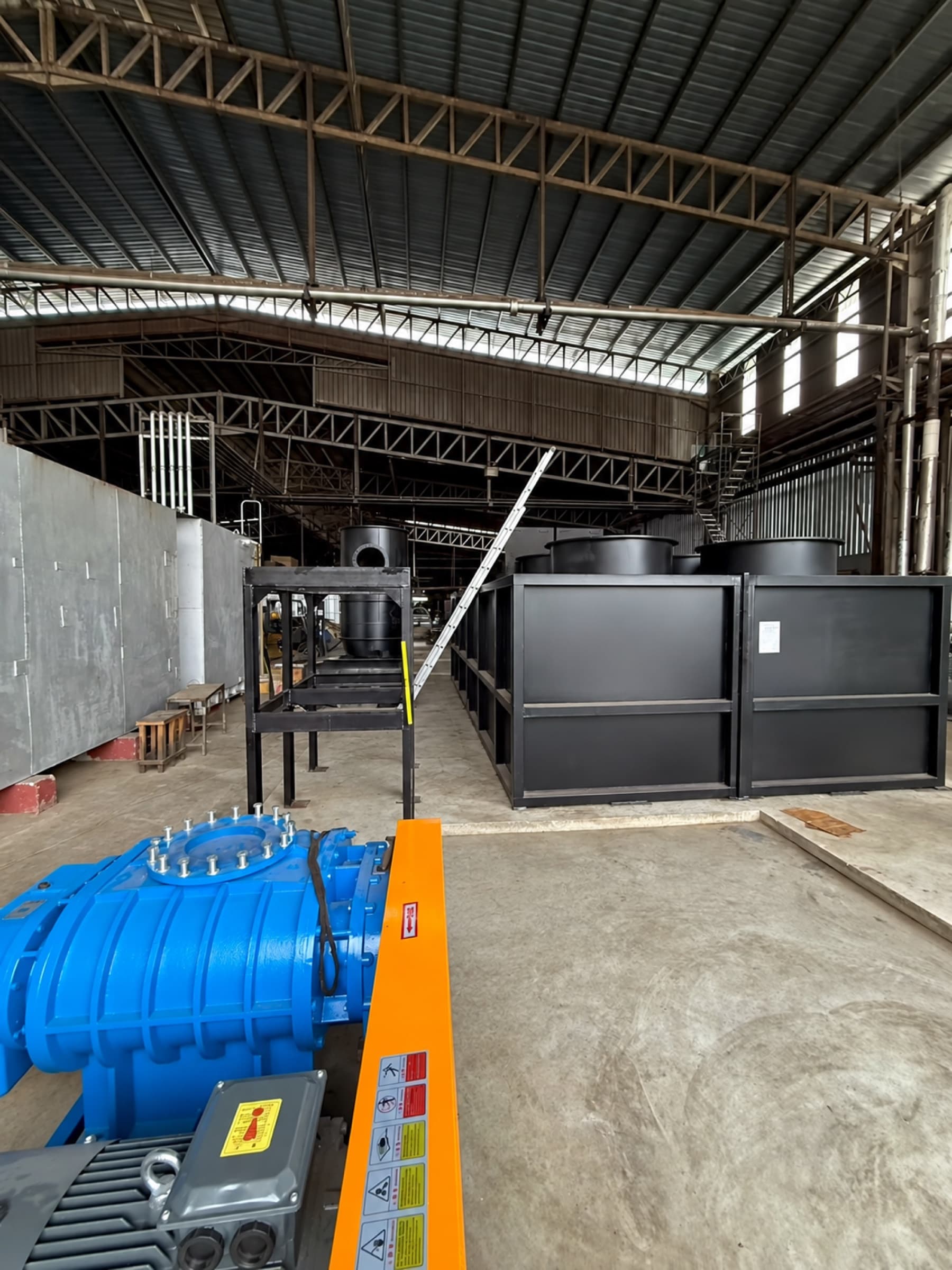
The energy problem
Big loads, big residue piles.
Heavy electrical and heat demand
Presses, dryers and kilns run for long shifts and need both power and steam.
Residue disposal
Offcuts, sawdust and bark cost money to store and remove.
Fuel and tariff exposure
Grid tariffs and boiler fuel prices move independently of your product prices.
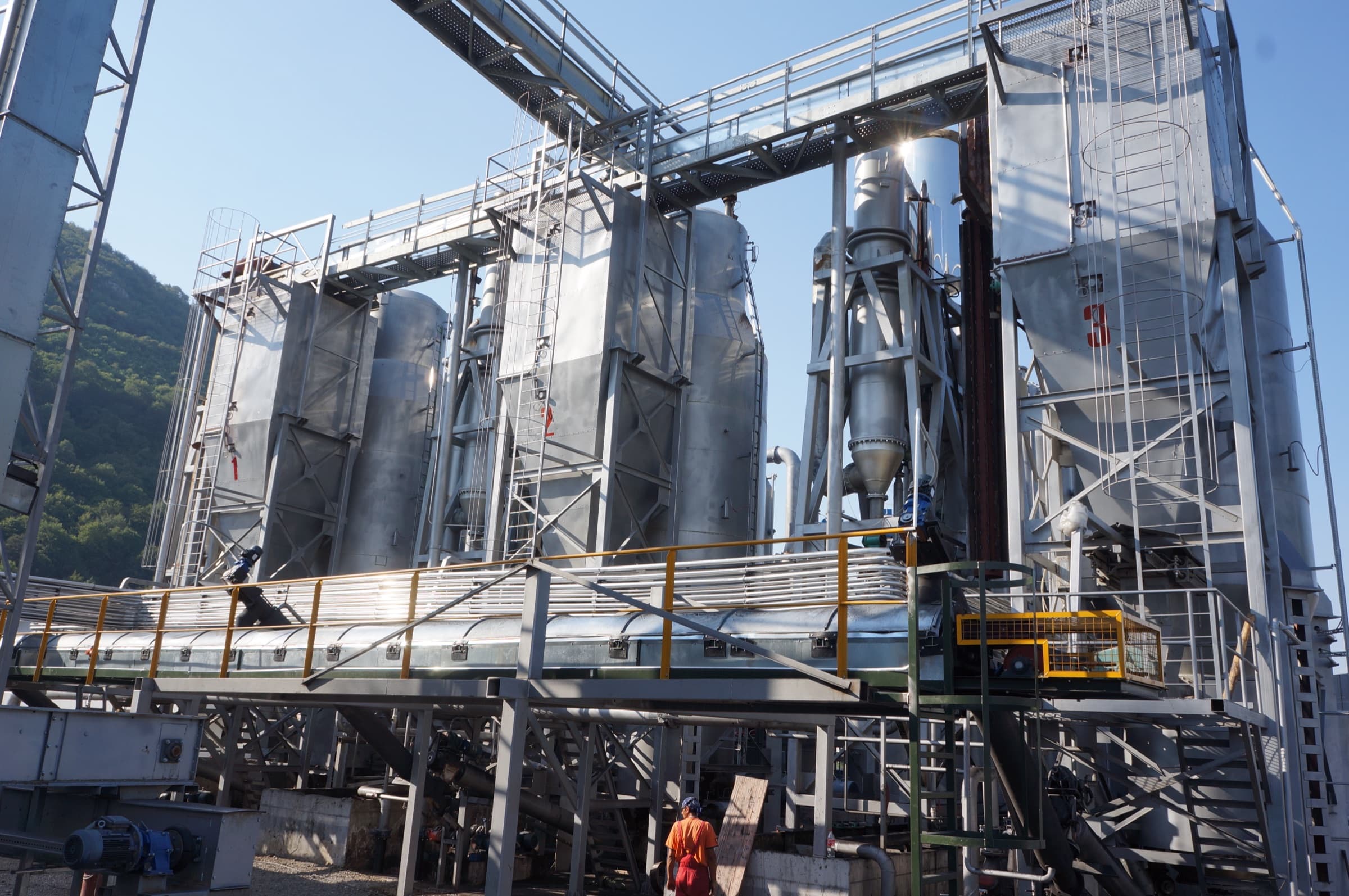
Why onsite generation
Combined power and heat from the residue you already have.
A CNP plant converts wood residue into electricity and recovered heat on site, replacing grid purchases and boiler fuel at the same time.
It runs continuously, sized to your load and your residue volume, and is operated by CNP.
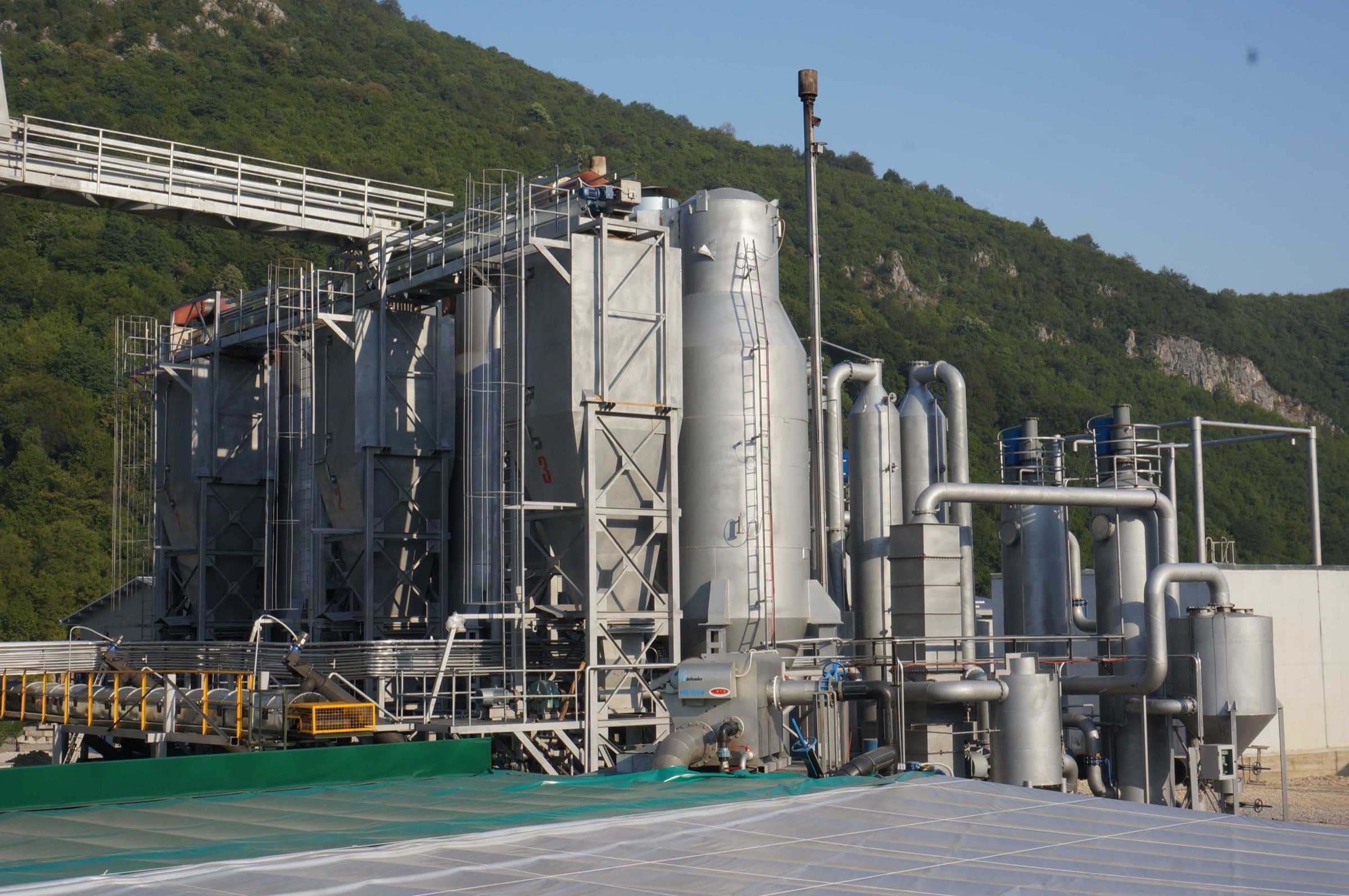
Onsite Power
Electricity and heat, behind the meter.
A CNP plant runs alongside your grid connection or as an off-grid microgrid. Recovered heat supplies steam or process heat.
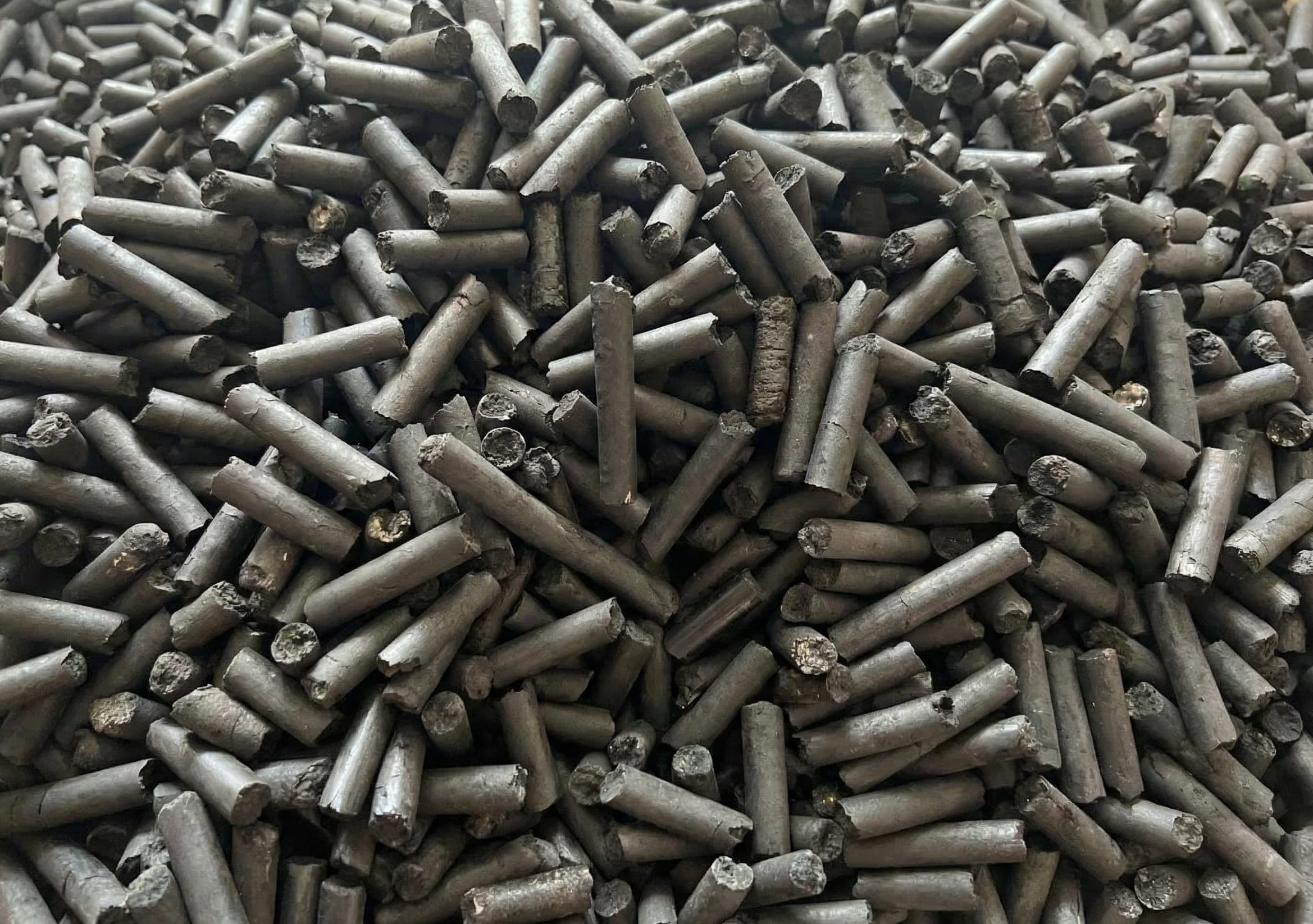
Carbon Removal
Biochar from the same plant.
Qualifying plants produce stable biochar alongside energy, creating independently verified carbon removal.
Commercial benefits
Why wood processors choose onsite energy.
Power and steam from one plant
Electricity for presses and lines, heat for dryers and kilns.
No capital outlay
Under Energy-as-a-Service, CNP funds, builds and operates the plant.
Residue becomes fuel
Offcuts and sawdust feed the plant instead of costing money to remove.
A lower-carbon product
Onsite renewable energy supports the low-carbon story your export buyers increasingly ask for.
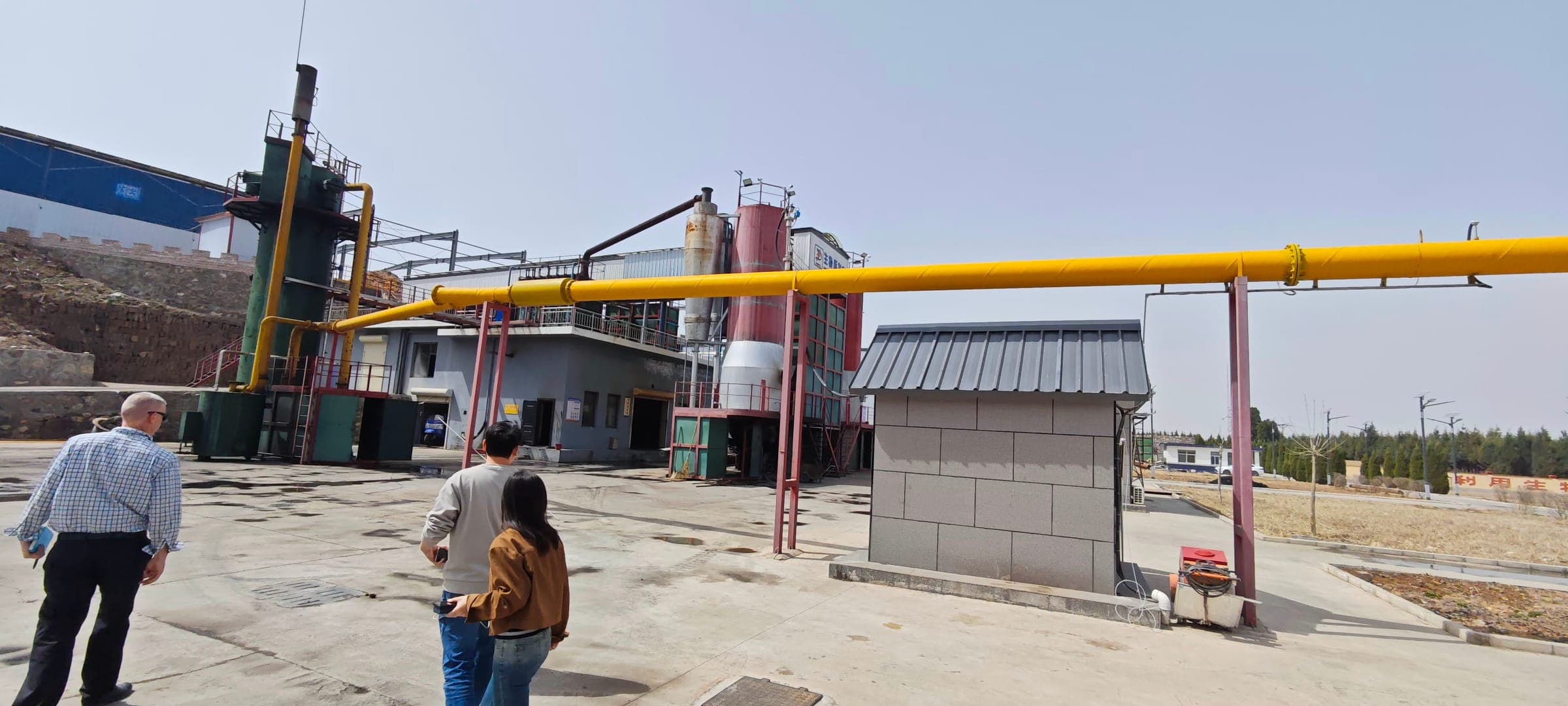
Typical system
Combined heat and power, sized to your mill.
01
Wood residue
Offcuts, sawdust, bark, chips
02
CNP energy plant
Built, owned and operated by CNP
03
Power + steam
Behind the meter
04
Your mill
Presses, dryers, kilns
Typical arrangement
- Operation: 24/7 baseload
- Outputs: Electricity + steam
- By-product: Biochar
- Contract: Long-term energy agreement
Explore a live plant
Step inside a working CNP plant.
A live digital twin of our 1.5 MW plant in Penang. Click through and watch power, steam and biochar being produced.
Explore the plant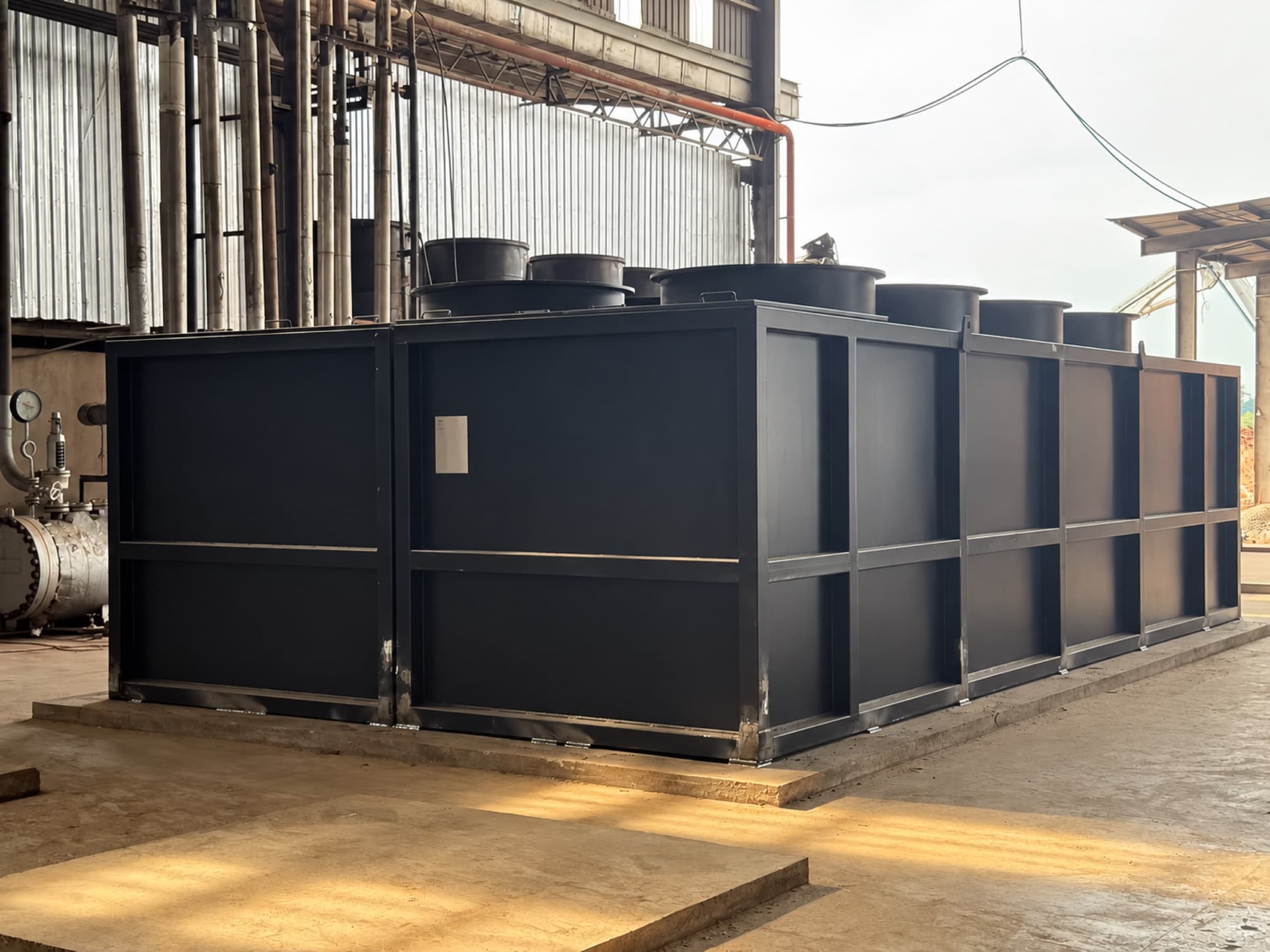
Case study · Penang, Malaysia · Commissioning
Power and steam for Asia Green Wood's plywood mill.
- Electricity
- 1.5 MW
- Process steam
- 5 t/h
- Status
- Commissioning
The challenge
A 24/7 plywood operation paying rising grid tariffs and firing coal for process steam, with a steady stream of wood residue on site.
What CNP delivers
A CNP onsite plant supplying 1.5 MW of electricity and 5 t/h of contracted process steam, fuelled by the mill's residues and local plantation wood.
View the project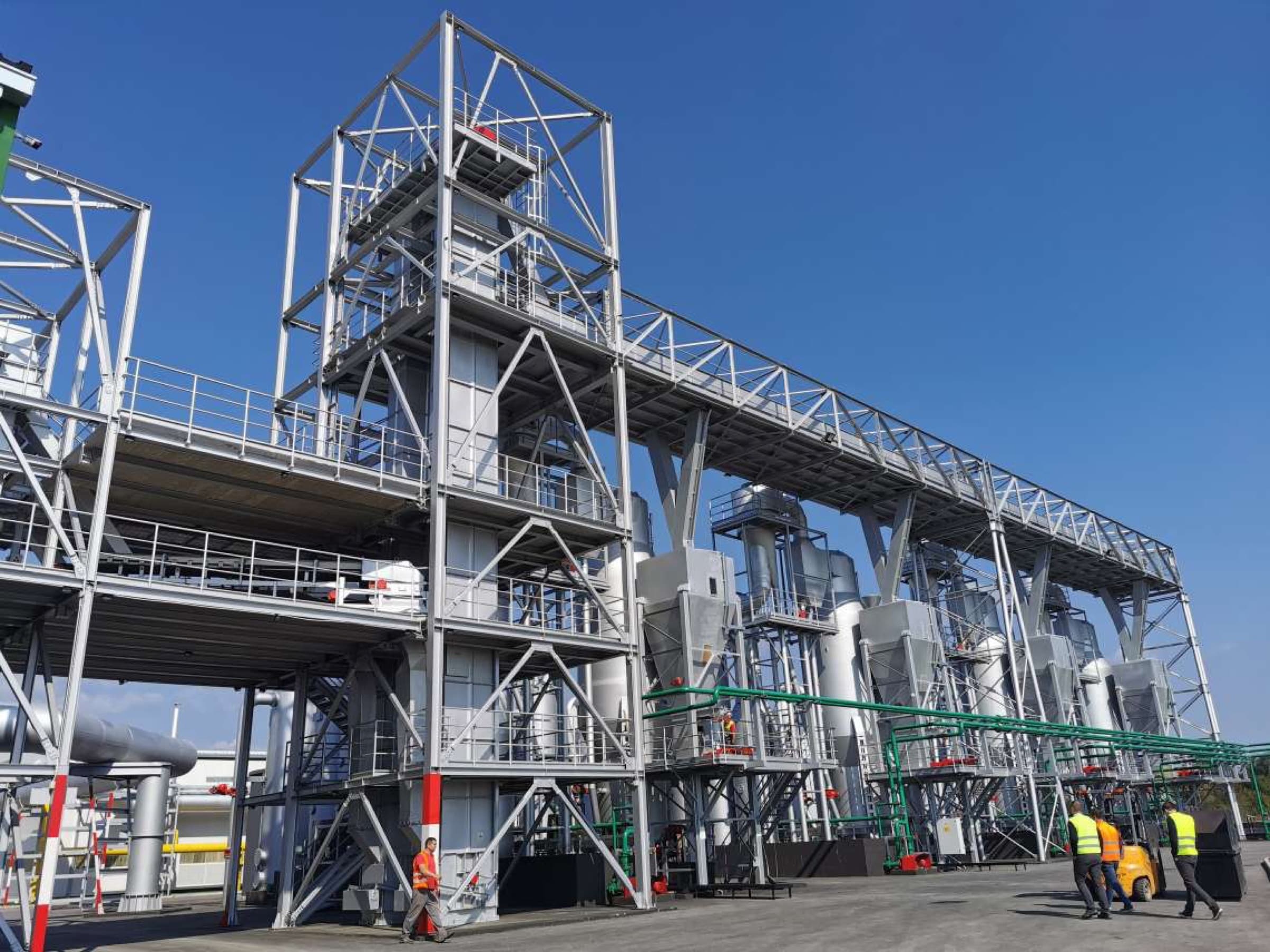
FAQ
Questions from wood processors.
Can it replace our coal or oil-fired boiler?
In many cases, yes. Recovered heat from the plant can supply the steam your boiler provides today.
What moisture content can the residue have?
We assess your residue during the site assessment. Drying can be integrated using recovered heat where needed.
Do we need to fund the plant?
No. Under Energy-as-a-Service CNP finances, builds, owns and operates it. You buy the energy.
How long from contract to power?
It depends on site preparation, permitting and plant size. We set out the timeline in the proposal.
Insights
Further reading.
.jpeg&w=3840&q=75&dpl=dpl_8omWQr2dmx9eNa5YGxR721ZE6K6N)
See if onsite energy works for your mill.
Tell us your location, energy demand and fuel. We will tell you quickly whether a detailed assessment is worthwhile.