
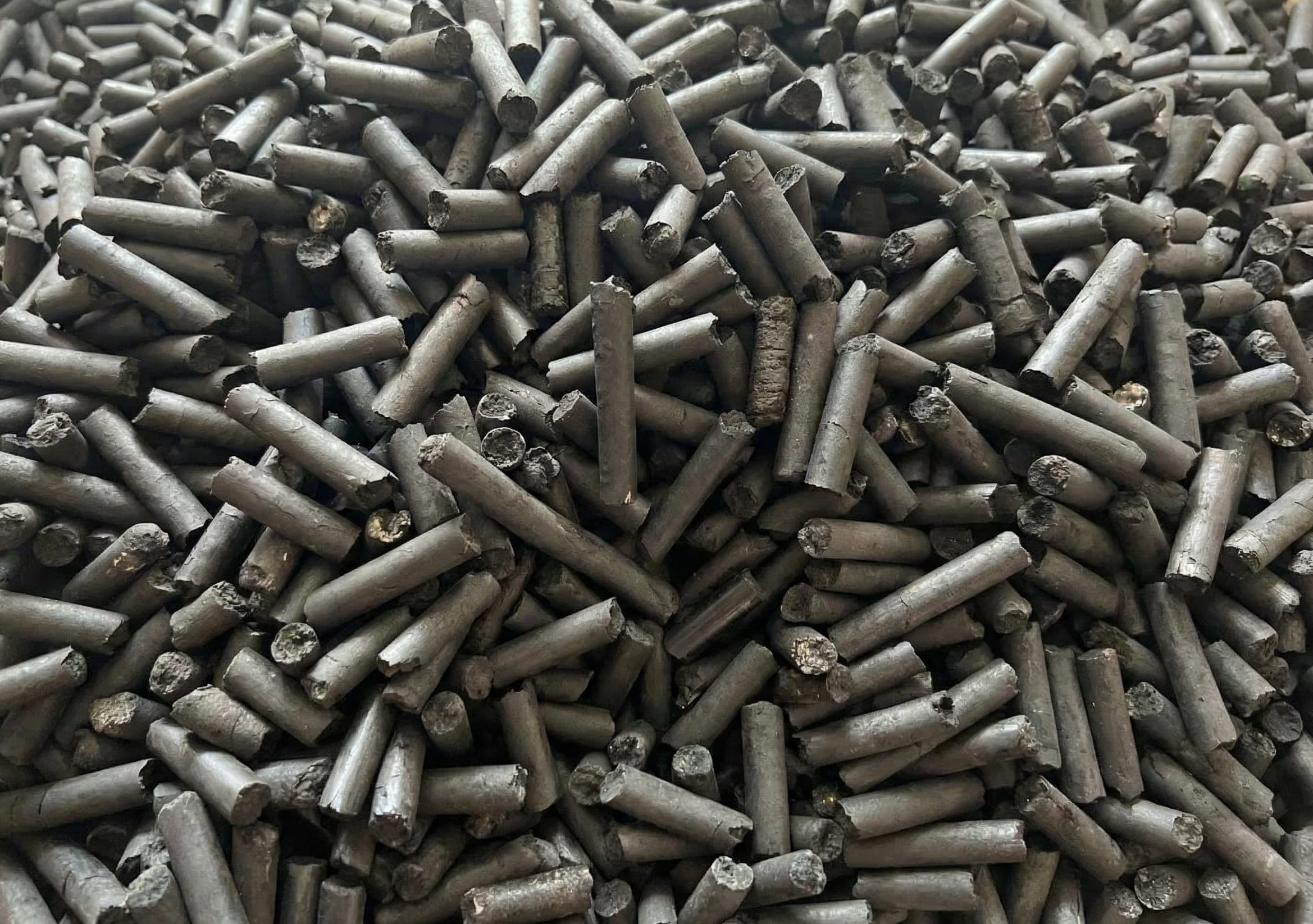
Solutions · Carbon removal
Permanent carbon removal from the same plant.
Stable biochar produced alongside energy, measured and independently verified.
How it works
Energy and carbon removal from one process.
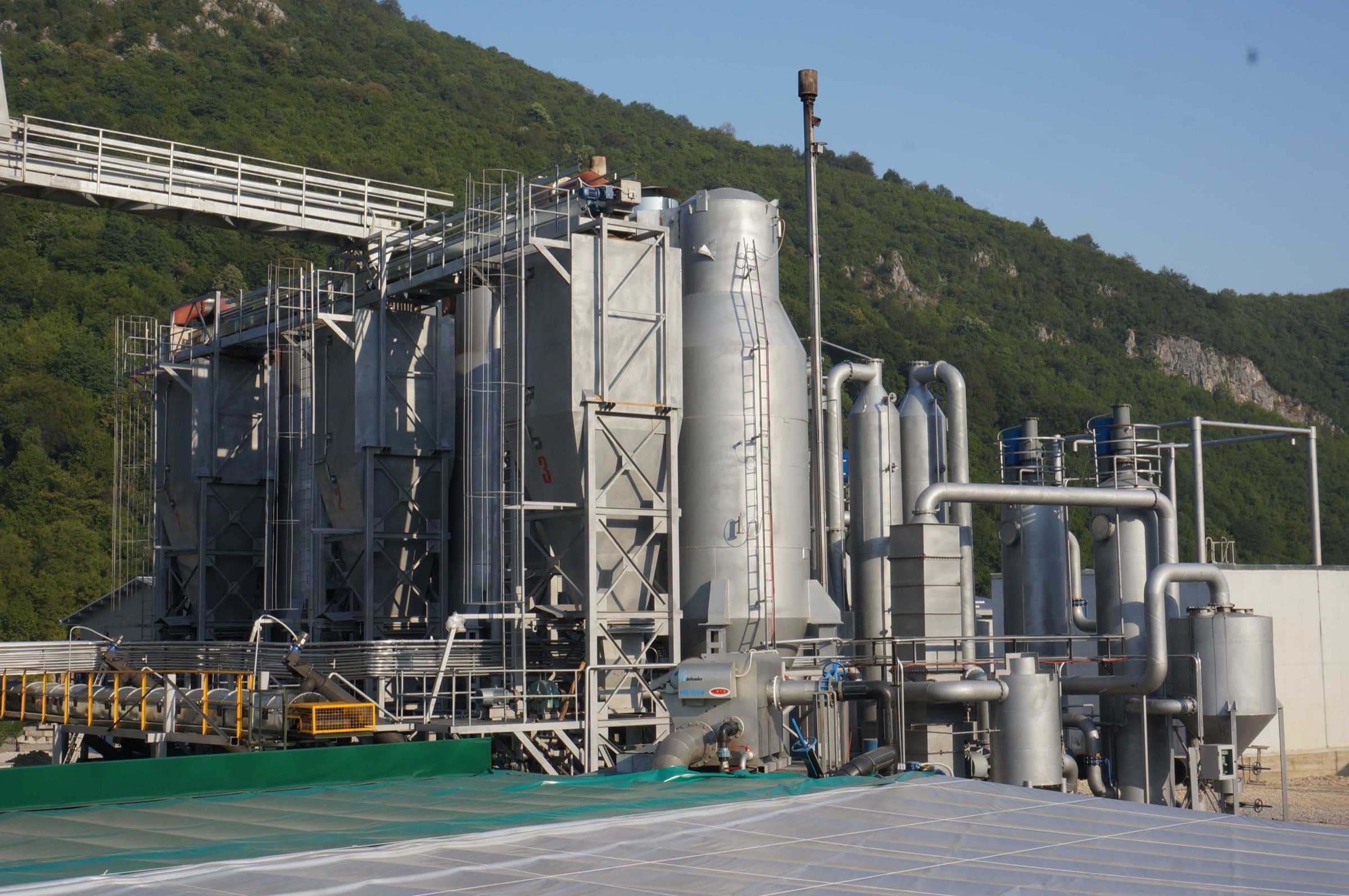
Gasification converts biomass into usable energy while retaining part of its carbon as stable biochar.
01
Biomass
Agricultural & forestry residues
02
CNP process
Gasification
03
Energy
Power, heat, renewable gas
04
Biochar
Stable carbon
05
Carbon removal
Measured and verified
01
Biomass
Agricultural & forestry residues
02
CNP process
Gasification
03
Energy
Power, heat, renewable gas
04
Biochar
Stable carbon
05
Carbon removal
Measured and verified
Permanence
Carbon that stays out of the atmosphere.
Left to decompose or burned, residue returns its carbon to the atmosphere within years. Converted to biochar, a large share of that carbon is held in a stable form.
Recognised biochar methodologies assess this persistence over very long timeframes, which is why biochar removal is treated as durable carbon removal rather than a temporary offset.
- Carbon drawn down by plants is stored, not just avoided
- Stability is assessed from laboratory analysis of each batch
- Durability is modelled under recognised methodologies
- The energy from the plant separately displaces fossil fuel
Measurement
Measured, not estimated.
- 01
Sampling
Biochar output is sampled on a set schedule at the plant.
- 02
Laboratory analysis
Carbon content and stability are measured by accredited laboratories.
- 03
Monitoring
Feedstock, output and plant data are recorded continuously.
- 04
Independent verification
Results are verified by a third party before credits are issued.
- 05
Registry
Credits are issued and tracked on a recognised registry.
Offtake
Who holds the credits.
Ownership of the carbon removal is agreed up front, in the energy agreement.
Energy-as-a-Service
CNP registers, holds and sells the carbon removal, which helps keep your energy price below grid.
Customer-owned plant
You own the removal. CNP can manage measurement, registration and sale on your behalf.
Offtake agreements
Credits are sold to buyers under long-term offtake agreements.

Uses
Where the biochar goes.
Agriculture
Soil amendment that improves water and nutrient retention.
Construction
Additive for concrete and building materials.
Industrial
Filtration, remediation and carbon additive applications.
Further reading
The science behind biochar permanence.
FAQ
Common questions.
Is this carbon removal or avoided emissions?
Biochar is carbon removal: carbon drawn down by plants is stored in a stable form. The renewable energy separately displaces fossil fuel.
Who verifies the carbon removal?
An independent third party verifies measurements before credits are issued on a recognised registry.
Does every plant produce credits?
Qualifying plants do. It depends on feedstock, plant configuration and the methodology used.
Insights
Further reading.

Talk to us about carbon removal.
Energy projects, biochar offtake and carbon partnerships.