"Carbon credit" covers very different things. Some represent emissions that were avoided; others represent carbon physically taken out of the atmosphere. As corporate climate claims come under more scrutiny, the difference has become central to what buyers purchase and what they can say about it.
Avoidance
An avoidance (or reduction) credit represents emissions that would have happened without the project but did not. Examples include:
- renewable energy displacing fossil generation;
- efficient cookstoves reducing wood burning;
- capturing methane from landfills;
- protecting forests that would otherwise have been cleared.
Avoidance is valuable — the world needs far less emitted. But avoidance credits depend on a counterfactual: an estimate of what would have happened otherwise. That baseline is where much of the controversy in voluntary markets has come from.
Removal
A removal credit represents carbon dioxide taken out of the atmosphere and stored. Examples include:
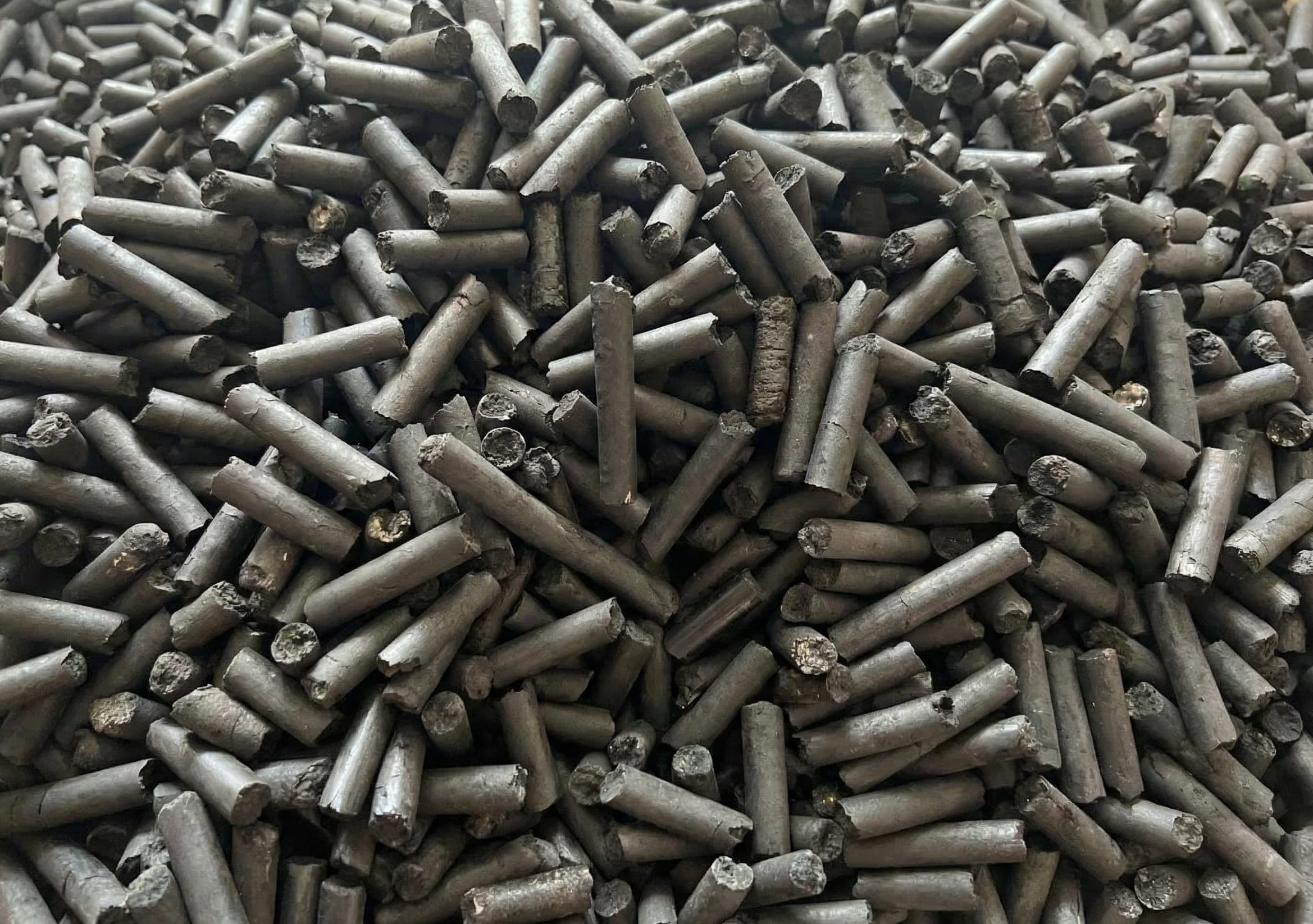
- biochar;
- direct air capture with geological storage;
- bioenergy with carbon capture and storage;
- enhanced rock weathering;
- afforestation and soil carbon (with shorter or less certain durability).
Removals do not depend on a counterfactual in the same way: the carbon stored can, in principle, be measured.
Why the distinction matters
Net-zero frameworks increasingly expect companies to cut their own emissions first and to use removals, not avoidance, to balance the residual emissions they cannot eliminate. Avoidance credits may still support broader climate contributions, but they generally cannot be used to claim net zero.
That shift is why demand for high-quality removal has grown and why it commands higher prices. See why biochar commands a premium.
Durability
Removals differ in how long the carbon stays stored:
| Pathway | Storage | Durability |
|---|---|---|
| Forests and soils | Living biomass, soil organic matter | Decades; reversible by fire, disease or land-use change |
| Biochar | Stable carbon in soil or materials | Long-term; assessed from measured stability indicators |
| Geological storage | CO₂ injected underground | Very long-term |
Buyers increasingly look for durable removals, or a portfolio weighted towards them.
Where biochar fits
Biochar sits in a useful middle ground: durable, measurable and available today at meaningful scale. When it is produced inside an energy plant, the project delivers two separate benefits:
- the renewable energy displaces fossil fuel — an avoidance benefit;
- the biochar stores carbon — a removal.
These should be reported separately and never double counted. See how biochar carbon removal is measured and verified.
Questions to ask any removal supplier
- What methodology and registry are used?
- How is durability assessed, and what assumptions are made?
- Are life-cycle emissions deducted?
- Where does the stored carbon end up, and how is that evidenced?
- Is any avoidance benefit being claimed on the same tonnes?
Next step
Talk to us about biochar carbon removal from CNP plants, or see Carbon Removal.