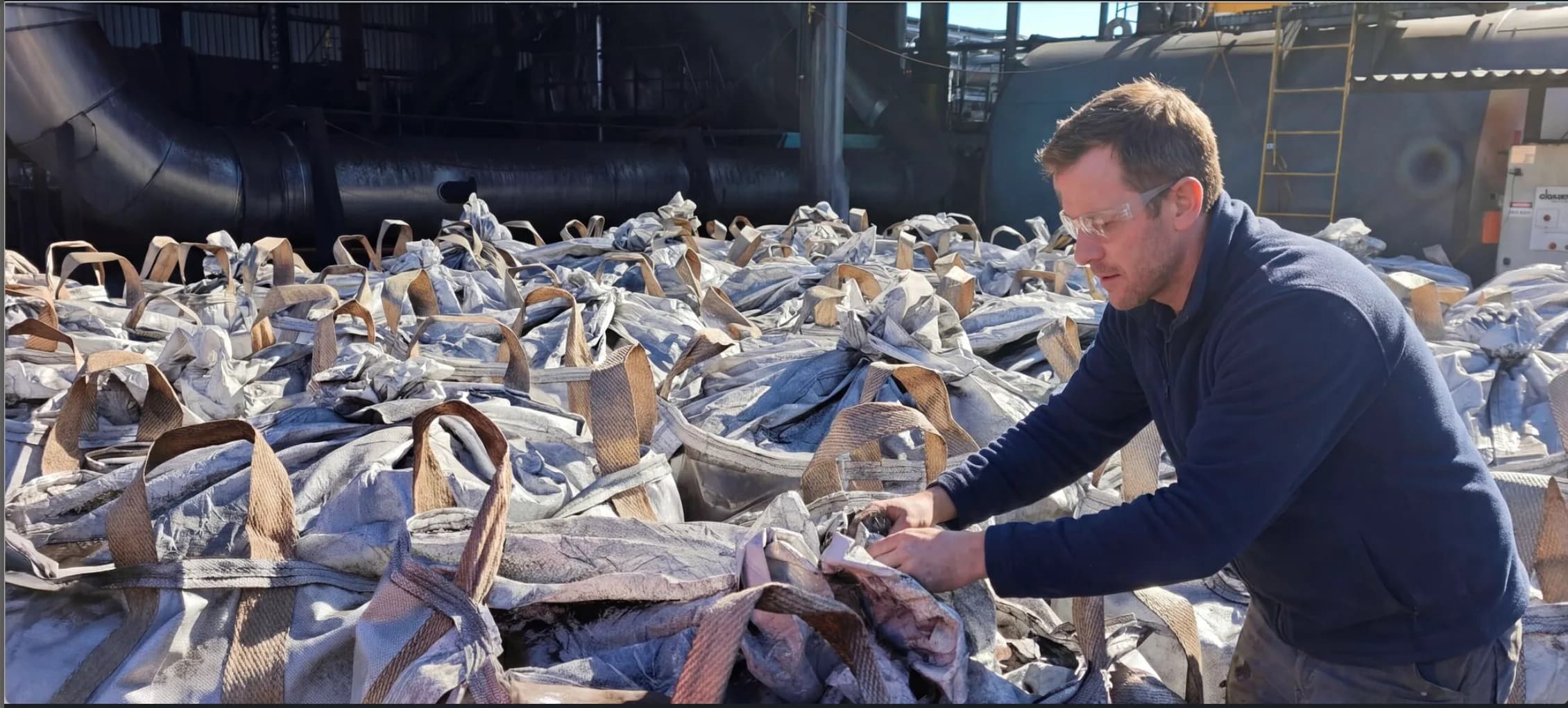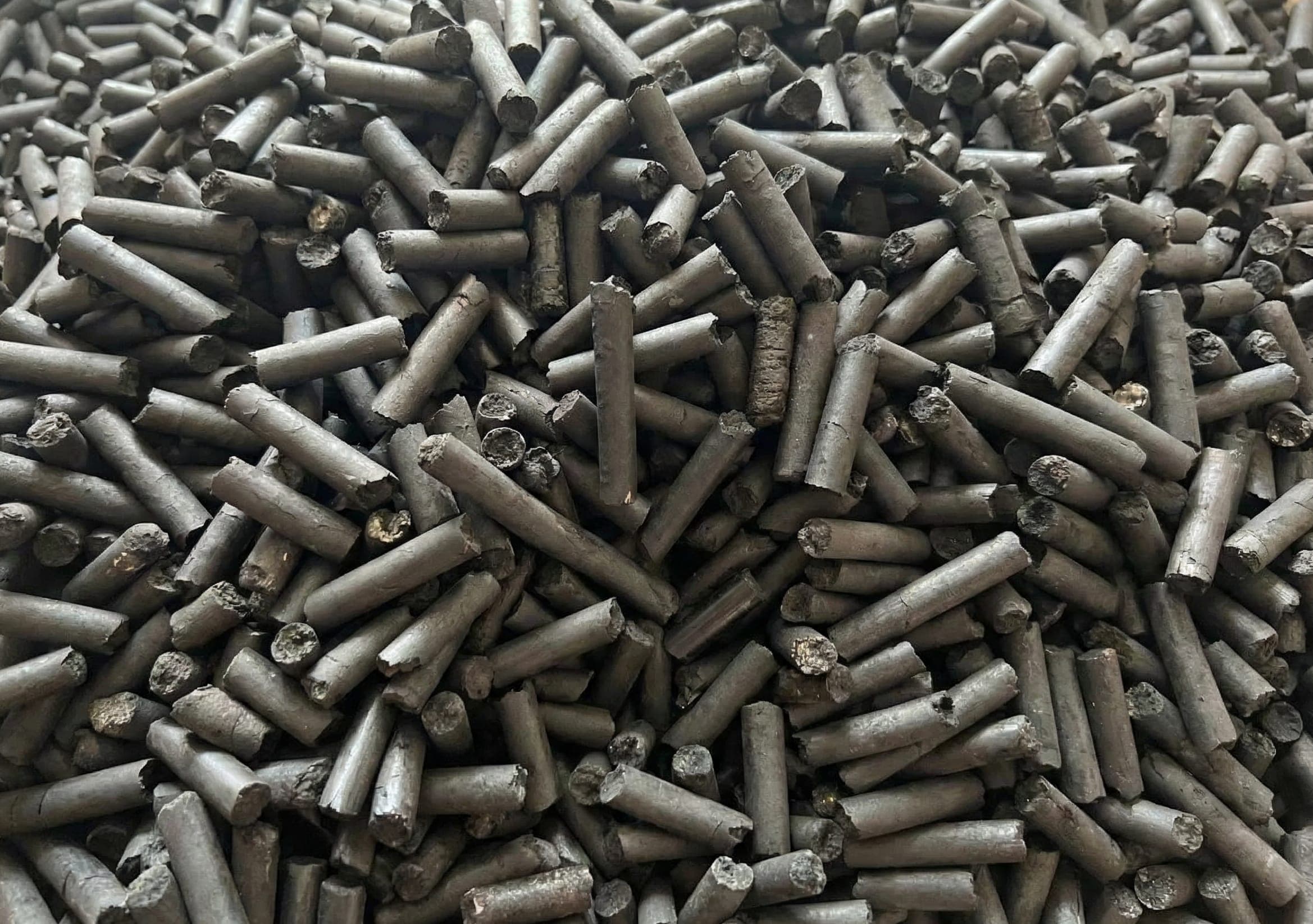
Most power plants have one product: energy. A plant that converts biomass to energy and also produces biochar has two. The second — verified carbon removal — has become a real revenue stream, and it changes the economics of onsite energy in ways that matter to customers.
Two products from one fuel
Every tonne of residue that goes into a gasification plant produces:
- Energy — electricity, heat or renewable gas — sold to the customer under an energy agreement;
- Biochar — a stable carbon product that, once measured, verified and put to durable use, generates carbon removal credits.
The same fuel, the same plant and the same operating team produce both.
Why removal credits are valued differently
Carbon credits are not all alike. Most historical volume in voluntary markets came from avoidance — projects that claim to prevent emissions that would otherwise have happened, such as protecting forests or replacing cookstoves. Those credits have faced sustained scrutiny over baselines and permanence.
Removal credits represent carbon physically taken out of the atmosphere and stored. Biochar sits among the more durable, measurable removal pathways, because the carbon is a physical product that can be weighed, sampled and analysed. Buyers with net-zero commitments increasingly need removals rather than avoidance to address residual emissions, and they pay accordingly. We covered the price difference in why biochar commands a premium.
How the revenue is structured
Turning biochar into revenue involves:
- Methodology. The project is registered under a recognised biochar methodology.
- Measurement. Output is sampled and analysed; removal is calculated net of life-cycle emissions. See how biochar removal is measured.
- Verification. An independent verifier audits the data.
- Issuance. Credits are issued on a registry.
- Sale. Credits are sold on the spot market or, more commonly for serious buyers, under long-term offtake agreements at an agreed price and volume.
Long-term offtake gives the project predictable revenue, which matters when it is being financed.
Who owns the removal
Ownership has to be settled before the plant is built, and it depends on the commercial model:
| Model | Who holds the removal | How the customer benefits |
|---|---|---|
| Energy-as-a-Service | CNP registers, holds and sells it | Revenue supports a lower energy price |
| Customer-owned plant | The customer | Direct revenue, or claims against their own targets; CNP can manage measurement and sale |
| Joint development | Shared | Agreed per project |
Some customers prefer to retire the credits themselves against their own emissions targets rather than sell them. That is a choice to make early, because it affects the energy price.
How it lowers the energy price
Under Energy-as-a-Service, the plant's revenue comes from two sources. If carbon removal covers part of the plant's costs, less has to be recovered through the energy price. That is one reason a biochar-producing plant can offer energy priced below the grid tariff in markets where a conventional biomass plant could not.
An illustrative example
Consider a simplified plant, with round numbers chosen only to show the mechanics:
- The plant sells energy to its host under a long-term agreement.
- It also produces biochar that, after deductions, yields a quantity of verified removal each year.
- That removal is sold under an offtake contract at an agreed price per tonne.
If the removal revenue covers, say, a tenth of the plant's annual costs, the energy price needed to make the project work falls correspondingly. The actual effect depends on the fuel, the plant configuration, the biochar yield and the credit price — which is why it is modelled for each site during the assessment rather than promised in advance.
What makes removal revenue bankable
Lenders and investors discount revenue they cannot rely on. Removal revenue becomes more bankable when:
- the methodology and registry are established and recognised;
- the plant has a track record of biochar output and quality;
- offtake is contracted for several years with a creditworthy buyer;
- the biochar end use is secured, for example through agreements with agricultural or construction users.
Early projects often finance on energy revenue alone and treat removal revenue as upside; as the market matures, removal revenue carries more weight.
What to be careful about
- Double counting. The renewable energy and the carbon removal are separate claims. The removal credit represents carbon stored; it should not also be counted as avoided emissions by someone else.
- End use. Biochar has to go to a durable use — soil, construction materials — not be burned as fuel.
- Price assumptions. Credit prices vary by methodology, buyer and contract length. Projects should be financed on conservative, contracted prices.
How CNP approaches it
CNP plants produce biochar alongside energy. Under Energy-as-a-Service, CNP registers, holds and sells the carbon removal, which helps keep the customer's energy price below grid; under other models, ownership is agreed in the energy agreement. See Carbon Removal.
Next step
Talk to us about energy projects, biochar offtake or carbon partnerships.