
Solutions · Renewable gas
Renewable gas from biomass.
For industrial heat and steam, and as pipeline-quality synthetic natural gas for the local grid.
Why renewable gas
A renewable replacement for fossil gas.
Industrial heat is one of the hardest energy uses to decarbonise. Kilns, boilers and dryers are built around gas, LPG, oil or coal, and electricity is rarely a like-for-like substitute.
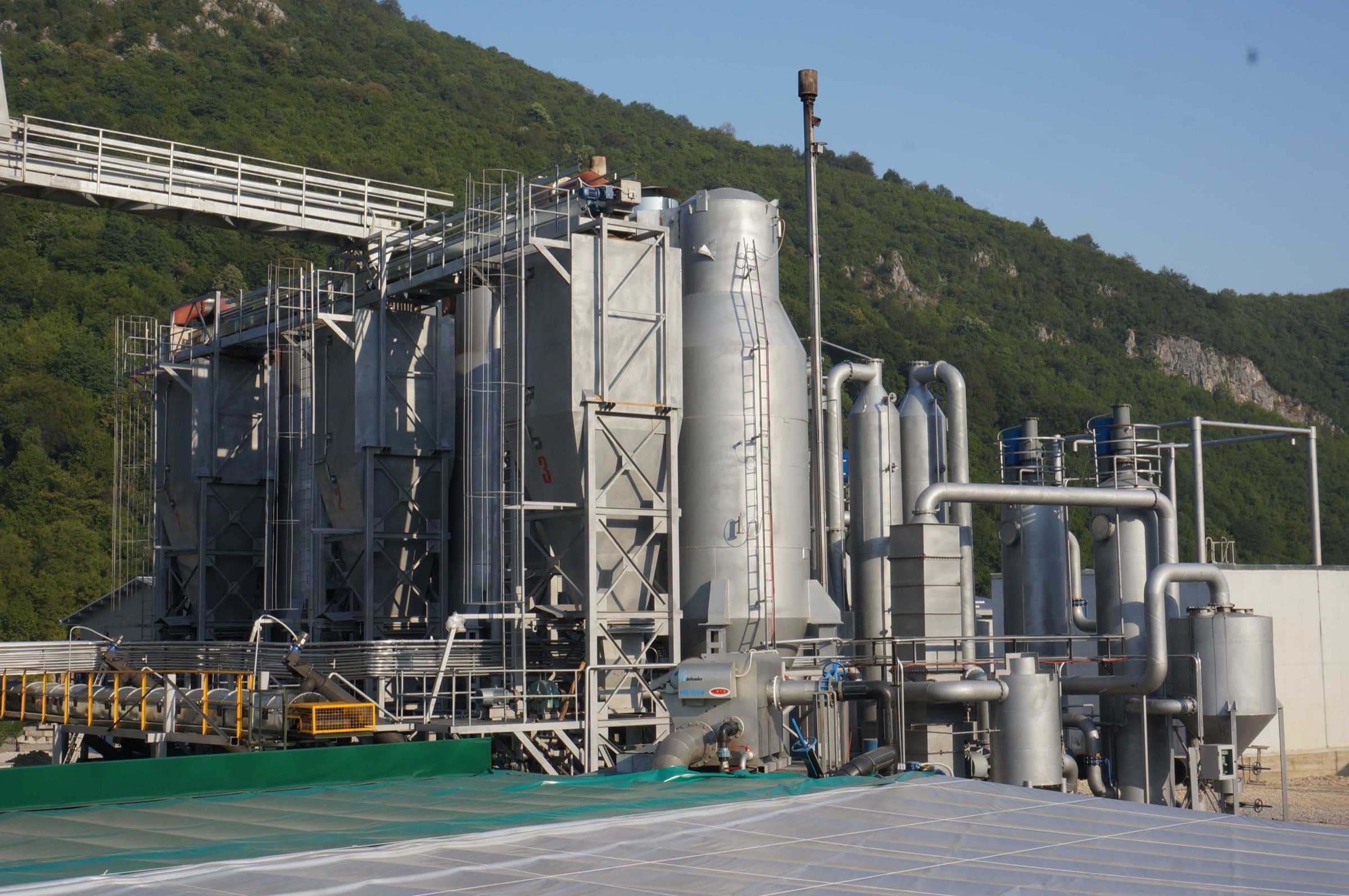
A CNP plant converts locally sourced wood and residues into renewable gas. It can be fired directly in process equipment, used to raise steam, or upgraded to synthetic natural gas that meets pipeline specifications and is injected into the local gas network.
- Renewable heat and steam for kilns, boilers and dryers
- Pipeline-quality synthetic natural gas for grid injection
- Fuel sourced locally, near the plant
- Delivered under a long-term supply agreement
The pathway
From biomass to pipeline-quality renewable gas.
Heat and steam can be taken from the cleaned syngas; for the gas grid it continues through methanation and conditioning.
01
Biomass
Local wood and residues
02
Gasification
Biomass to syngas
03
Syngas cleanup
Tars and particulates removed
04
Methanation
Syngas to methane
05
Gas conditioning
To pipeline specification
06
Renewable SNG
Injected into the local grid
Applications
Two outputs, one plant.
Heat and steam
Renewable gas fired directly in process equipment, or used to raise steam for the site.
Synthetic natural gas
Upgraded to pipeline quality and injected into the local gas network.
Local fuel
Locally sourced wood and forestry or agricultural residues.
Fuel substitution
Replaces LPG, oil, coal or fossil gas without replacing the equipment that uses it.
Supply agreement
Buy the gas, heat or steam. CNP builds, owns and operates the plant.
Carbon removal
Where the configuration allows, stable biochar is recovered alongside the gas.
Modular
Factory-built modules sized to the heat load or gas offtake.
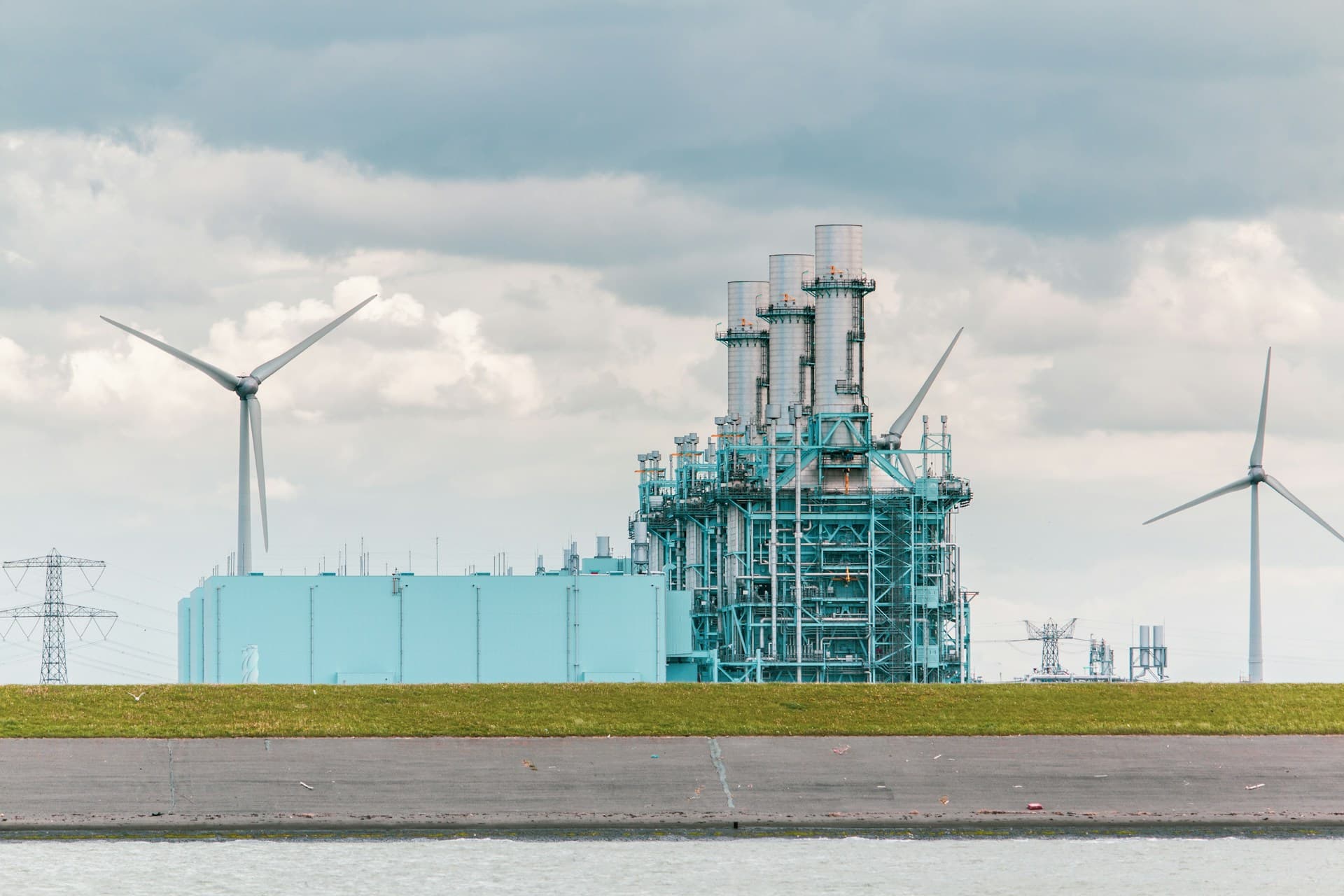
Reference project · USA · In development
Locally sourced wood to pipeline-quality synthetic natural gas
- The challenge
- A regional wood resource with no high-value outlet, and a local gas network that needs renewable supply.
- What CNP delivers
- A CNP plant converting locally sourced wood into synthetic natural gas that is piped into the local gas grid.

FAQ
Common questions.
What is synthetic natural gas?
Gas made from biomass and upgraded until it meets pipeline specifications, so it can be used anywhere natural gas is used and injected into the gas grid.
Can renewable gas replace the fuel in our kilns?
In many thermal processes, yes. We assess your equipment and process requirements during the site assessment.
What feedstock does it use?
Locally sourced wood and agricultural or forestry residues.
Do we need to fund the plant?
No. Under a supply agreement CNP finances, builds, owns and operates the plant, and you buy the gas, heat or steam.
Insights
Further reading.
Renewable Gas · 11 August 2026
Biomass to Synthetic Natural Gas: How Wood Becomes Pipeline-Quality Gas
ReadRenewable Gas · 4 August 2026
Renewable Gas for Industrial Heat: Replacing LPG, Oil and Coal in Kilns and Boilers
ReadRenewable Gas · 5 May 2026
Renewable Gas or Green Hydrogen for Industrial Heat?
Read