When companies set decarbonisation targets, electricity usually comes first. Solar and wind contracts are easy to buy, and electrified motors and lighting are mature. Then they reach the heat — and progress slows.
Why heat is the hard part
Industrial heat is used at a wide range of temperatures:
- Low temperature (below ~100 °C): washing, pasteurising, space heating. Heat pumps and recovered heat can often serve these.
- Medium temperature (~100–400 °C): steam for drying, cooking, pressing, sterilising. Usually supplied by boilers burning gas, oil, coal or biomass.
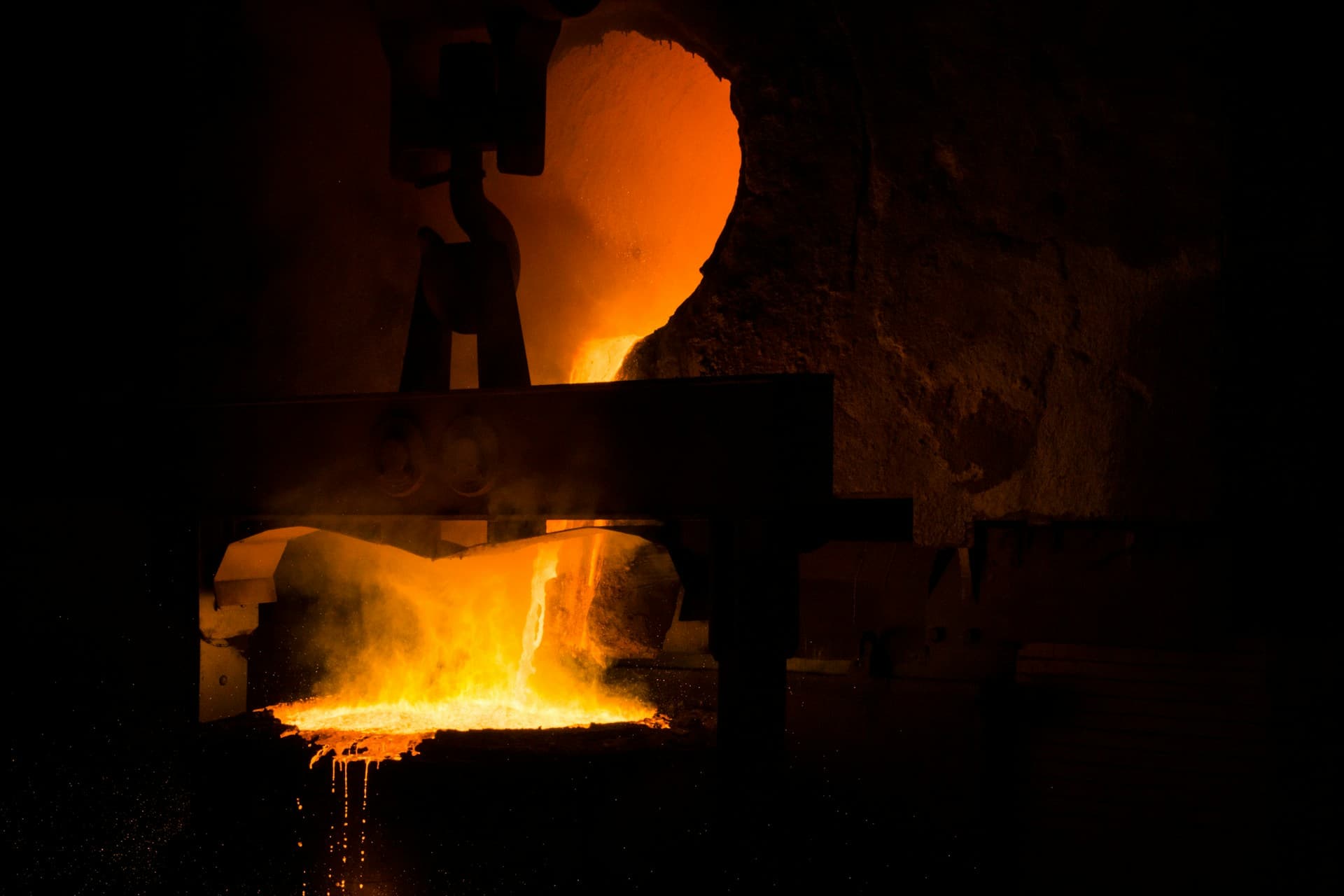
- High temperature (above ~400 °C): kilns, furnaces and calciners in lime, cement, ceramics and metals. Hard to electrify economically.
Most medium- and high-temperature heat is still delivered by burning fossil fuel. Replacing the burner, boiler or kiln is expensive and disruptive. Replacing the fuel is often far simpler.
How renewable gas fits
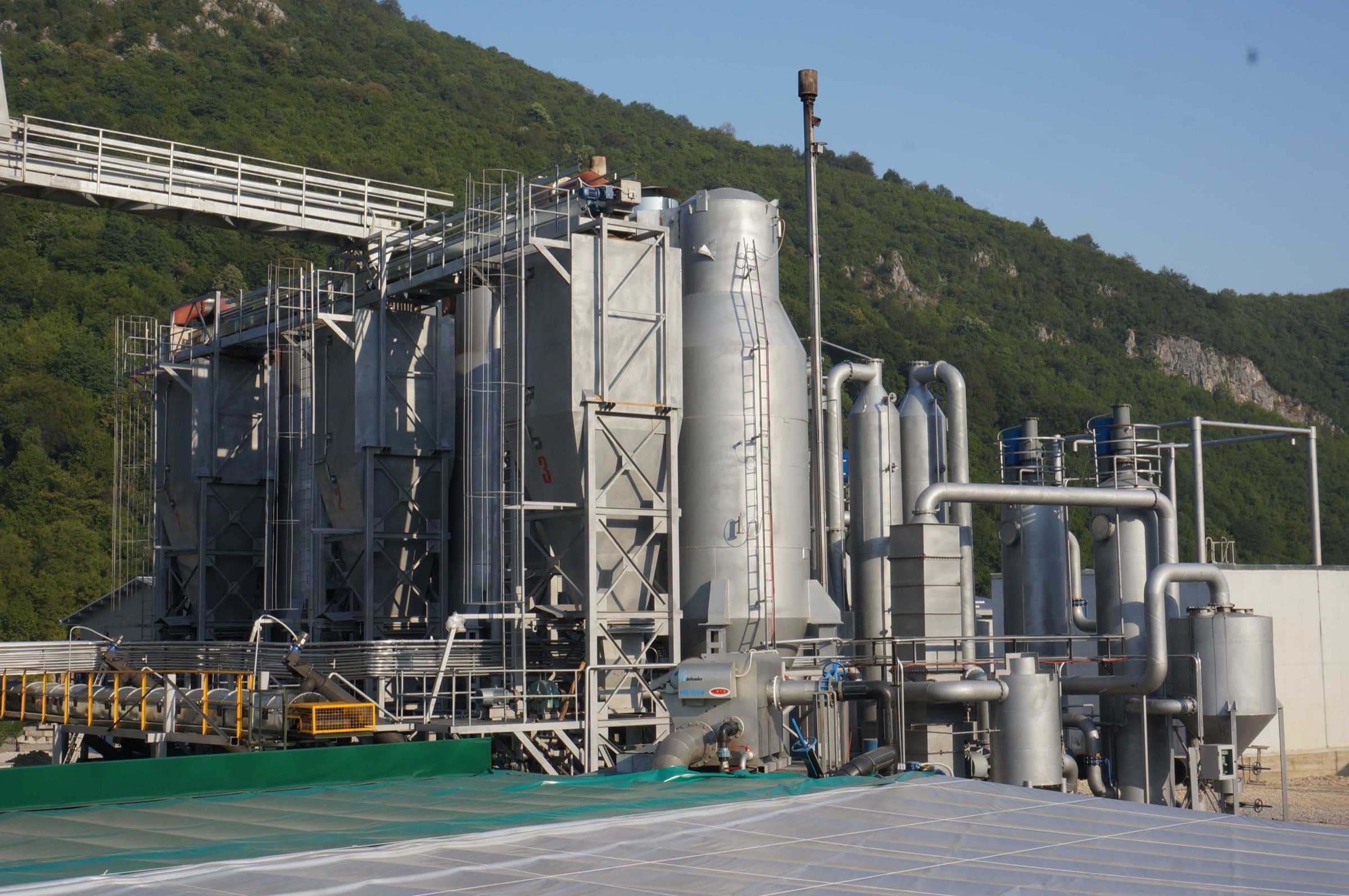
A biomass gasification plant produces a combustible gas from wood and residues. After cleaning, that gas can be fired in industrial burners in place of the fuel they use today:
| Current fuel | Typical equipment | What changes |
|---|---|---|
| LPG | Dryers, ovens, small boilers | Burner adjustment or replacement for the different gas composition |
| Fuel oil | Boilers, kilns | Burner change; fuel storage and heating no longer needed |
| Coal | Boilers, kilns | Burner and fuel handling change; ash handling reduced |
| Natural gas | All of the above | Synthetic natural gas upgraded to pipeline quality is a like-for-like substitute |
The kiln, dryer or boiler — and the process it serves — stays the same.
Recovered heat: the other half
If the site also needs electricity, an onsite plant can generate power and recover heat from its engines and gas stream. That recovered heat can raise steam or hot water for process use. For many mills and factories this is the lowest-cost renewable steam available, because it comes from the same fuel that is already generating the site's power.
Which sites suit renewable gas
The strongest candidates have:
- Large, steady heat demand running most hours of the year;
- Fossil fuel costs that are high or volatile — LPG and oil in particular;
- Biomass available locally, from their own processing or nearby;
- Decarbonisation pressure from customers, lenders or regulation;
- Space for a gas production plant near the heat load.
Lime, ceramics, food processing, wood products, agricultural processing and textiles are typical examples.
Renewable gas versus electrifying heat
Electrification is the right answer for some heat loads, and the two approaches are complementary rather than competing:
| Electrify (heat pumps, electric boilers, electric kilns) | Renewable gas from biomass | |
|---|---|---|
| Best at | Low-temperature heat; sites with cheap, abundant, reliable power | Medium- and high-temperature heat; sites with local biomass |
| Equipment change | Often replaces the heating equipment | Usually a burner change; process equipment stays |
| Grid impact | Can require a large increase in connection capacity | None; fuel is produced on site |
| Fuel security | Depends on the grid | Depends on local biomass supply contracts |
For a site with a constrained grid connection, electrifying several megawatts of heat can mean waiting years for network upgrades. Renewable gas avoids that entirely.
Transition without shutdown
Kilns and dryers cannot simply be switched off while a new fuel is commissioned. A staged approach keeps production running:
- Dual-fuel burners are installed during a planned maintenance window, able to fire both the existing fuel and renewable gas.
- Renewable gas is introduced progressively, starting with a share of the heat load.
- The existing fuel supply stays connected as backup while operators gain confidence.
- The share of renewable gas increases until it carries the base load, with the fossil fuel kept only for contingencies.
What an assessment covers
- Heat profile. Temperatures, volumes and hours of each heat use.
- Equipment. Burner types, turndown and combustion controls.
- Fuel. Type, volume, moisture and seasonality of available biomass.
- Integration. Where the gas plant sits, how gas is piped to the burners, and backup arrangements.
- Commercials. Price per unit of heat versus the current fuel, and the supply agreement structure.
How CNP delivers it
CNP builds, owns and operates plants that convert local biomass into renewable gas for heat and steam, or upgrade it to pipeline-quality synthetic natural gas. Customers buy the gas, heat or steam under a long-term agreement. See Renewable Gas and our explainer on biomass to synthetic natural gas.
Next step
Assess your site — tell us your heat demand and current fuel, and we will tell you whether renewable gas is a fit.