
Industries · Mining & remote industry
Reliable power beyond the grid.
Local power and process heat for remote and energy-intensive operations.
- 24/7
- Power where the grid does not reach
- Power + heat
- For processing, kilns and camps
- Hybrid
- With solar and batteries
- No capex
- With Energy-as-a-Service
01
02
03
04
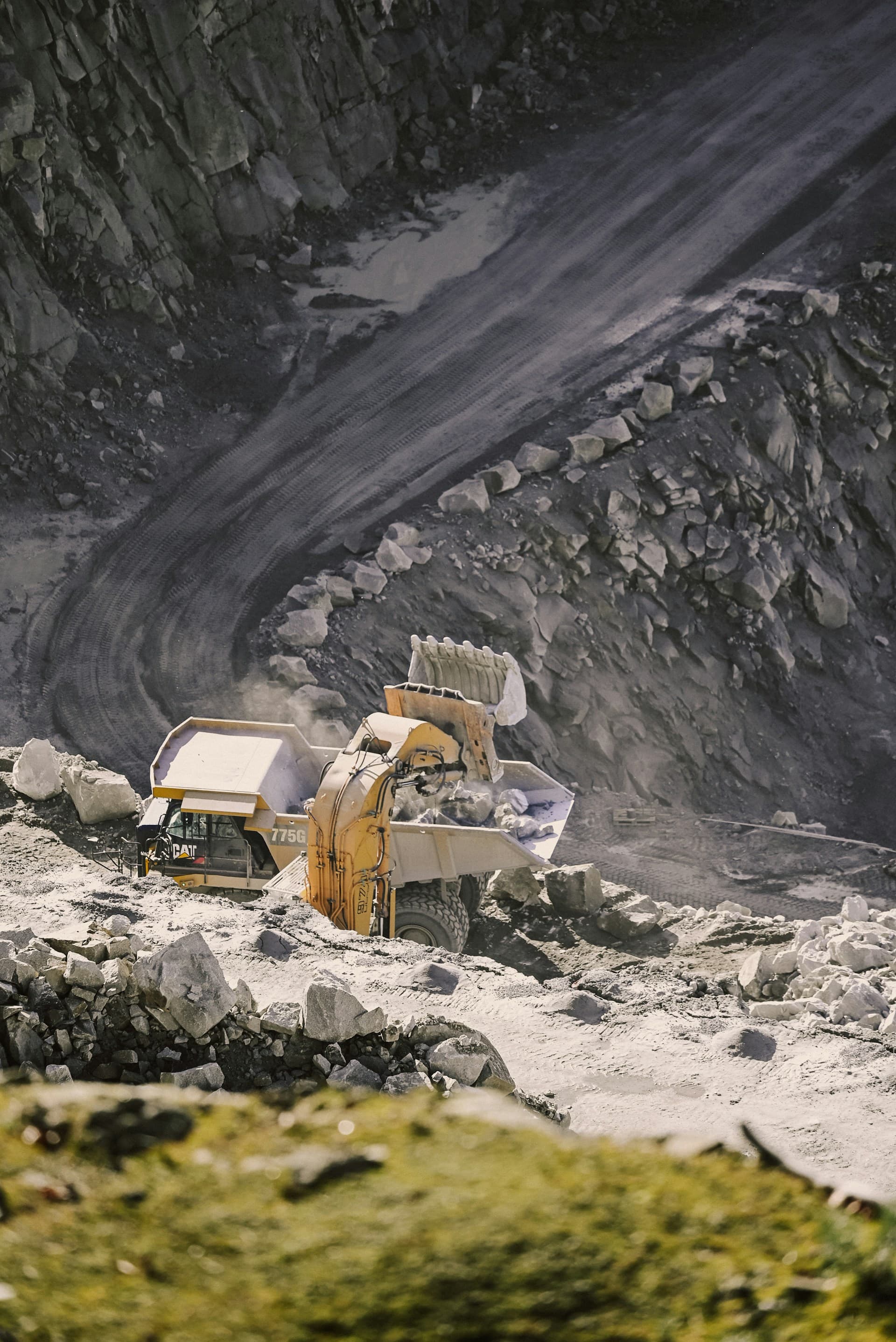
Every litre of diesel trucked to site is a cost, a risk and an emission. Local generation removes all three.
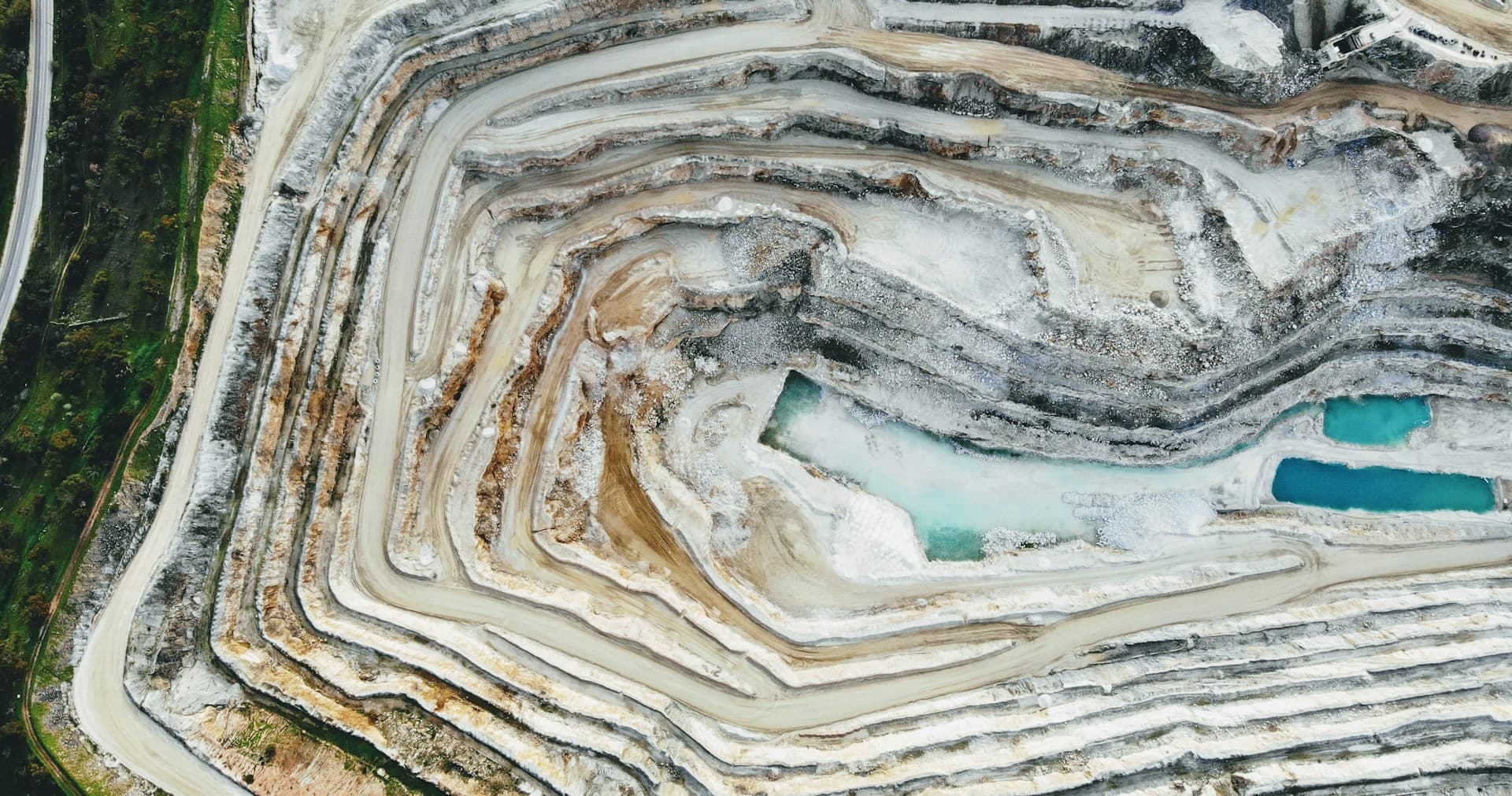
The energy problem
Remote sites pay the most for the least reliable power.
Diesel dependence
Generators and trucked fuel make power expensive and exposed to price and supply shocks.
Weak or no grid
Remote connections are constrained, unreliable or simply unavailable.
Heavy continuous loads
Crushing, processing, kilns and camps run around the clock.
.jpeg&w=3840&q=75&dpl=dpl_8omWQr2dmx9eNa5YGxR721ZE6K6N)
Why onsite generation
Generate where you operate.
A CNP plant produces power and process heat at the site, from local fuel where it is available, and runs as part of a resilient microgrid.
It can work alongside solar and batteries, and reduces how much fuel has to be trucked in.
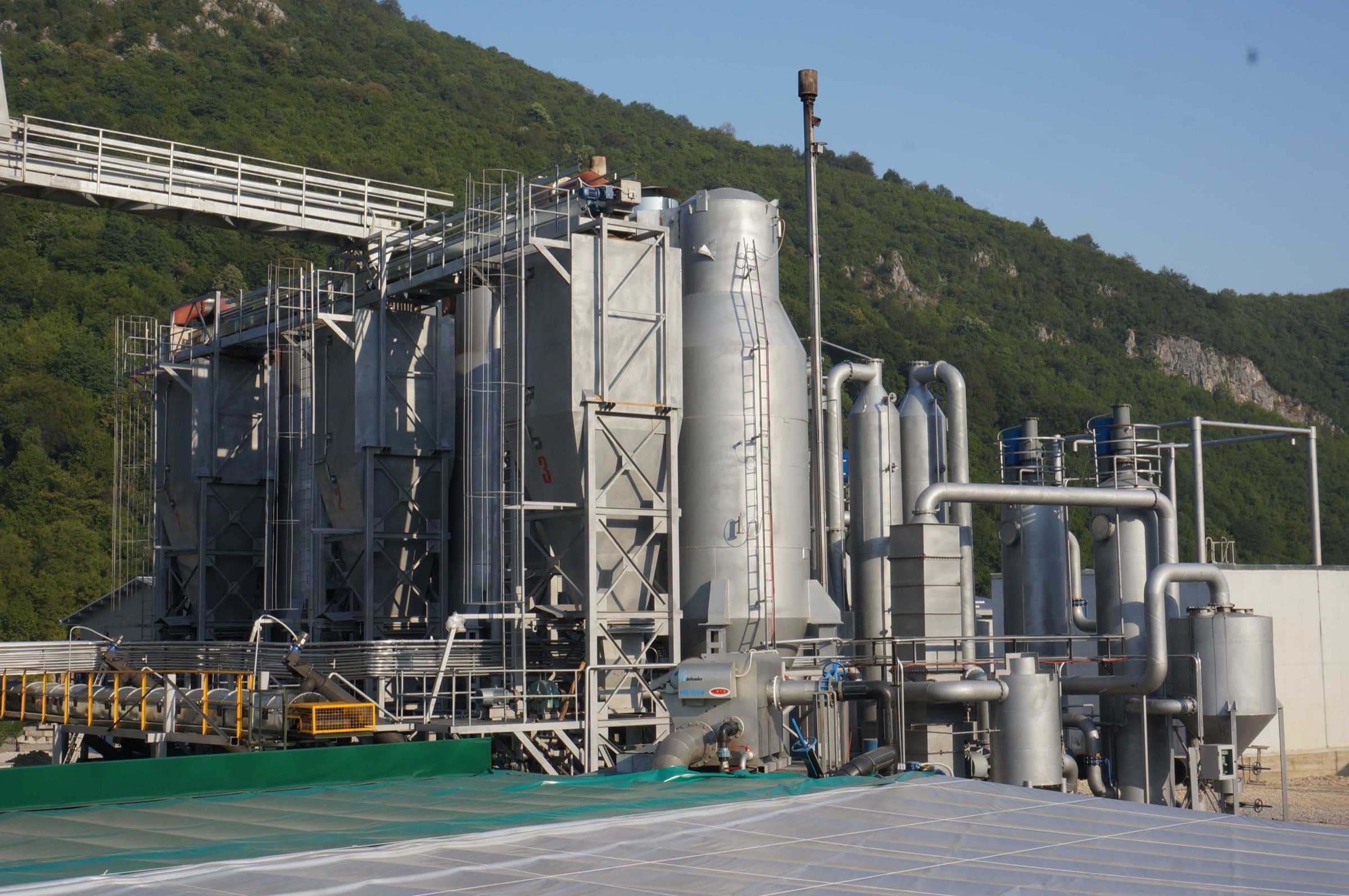
Onsite Power
Electricity and heat, behind the meter.
A CNP plant runs alongside your grid connection or as an off-grid microgrid. Recovered heat supplies steam or process heat.
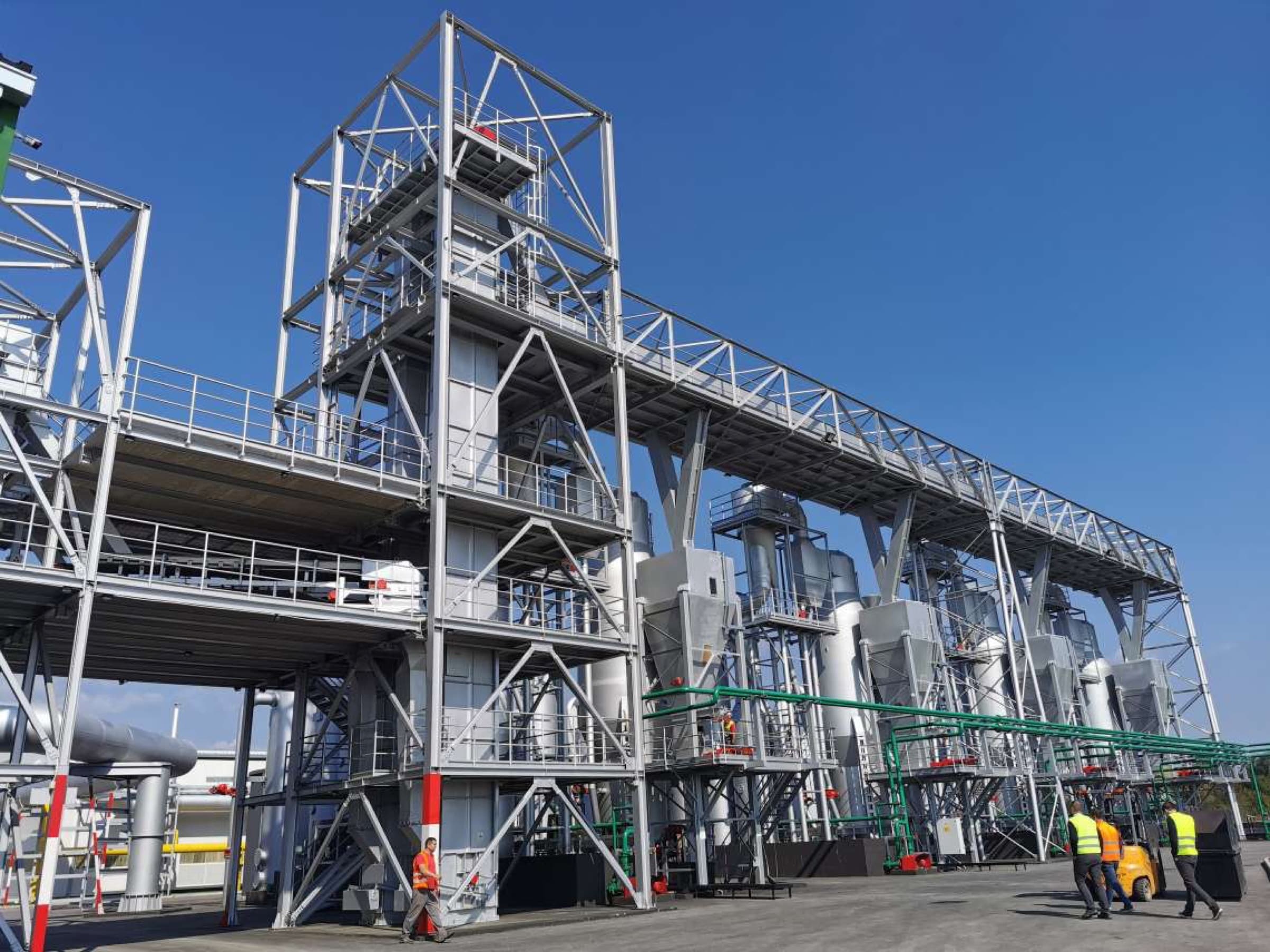
Renewable Gas
Renewable gas for heat and steam.
Biomass converted to renewable gas can fire kilns, boilers and dryers in place of LPG, oil or coal.
Commercial benefits
Why remote operations choose onsite power.
Diesel displacement
Replace trucked diesel with locally fuelled generation.
Resilient microgrid
Continuous supply designed around the site, not the nearest substation.
Power and heat
Recovered heat can serve kilns and process heat demand.
Predictable cost
Long-term energy pricing instead of fuel-price exposure.
Works with renewables
Integrates with solar and batteries for a lower-carbon hybrid system.
No capital outlay
Under Energy-as-a-Service CNP finances, builds, owns and operates the plant. Customer-owned and joint development are available for larger projects.
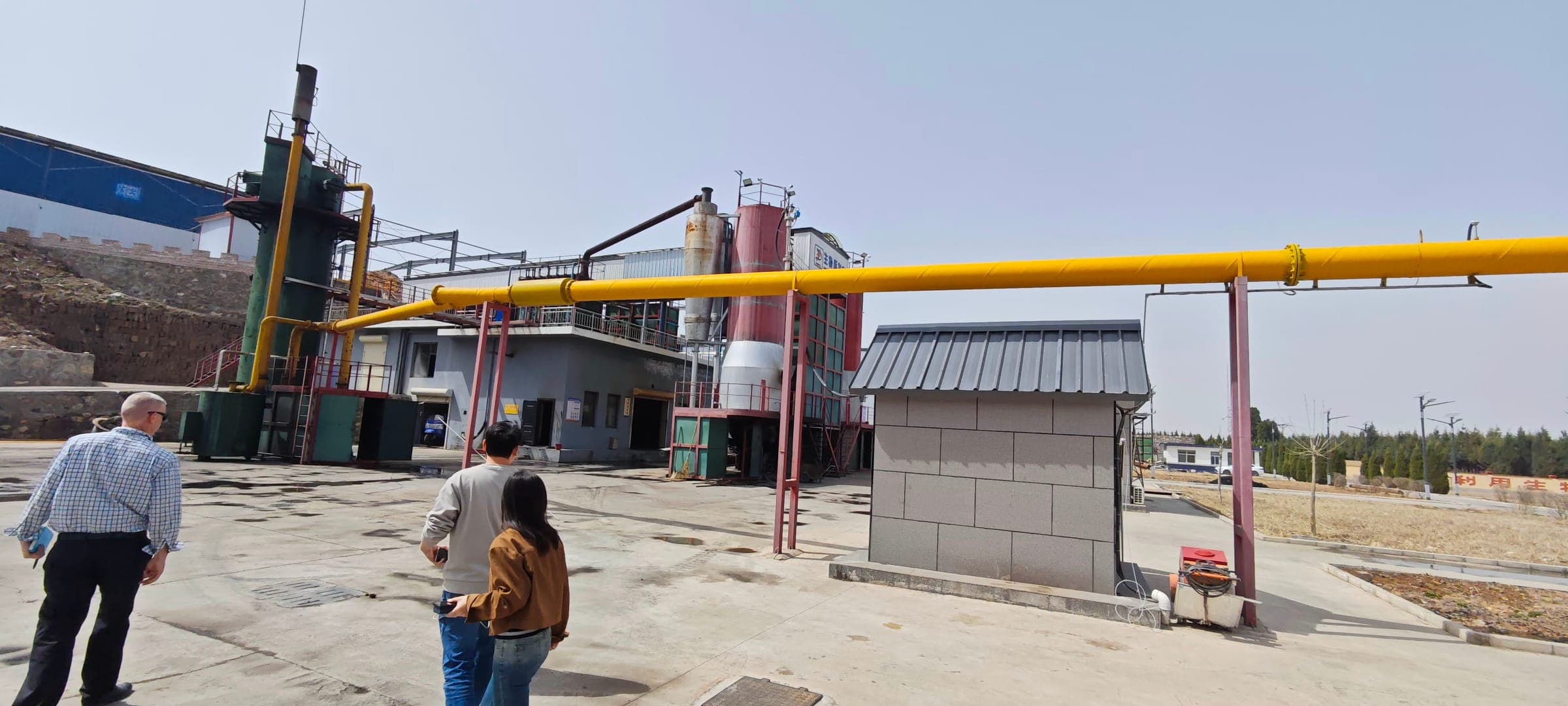
Typical system
A hybrid microgrid built around local fuel.
01
Local fuel
Biomass where available
02
CNP energy plant
Built, owned and operated by CNP
03
Microgrid
With solar and batteries where it fits
04
Your operation
Processing, kilns, camp
Typical arrangement
- Sized from a site assessment of your load and fuel
- Runs 24/7, alongside the grid or as a microgrid
- Long-term energy agreement with CNP operating the plant
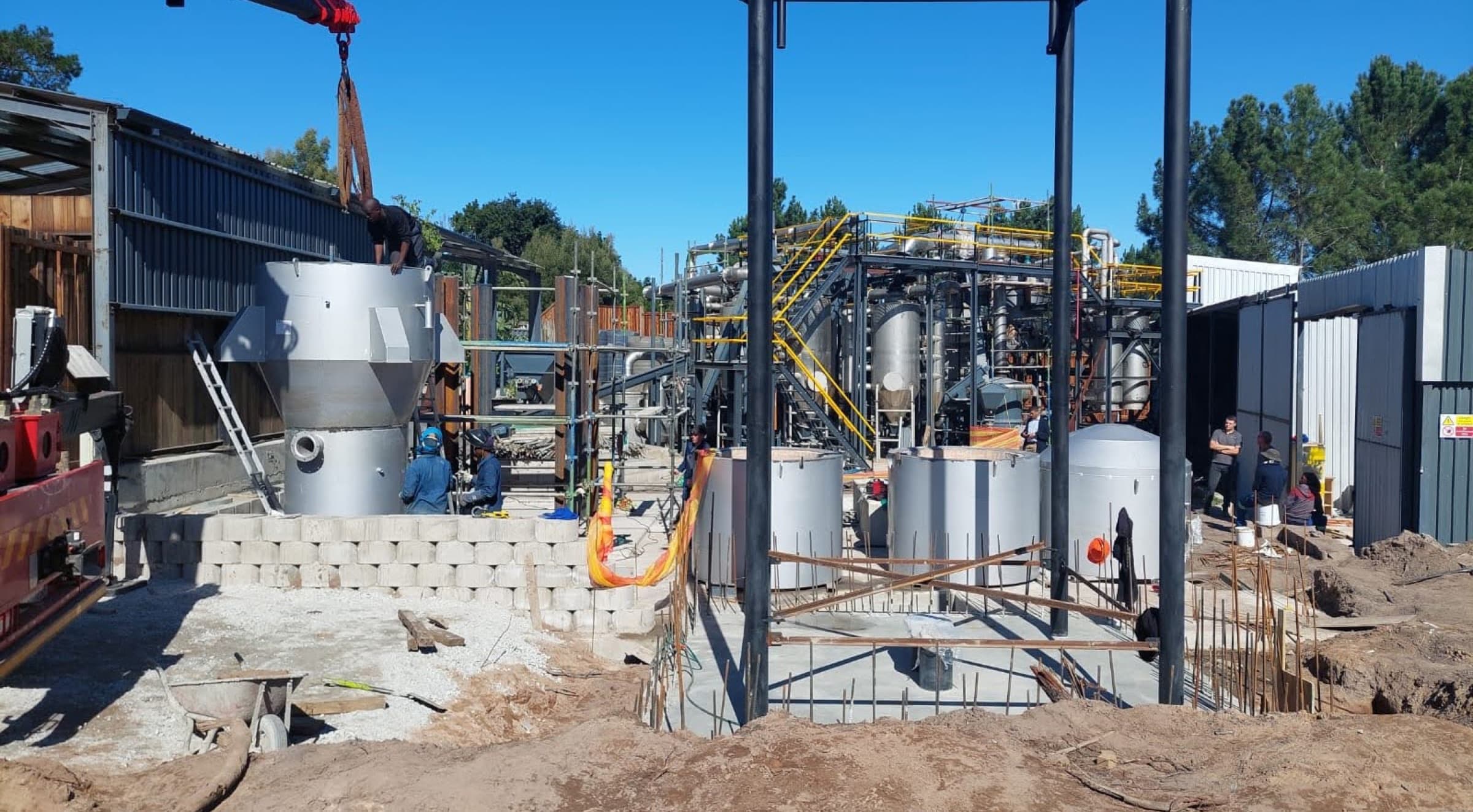
Case study · Malaysia · In development
Onsite power and process heat for a mine site.
- Electricity
- ~4 MW
- Process heat
- ~6 MW
- Status
- In development
The challenge
An energy-intensive mine site with large electrical and process-heat demand, seeking energy savings and supply security from the grid.
What CNP delivers
A behind-the-meter CNP plant supplying about 4 MW of electricity and 6 MW of process heat under a long-term energy agreement, fuelled by plantation wood and local biomass.
View the project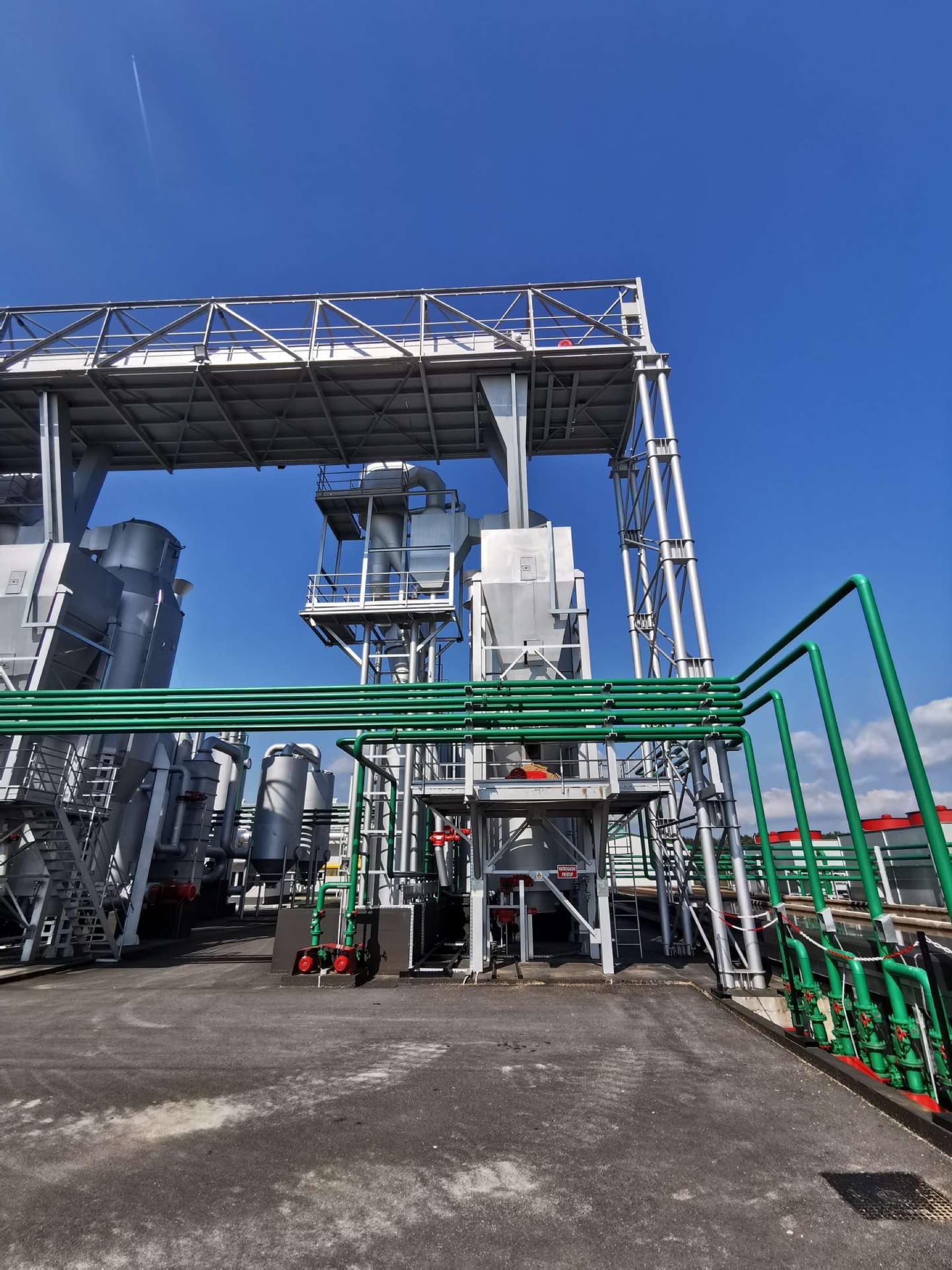
FAQ
Questions from remote operators.
Does biomass work at every site?
No. The fuel pathway depends on the resources available near your site, which we assess first.
Can it run with our existing diesel generators?
Yes. The plant can run alongside existing generation and progressively reduce diesel use.
Can it supply process heat?
Yes. Recovered heat can supply kilns, dryers and other process loads.
Who operates the plant?
Under Energy-as-a-Service, CNP operates and maintains it.
Insights
Further reading.
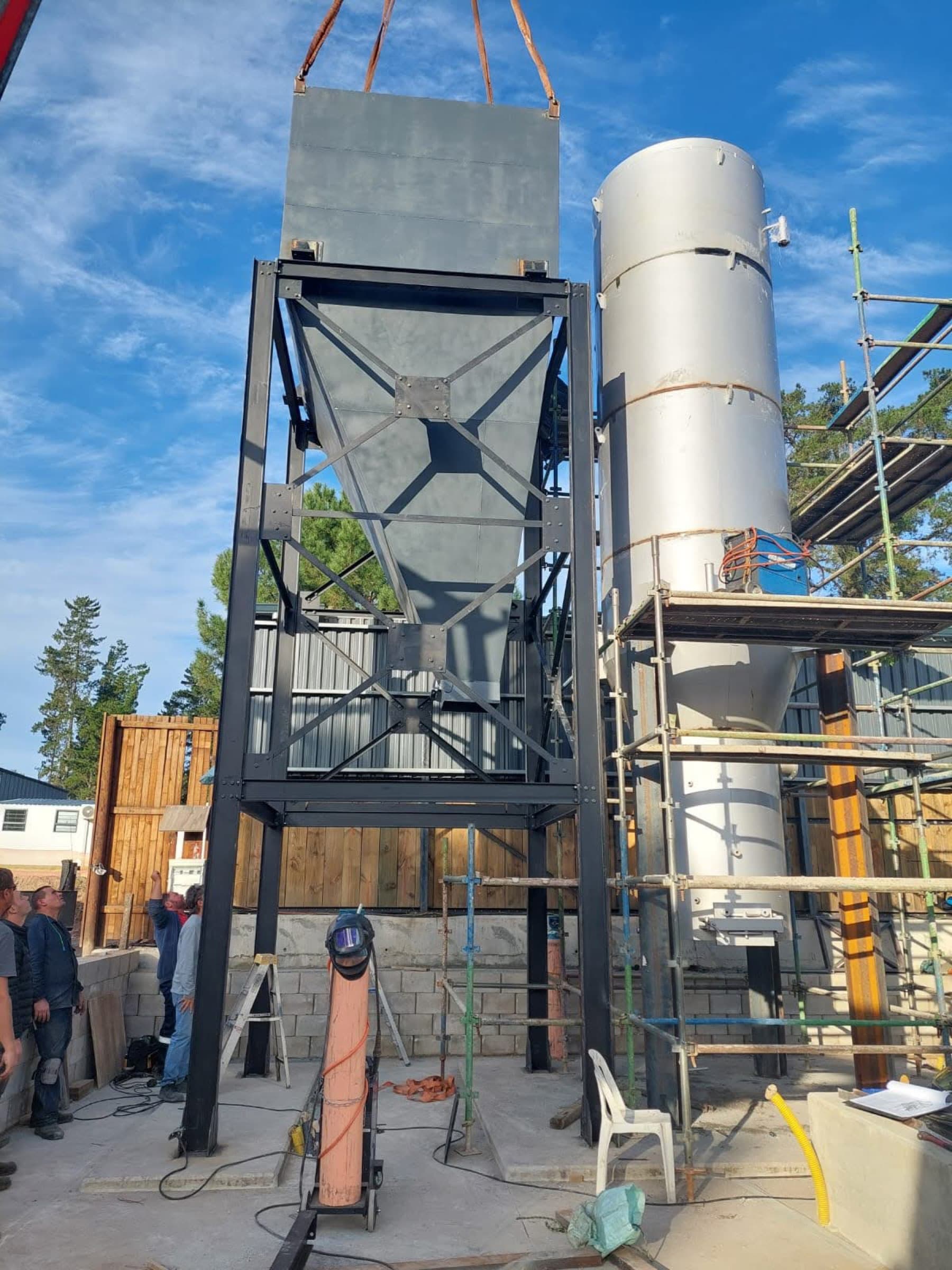
Industrial Energy · 1 September 2026
Modular Power Plants: Why Industry Is Moving from Central Plant to Distributed Blocks
Read
Industrial Energy · 25 August 2026
Behind-the-Meter Power: A Buyer's Guide for Industrial Sites
Read
Industrial Energy · 18 August 2026
Energy-as-a-Service vs Owning the Plant: How Industrial Energy Agreements Work
Read
See if onsite power works for your site.
Tell us your location, energy demand and fuel. We will tell you quickly whether a detailed assessment is worthwhile.