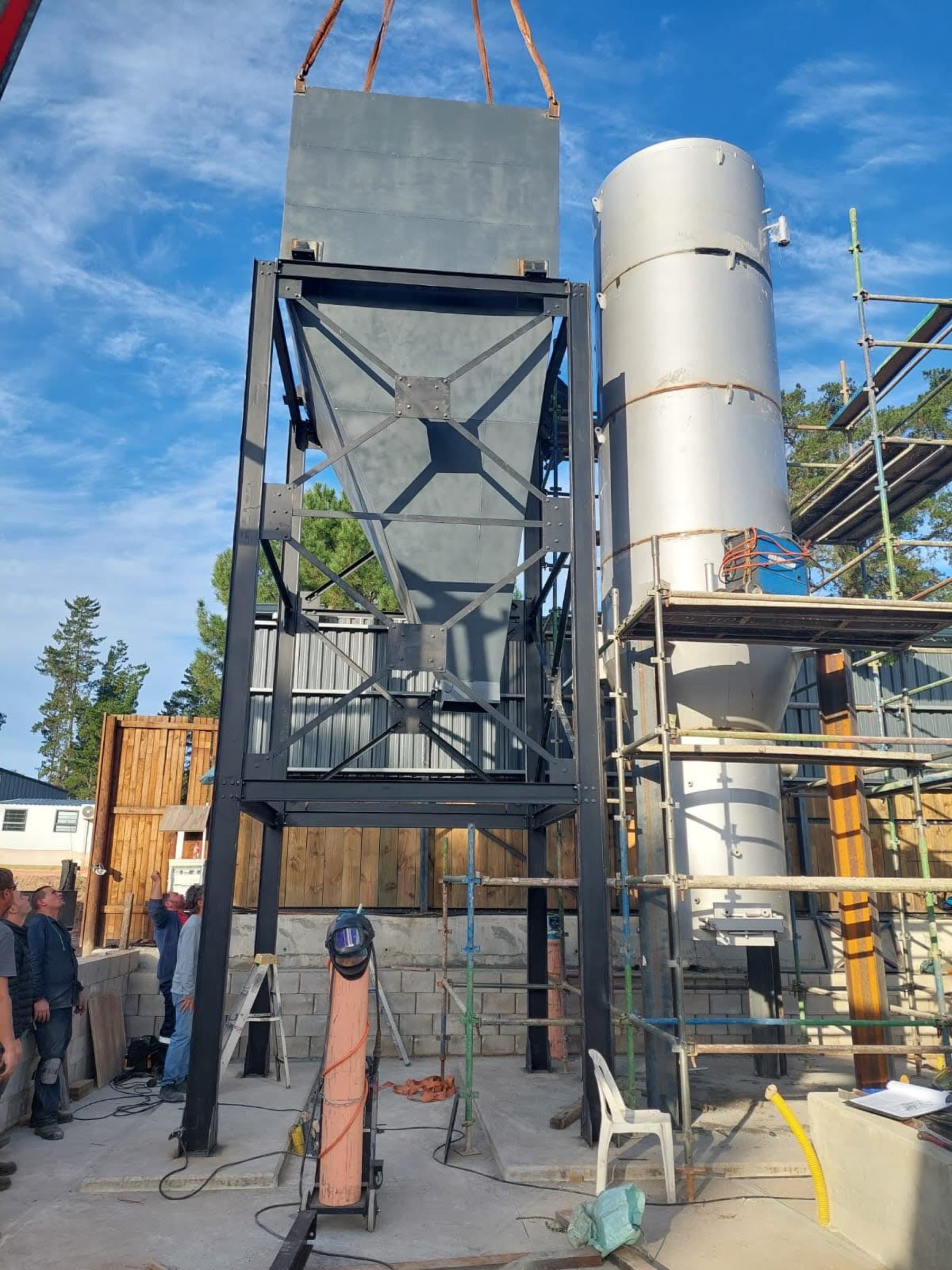
Short answer: biomass combustion is usually the more direct route when a site mainly needs heat or steam. Biomass gasification is often stronger when the site needs modular electricity, combined heat and power, a clean combustible gas, or the option to produce biochar. Neither is universally better. The correct choice depends on the load, fuel and required output.
Industrial buyers often ask whether biomass should be burned in a boiler or converted into syngas in a gasifier.
The honest answer is that the technology should follow the customer's energy problem. A heat-led factory with a large, stable steam demand is a different project from a mill that needs 2 MW of continuous electricity, hot air for drying and a route to carbon removal.
Starting with the equipment is the wrong order. Start with the site's power and heat profile, then select the conversion pathway.
- Main energy productWhat does the site need most?
- Heat or steamCombustion may fit
- Power plus heatCompare both pathways
- Gas, engines or fuelsGasification may fit
- Check the basicsFuel variability, emissions and scale
What is biomass combustion?
Combustion uses excess oxygen to burn biomass and release heat. That heat can be supplied directly to a process, transferred through thermal oil or hot water, or used in a boiler to make steam.
If electricity is required, steam can drive a turbine. This is a well-established arrangement, particularly at larger plants and sites that already operate a steam network.
The conversion chain is straightforward:
- Biomass is received, prepared and fed to a furnace or boiler.
- The fuel burns and produces hot flue gas.
- Heat is transferred to steam, water, air or thermal oil.
- Flue gas is treated before discharge.
- Ash is collected and managed.
Combustion is not automatically simple. Fuel variation, ash chemistry, particulate emissions, slagging and corrosion still need careful engineering.
What is biomass gasification?
Gasification heats biomass with a controlled amount of oxygen, air or steam. Instead of fully burning the fuel in the reactor, it converts much of the energy into a combustible gas containing carbon monoxide, hydrogen, methane and other compounds. Our guide to biomass gasification explained covers the process in more detail.
That gas can then be cleaned and used in several ways:
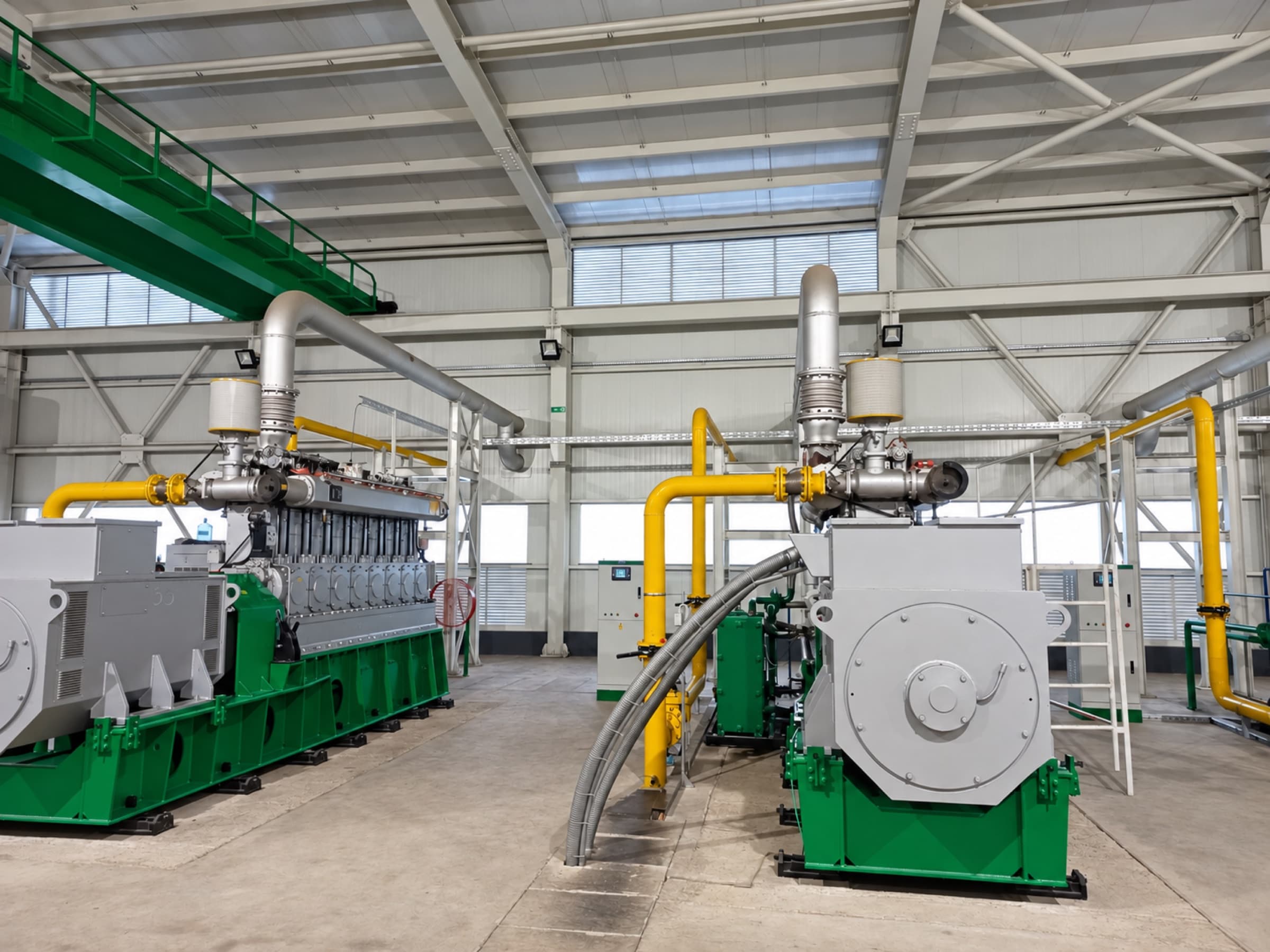
- burned in an engine to generate electricity;
- fired in a boiler, kiln or dryer;
- used in a combined heat and power system;
- upgraded through further processing into renewable methane, hydrogen or liquid fuels.
Some gasification configurations also recover a stable carbon-rich solid as biochar. Where the feedstock, process and end use qualify, that biochar can support verified carbon removal.
IEA Bioenergy describes combined heat and power as the most developed application of biomass and waste gasification, with more than 1,700 operational CHP facilities in Europe alone.
Side-by-side comparison
| Decision factor | Combustion | Gasification |
|---|---|---|
| Primary intermediate | Heat and flue gas | Combustible syngas |
| Best starting fit | Heat, steam and larger heat-led systems | Modular power, CHP, renewable gas and multi-output plants |
| Electricity route | Usually boiler and steam turbine | Usually cleaned gas and engine, or gas turbine at suitable scale |
| Fuel tolerance | Can accept broader fuel ranges in a correctly designed furnace | Usually needs tighter control of moisture, size and contaminants |
| Gas cleanup | Flue-gas treatment | Syngas cleanup before engines or upgrading |
| Solid output | Ash, sometimes with limited use | Ash and, in selected configurations, recoverable biochar |
| Product flexibility | Heat, steam and electricity | Power, heat, gas and potential downstream fuels |
The table shows tendencies, not hard rules. Fluidised-bed combustion can be highly flexible. Large gasifiers can serve major industrial loads. Performance depends on the specific design and fuel.
When combustion is likely to fit
Combustion deserves serious consideration when:
- the site is dominated by a steady steam or heat load;
- the fuel is variable and the proposed furnace is designed for that range;
- electricity is secondary or the project is large enough for an efficient steam cycle;
- the site already has boiler operators, steam infrastructure and water treatment;
- there is a clear plan for ash and emissions control.
Examples include food plants, pulp and paper mills, district heating and industrial facilities replacing coal or gas in a boiler.
For direct process heat, combustion can avoid the extra gas-cleaning stages required when syngas must run through a reciprocating engine.
When gasification is likely to fit
Gasification becomes attractive when:
- electricity is a major part of the value case;
- the plant needs to be modular and located behind the meter;
- recovered engine heat can be used for drying, steam or hot water;
- the site wants a combustible gas rather than only steam;
- the project values biochar and carbon removal;
- the long-term plan includes renewable methane, hydrogen, methanol or other syngas-derived products.
Gasification can separate the solid-fuel conversion step from the final energy use. Once the syngas is clean and stable, it can feed equipment that would not accept raw biomass.
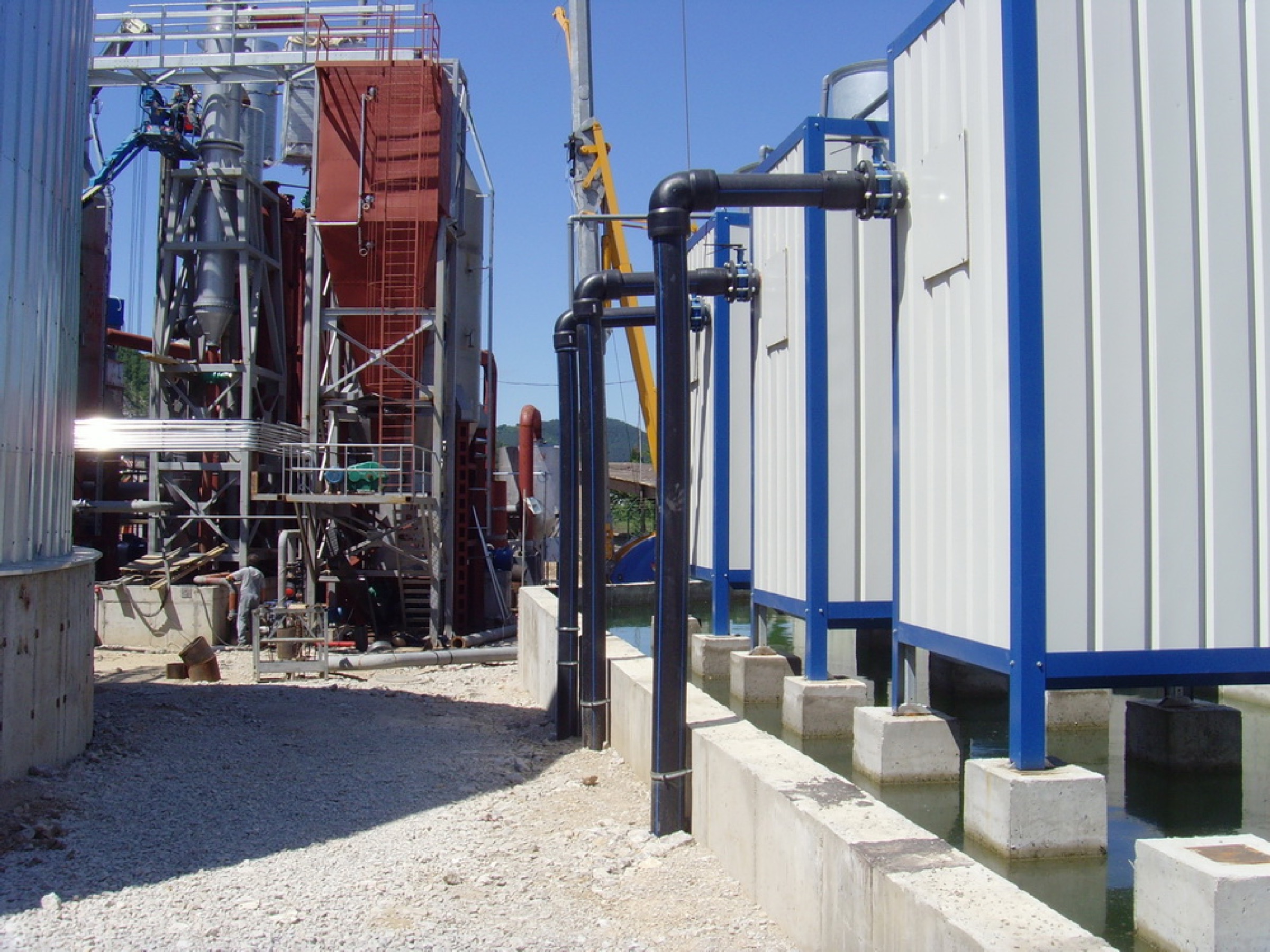
That flexibility comes with additional engineering. Tars, particulates, moisture and corrosive compounds must be controlled to the standard required by the downstream equipment.
The fuel can decide the answer
Technology comparisons made without a fuel analysis are mostly marketing.
A clean, dry wood chip behaves differently from rice husk, bagasse, empty fruit bunches, straw or mixed commercial wood waste. Important properties include:
- moisture and net calorific value;
- ash percentage and ash-melting behaviour;
- particle size and bulk density;
- chlorine, sulphur, nitrogen and alkali metals;
- soil, stones, metal and plastic contamination;
- seasonal variation.
A feedstock that looks cheap can become expensive after drying, screening, grinding, blending, storage and disposal of unwanted material.
The plant must therefore be designed around the real fuel range, not a single ideal laboratory sample.
Compare the whole energy system
A buyer should compare useful energy delivered to the factory, not only equipment efficiency.
Ask each supplier to show:
- Net electricity exported after parasitic loads.
- Useful heat delivered at the required temperature and pressure.
- Fuel consumption on an as-received basis.
- Minimum and maximum accepted fuel specifications.
- Availability assumptions and planned maintenance.
- Emissions-control equipment and consumables.
- Residue outputs and disposal requirements.
- Operator headcount, spare parts and major overhaul costs.
- Performance guarantees and test conditions.
A technology with a higher headline electrical efficiency may still lose if the site cannot use its heat, the fuel requires expensive preparation or the cleaning system creates high downtime.
A practical selection rule
Use the plant's main product as the first filter:
- Heat first: begin with combustion and direct gasification-for-heat options.
- Power plus heat: compare gas-engine CHP against boiler and steam-turbine CHP at the actual scale.
- Renewable gas or future fuels: begin with gasification because syngas is the required intermediate.
- Carbon removal: evaluate a configuration that intentionally recovers qualifying biochar, then confirm the carbon accounting and end use.
- Very variable waste: characterise the material before selecting anything.
CNP's core approach is to start with the customer's load and available local fuel, then design the system around both. We are not trying to force every site into the same machine. See how this works as onsite power for industrial and manufacturing sites.
If your factory has a continuous energy demand and access to biomass residues, send us the load and fuel data. We can screen the appropriate route before detailed engineering begins.