Industrial energy buyers used to have two choices: take the grid tariff, or build and run their own power station. Behind-the-meter generation delivered as a service sits between the two, and for many sites it is now the lower-cost and lower-risk option.
What behind-the-meter means for your bill
A grid tariff bundles several things: the energy itself, transmission and distribution network charges, capacity or demand charges, policy levies and the retailer's margin. Power generated behind the meter replaces the kilowatt-hours it supplies, so it avoids most of those components on that share of your consumption.
It also changes your exposure. Grid tariffs move with fuel prices, network investment programmes and regulatory resets. Malaysia's July 2025 tariff reset is a recent example — see our analysis. Power from an onsite plant is priced under a long-term agreement, with escalation set in the contract rather than by the network.
Which sites suit behind-the-meter generation
The strongest candidates share most of these characteristics:
- Long operating hours. Two- or three-shift or continuous operation, so the plant runs at high utilisation.
- Steady base load. A floor of demand that is always there, typically from 1 MW upwards.
- Heat demand. Steam, hot water or process heat for dryers, kilns, boilers or presses.
- Local fuel. Agricultural or wood residues on site or nearby.
- Grid pain. High or rising tariffs, frequent outages, voltage problems, or no capacity for expansion.
- Space. Room for a plant footprint and fuel storage near the load.
A site with three or more of these is worth assessing.
Heat changes the economics
A power plant converts only part of its fuel energy into electricity. The rest becomes heat. A plant at a remote power station rejects that heat to the atmosphere; a plant at your site can deliver it to your process.
For sites with steam or process heat demand — mills, dryers, kilns, food processing — recovered heat can displace boiler fuel such as diesel, LPG, heavy fuel oil or coal. That second revenue stream from the same fuel often makes the difference between a marginal project and a strong one.
Behind-the-meter versus an off-site renewable PPA
Many companies already buy renewable electricity through an off-site PPA — a contract with a solar or wind farm elsewhere on the grid. The two approaches solve different problems:
| Off-site renewable PPA | Behind-the-meter onsite plant | |
|---|---|---|
| Where the power is made | Elsewhere on the grid | At your site |
| Network charges | Still paid on all consumption | Avoided on the share supplied onsite |
| Reliability of your supply | Unchanged — still the grid | Improved; can run through grid outages |
| Firmness | Usually intermittent (solar, wind) | Continuous, 24/7 |
| Heat | Not supplied | Recovered heat available |
| Grid capacity needed | Unchanged | Reduced; can enable expansion without upgrades |
An off-site PPA mainly changes the carbon attribute of your electricity. A behind-the-meter plant changes its cost, its reliability and where it comes from.
Common concerns, answered
"We don't want to run a power station." Under Energy-as-a-Service you don't: the supplier operates and maintains the plant.
"What if the plant fails?" The grid connection remains as backup, and the agreement sets availability commitments with remedies.
"What if our production changes?" Agreements can include flexibility in minimum volumes, and modular plants can be resized.
"Will it disrupt the site during construction?" Most of the plant is built off site; the tie-in to your electrical system is planned for a scheduled shutdown.
The questions to ask a supplier
- What is the price per kWh, and how does it escalate? Compare against a realistic forecast of your grid tariff, not today's price.
- What availability is committed? And what happens if the plant under-delivers?
- Who is responsible for fuel? Supply, quality, storage and price risk should be clearly allocated.
- What happens to heat? Is it included, priced separately, or wasted?
- How does the plant interact with the grid? Parallel operation, backup, islanding and export.
- Who operates and maintains it? Local staff, remote monitoring, spare parts.
- What happens at the end of the term? Extension, transfer of ownership or removal.
The commercial structures
| Energy-as-a-Service | Customer-owned | Joint development | |
|---|---|---|---|
| Capital from you | None | Full | Shared |
| Who owns the plant | Supplier | You | Joint venture |
| Who operates | Supplier | Supplier or you | Agreed per project |
| What you pay for | Energy delivered | The plant, plus O&M | Your share |
Most industrial customers choose Energy-as-a-Service, because it keeps capital in the core business and puts performance risk with the party that runs the plant. We compare the models in detail in Energy-as-a-Service vs owning the plant.
How CNP delivers it
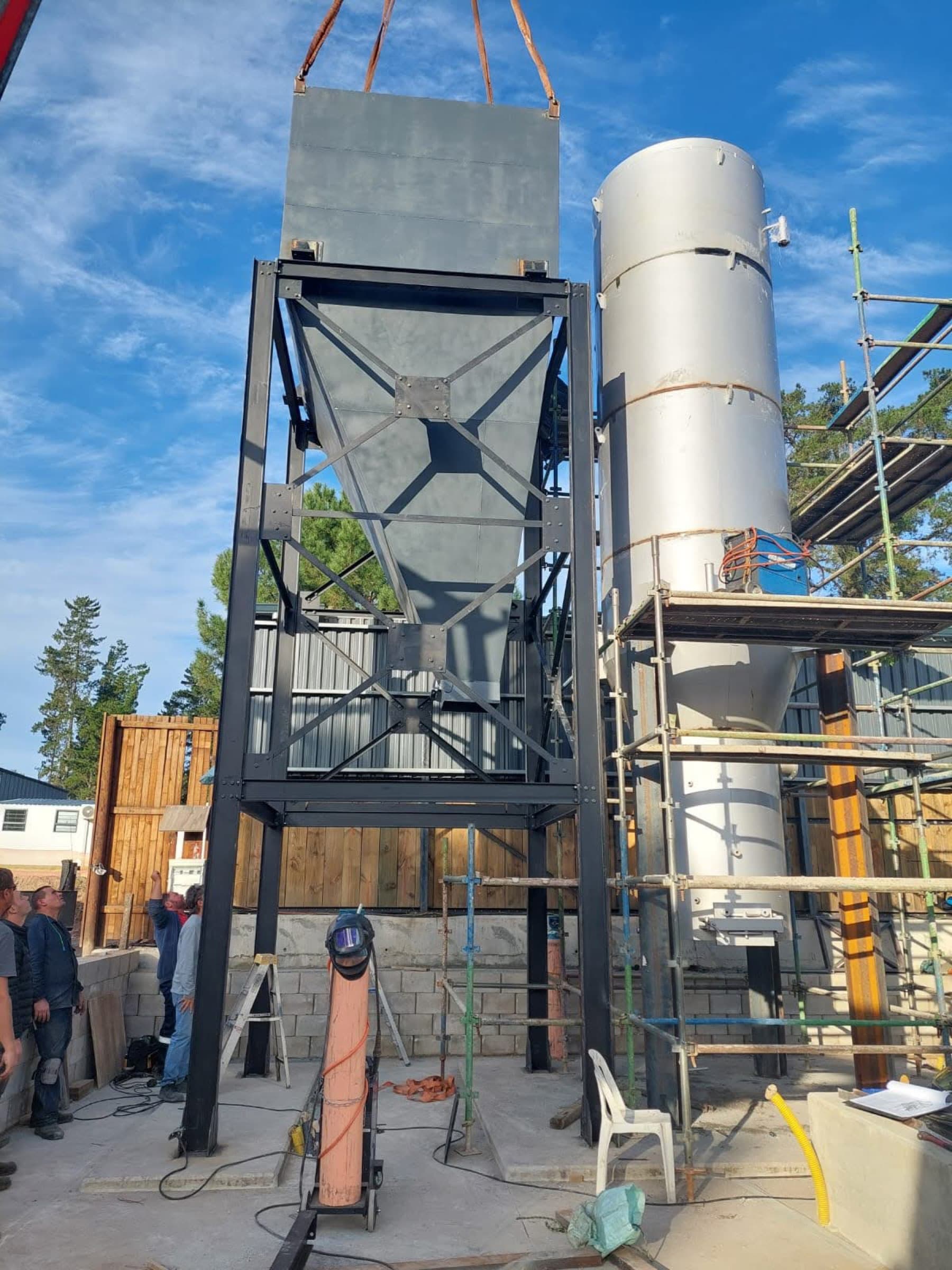
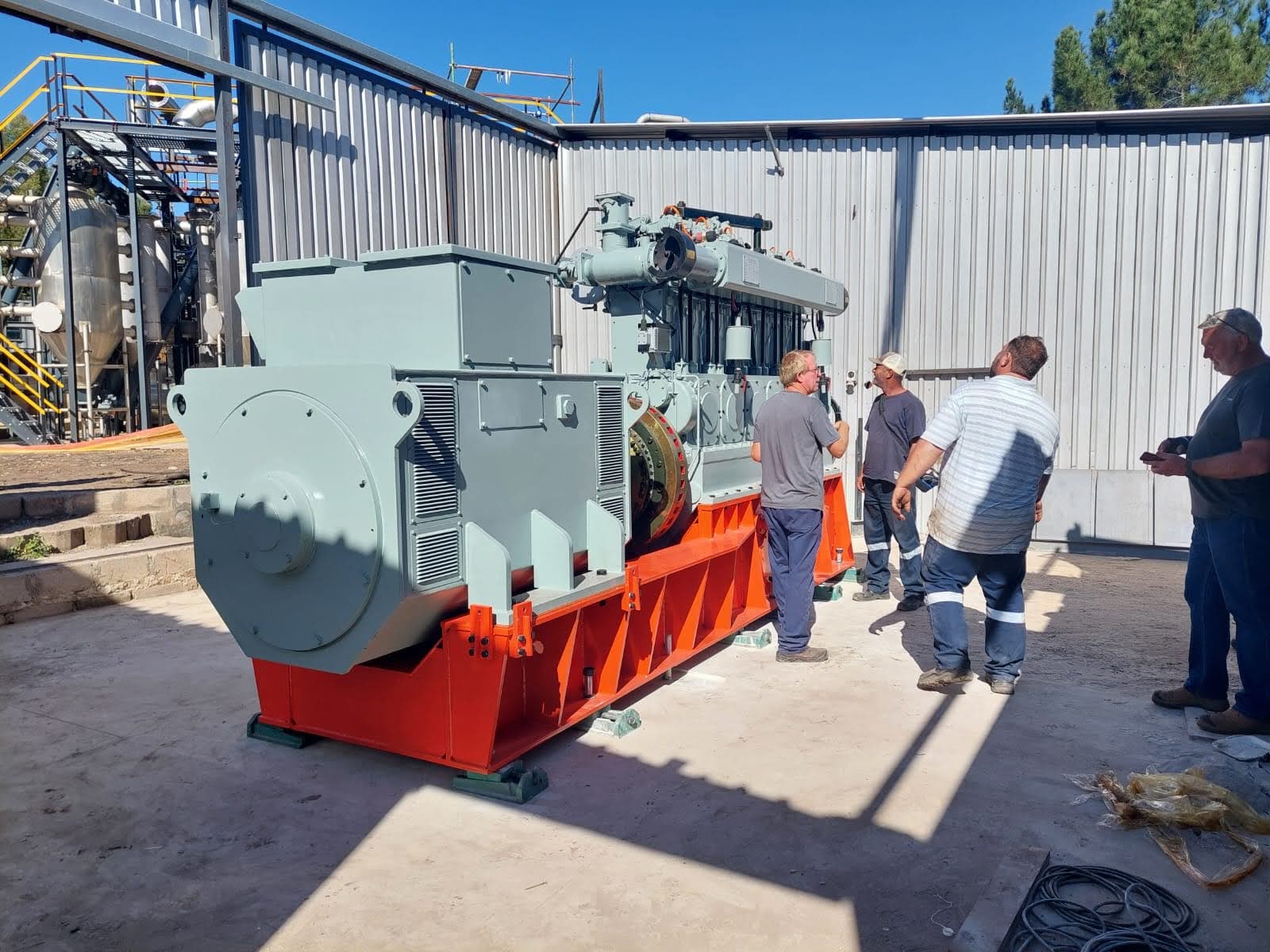
CNP develops, finances, builds, owns and operates onsite energy plants that run on local biomass and supply continuous power and heat. Plants are integrated behind the meter, in parallel with the grid or as an off-grid microgrid.
Next step
Assess your site. Share your load profile, heat demand and fuel availability and we will tell you whether behind-the-meter generation makes sense.