Malaysia's July 2025 Tariff Shock: Why Industrial Power Buyers Are Locked Into 14% Rate Increases—And How On-Site Generation Breaks Free
The RM 2-4 Million Question Every Malaysian Industrial Facility Must Answer
Last Updated: August 2025 | Reading Time: 3 minutes
Malaysia's July 2025 electricity tariff restructuring represents the most significant industrial power pricing shift in over a decade. For energy-intensive operations like palm oil mills, plywood manufacturing, and rice processing facilities, the financial impact ranges from RM 2-4 million in additional annual electricity costs.
The RP4 Tariff Structure: Understanding the 14.2% Base Increase
On July 1, 2025, Tenaga Nasional Berhad (TNB) implemented Regulatory Period 4 (RP4), increasing the base tariff from RM 0.3995/kWh to RM 0.4562/kWh—a 14.2% jump. For industrial consumers under Tariff E, the effective rate rose from RM 0.568/kWh to an estimated RM 0.65/kWh or higher.
The restructured tariff introduces five billing components:
- Base Energy Charge - Foundation rate per kWh
- Capacity Charge - Based on maximum demand during peak periods
- Automatic Fuel Adjustment (AFA) - Monthly variable surcharge
- Transmission Charge - Network infrastructure costs
- Service Charge - Administrative and metering costs
The new Automatic Fuel Adjustment mechanism updates monthly based on fossil fuel costs, creating unprecedented price volatility for operations requiring predictable energy budgets.
Monthly Volatility and Peak Demand Penalties
Malaysia's energy mix consists of 47% coal and 34% gas-fired generation. Since Malaysia imports approximately 90% of its coal, international commodity price swings translate directly to industrial electricity bills within 30-60 days.
A mid-sized palm oil mill processing 60 tonnes FFB/hour now faces:
- Base cost increase: RM 3.2M → RM 3.65M (+RM 450,000)
- Peak demand penalties: +RM 180,000-280,000 annually
- AFA volatility exposure: RM 120,000-350,000 swing range
- Total cost range: RM 3.95M - RM 4.28M (23-34% increase)
Peak demand charges are especially punitive for facilities with high instantaneous loads—sterilizers in palm oil mills, kilns in plywood manufacturing, grain dryers in rice processing.
The On-Site Generation Alternative
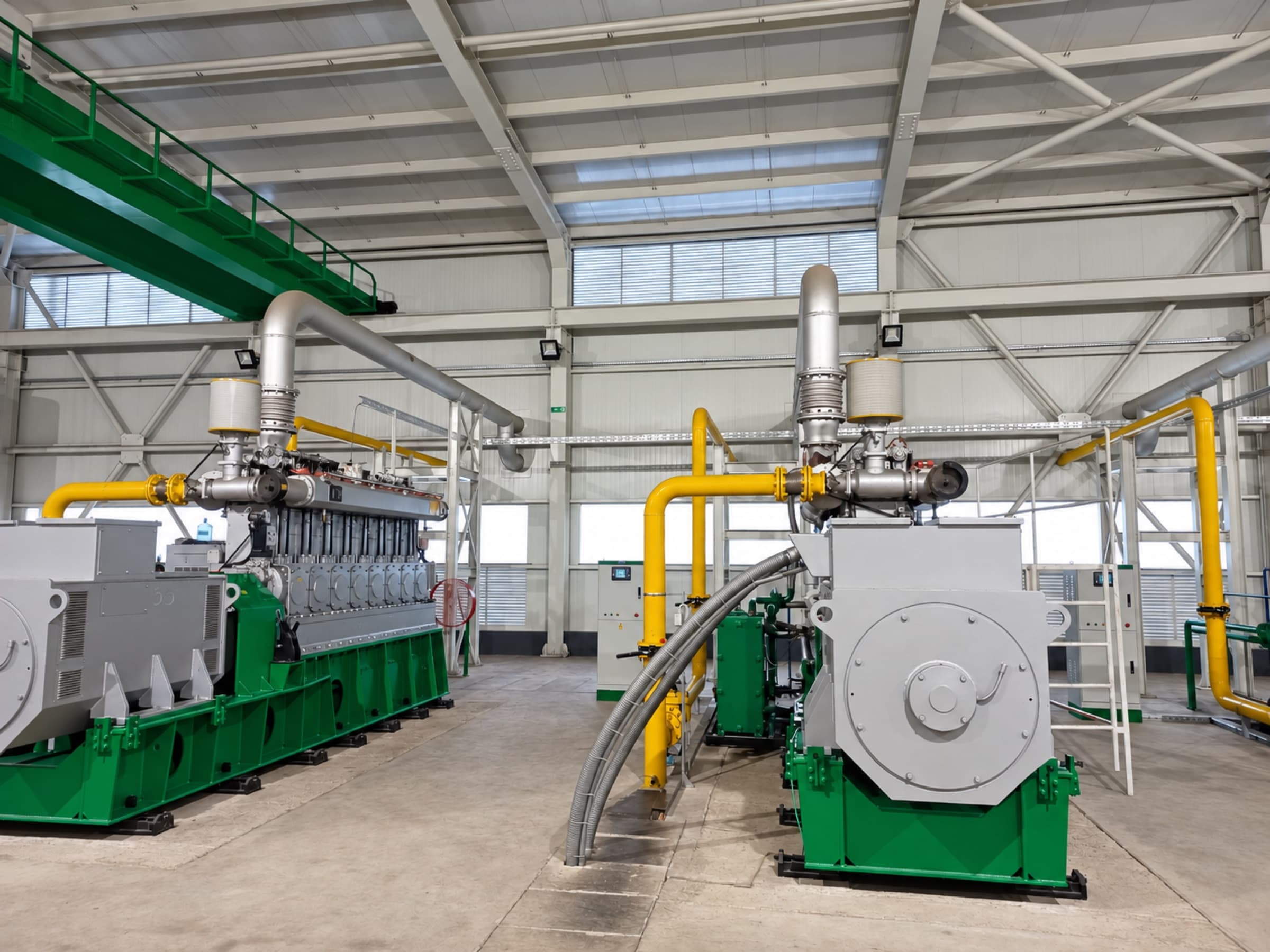
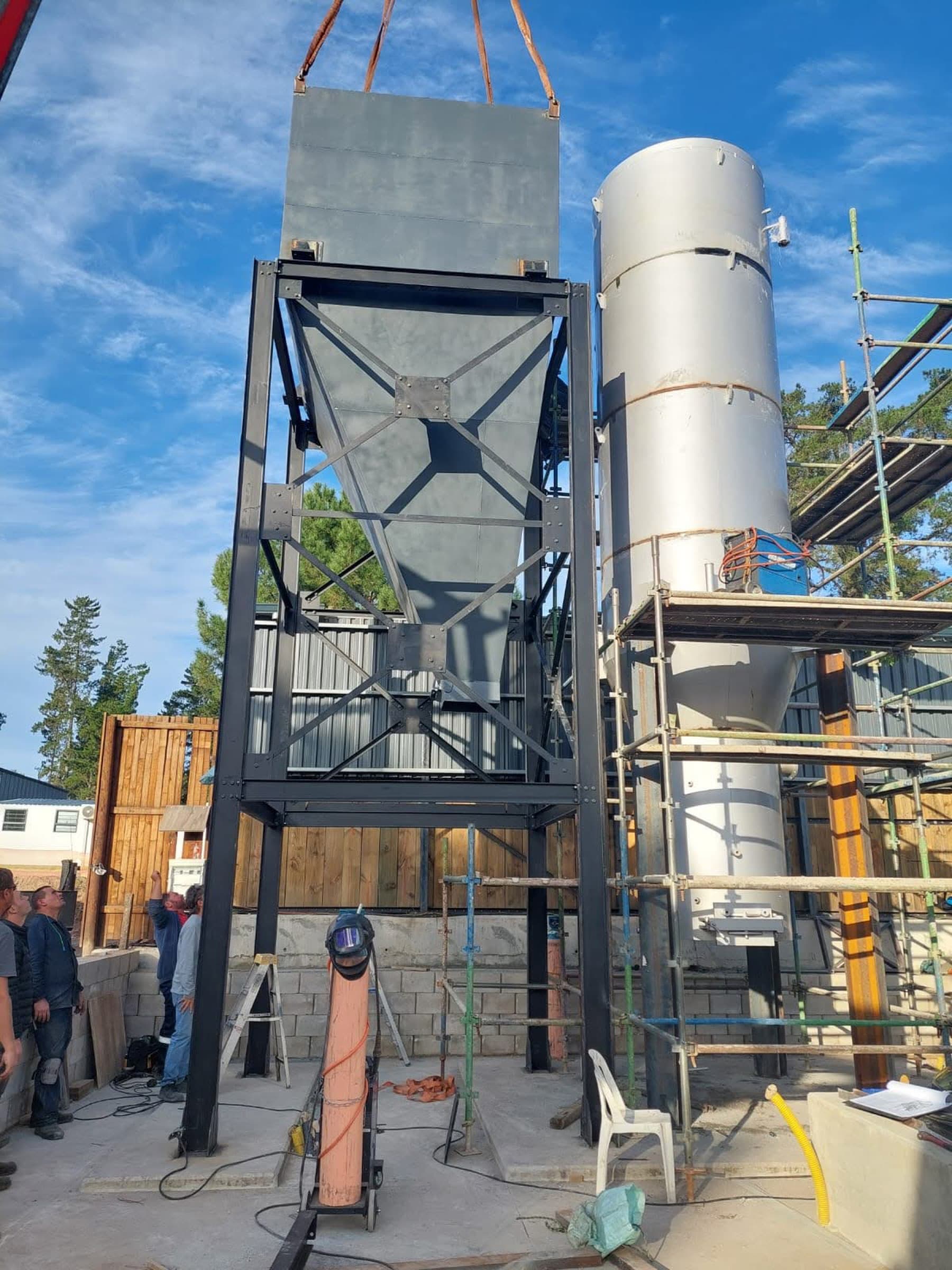
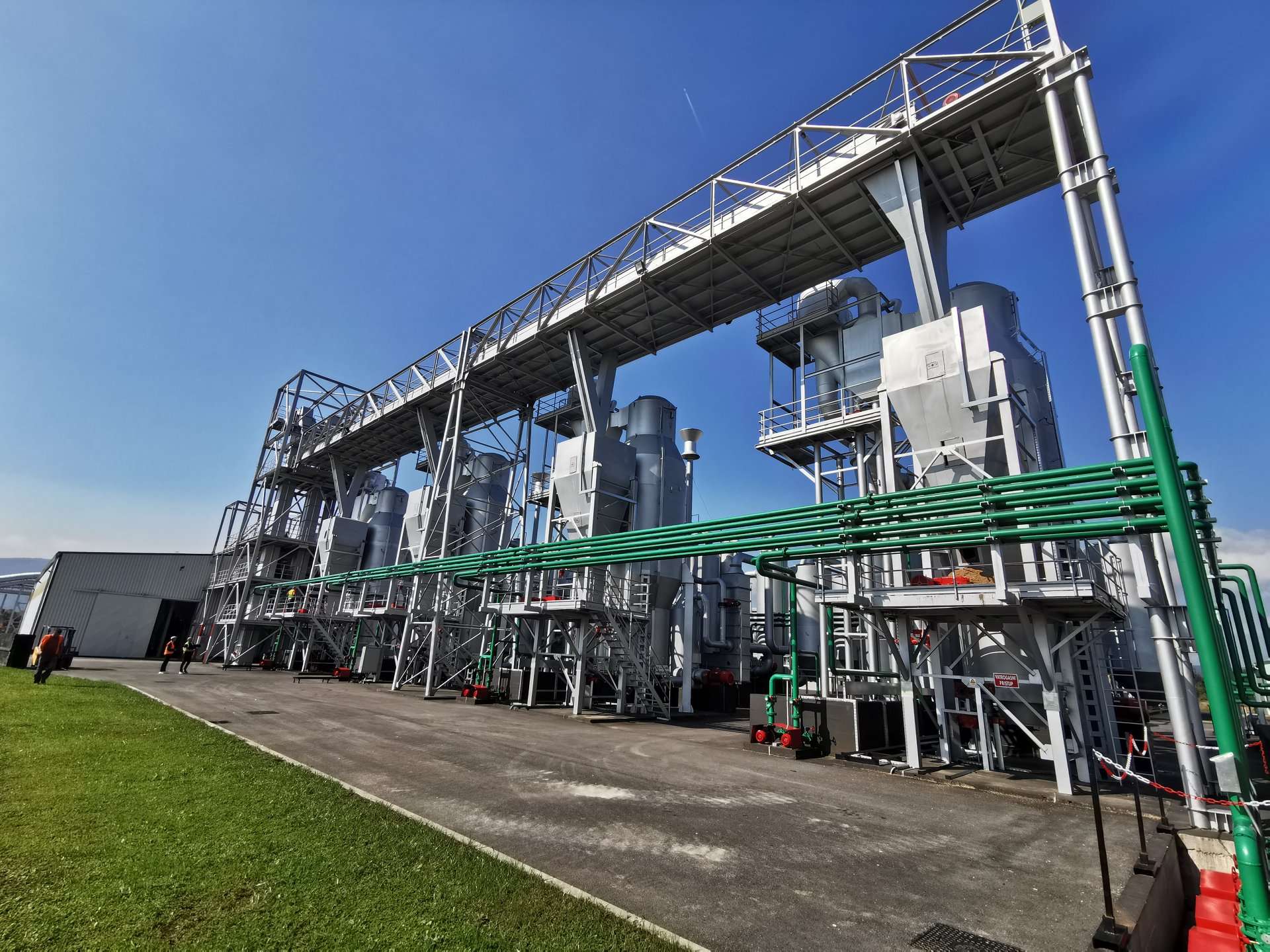
On-site Carbon Negative Power Plants convert agricultural and forestry waste into 24/7 electricity while producing biochar and permanent carbon removal credits.
Locked-In Energy Costs: On-site generation delivers electricity at RM 0.40-0.45/kWh (USD $0.10-0.11/kWh) with no exposure to fuel price volatility, AFA surcharges, or peak demand penalties. This rate remains stable for 20-25 years.
Grid Independence: A 2 MW plant operating at 90% capacity factor generates 15.8 million kWh annually—enough to power most mid-sized facilities with surplus for grid export.
Triple Revenue Model: Beyond Electricity Cost Avoidance
Biochar Sales: High-temperature pyrolysis produces biochar (25-35% of input biomass by weight). Malaysian markets value biochar at RM 1,500-2,500/tonne (USD $330-550/tonne). A 2 MW plant processing 12,000 tonnes/year generates 3,000-4,200 tonnes biochar annually—RM 4.5-10.5 million in potential revenue.
Carbon Credit Revenue: Biochar qualifies for permanent carbon removal credits under Puro.earth and EBC standards. At EUR 80-150/tonne CO₂ (RM 380-710/tonne CO₂), annual carbon credit revenue ranges from RM 2.85-8.9 million.
Complete Economic Model:
- Grid cost avoidance: RM 3.2-4.8M/year
- Biochar revenue: RM 4.5-10.5M/year
- Carbon credit revenue: RM 2.85-8.9M/year
- Total annual value: RM 10.55-24.2M
Against capital costs of RM 12-18 million for a 2 MW system, payback periods range from 9-20 months.
Technical Requirements
Minimum requirements for viable on-site generation:
- Biomass availability: 8,000-10,000 tonnes/year
- Feedstock quality: Moisture content <50%, minimal contamination
- Electrical load: 1-3 MW base demand
- Site infrastructure: 1,200-1,800 m² for 2 MW system
Palm oil mills, plywood manufacturers, rice processors, and similar agro-industrial facilities typically exceed these thresholds.
Policy Support: Malaysia's Energy Transition Framework
The RP4 tariff restructuring aligns with Malaysia's target of 40% renewable energy by 2035. Industrial facilities investing in on-site generation qualify for:
- Net Energy Metering (NEM): Export surplus electricity at offset rates
- Green Investment Tax Allowance (GITA): Capital allowance for renewable equipment
- Accelerated Depreciation: Enhanced tax treatment
Conclusion: The Competitive Advantage Window
Facilities beginning project development in Q1 2026 achieve commercial operation by Q3 2027—capturing RP4 savings and positioning for Regulatory Period 5. Those delaying until late 2026 accept RM 8-15 million in avoidable electricity costs.
The facilities making this decision in early 2026 will generate electricity at RM 0.40/kWh while competitors pay TNB RM 0.65-0.70/kWh—a RM 0.25-0.30/kWh advantage compounding to RM 3.75-4.5 million annually for a typical mid-sized operation.
Malaysia's July 2025 tariff shock isn't a problem to be managed—it's an opportunity to capture energy independence and transform biomass waste streams into premium revenue assets.
References
- Energy Commission Malaysia. (2024). Regulatory Period 4 (RP4) Implementation Framework 2025-2027. Suruhanjaya Tenaga Malaysia.
- Tenaga Nasional Berhad. (2025). Industrial Tariff Schedule - Regulatory Period 4. TNB Corporate Communications.
- Malaysia Energy Commission. (2025). Electricity Tariff Restructuring: RP4 Guidelines for Industrial Consumers. Retrieved from https://www.st.gov.my
- Enerdata. (2024). Malaysia Energy Market Report 2024. Global Energy Market Research.
- BloombergNEF. (2025). Malaysia: A Techno-Economic Analysis of Power Generation. Bloomberg Finance L.P.
- Malaysian Palm Oil Board. (2024). Biomass Availability and Utilization in Malaysian Palm Oil Industry. MPOB Technical Report.
- Ministry of Energy and Natural Resources. (2023). National Energy Transition Roadmap (NETR) 2023-2050. Government of Malaysia.
- Global Petrol Prices. (2025). Malaysia Electricity Prices - Industrial Sector Q4 2025. Retrieved from https://www.globalpetrolprices.com/Malaysia/electricity_prices/