From Roads in Australia to Agriculture in Malaysia
As industries around the world search for practical ways to reduce emissions, improve efficiency, and create value from waste streams, biochar is emerging as one of the most versatile carbon negative materials available today.
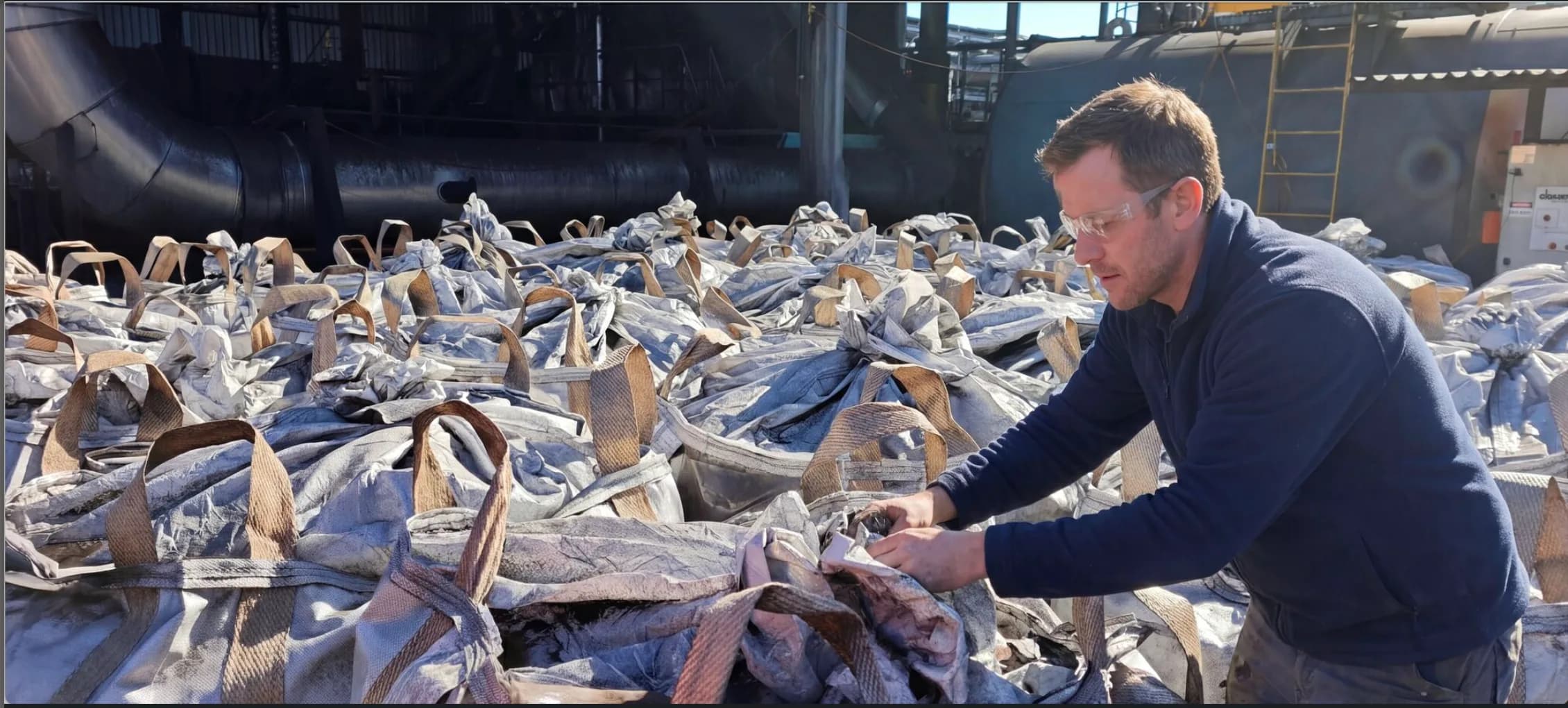
At Carbon Negative Power, our systems convert biomass residues into renewable electricity and high-value industrial biochar, creating immediate commercial benefits while permanently locking away carbon.
Unlike many concepts still in development, our biochar is already being used in real-world projects today.
What is Industrial Biochar?
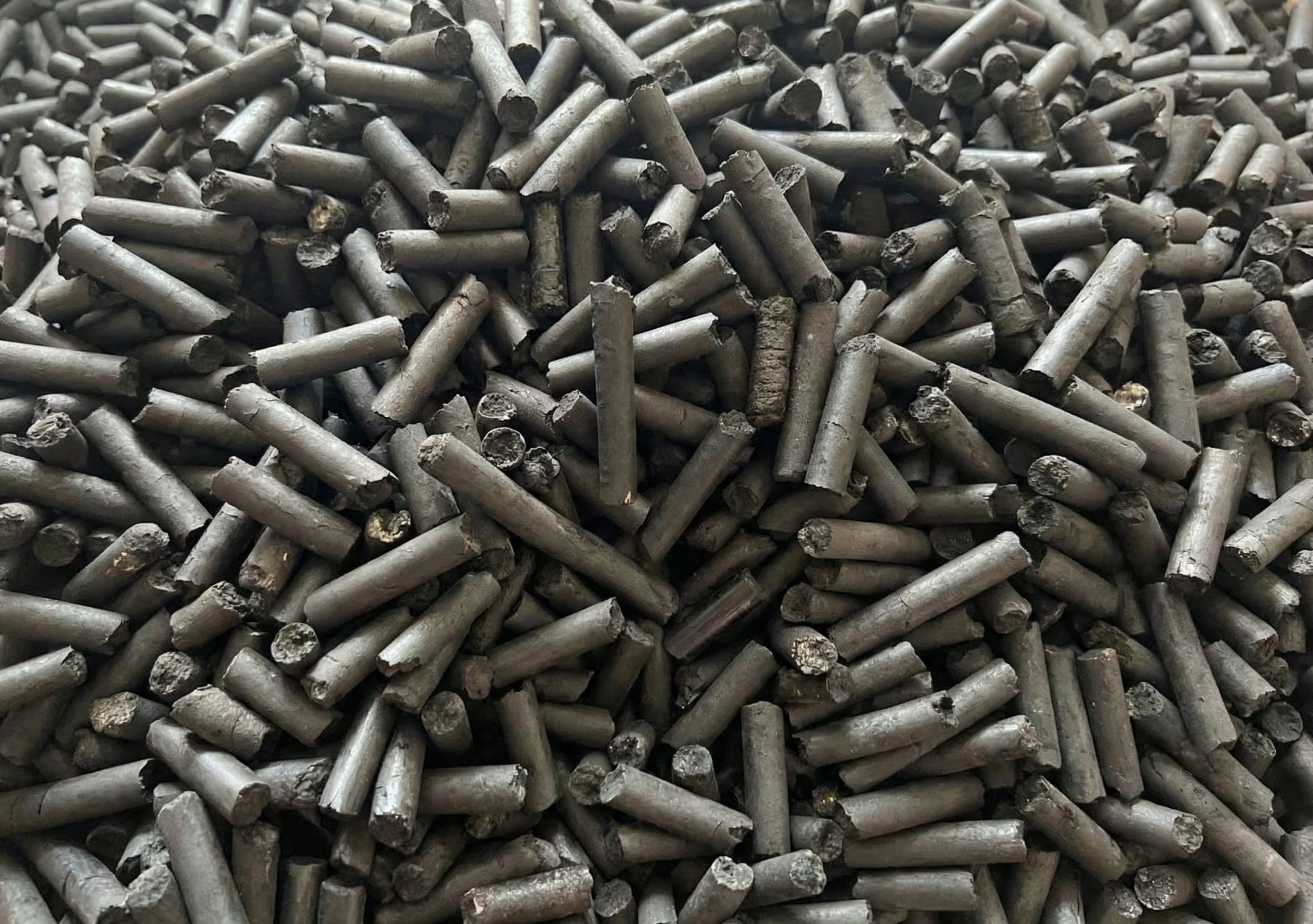
Biochar is a stable, carbon-rich material produced through the thermal conversion of biomass in a low-oxygen environment.
This process transforms agricultural and forestry residues into a valuable solid product that can be used across multiple sectors, including:
- Infrastructure
- Agriculture
- Environmental remediation
- Construction materials
- Carbon markets
Because the carbon remains locked within the material for long periods, biochar is also recognised globally as a powerful carbon removal solution.
Real-World Applications of Carbon Negative Power Biochar
Roads & Civil Infrastructure
Darwin, Australia
In Darwin, our industrial biochar has been used in road-related applications and civil works.
When integrated into suitable construction blends, biochar can help improve material performance while reducing the embodied carbon footprint of traditional infrastructure inputs.
Potential benefits include:
- Reduced lifecycle emissions
- Improved circular use of biomass waste
- Enhanced sustainability credentials for projects
- Long-term carbon storage within infrastructure assets
This demonstrates how biochar can move beyond agriculture and into mainstream industrial use.
Agriculture & Fertiliser Enhancement
Malaysia
In Malaysia, our biochar has been applied as an agricultural input to improve soil performance and nutrient efficiency.
Biochar is increasingly recognised for its ability to support farming systems by helping soils retain water, nutrients, and organic matter.
Potential agricultural benefits include:
- Improved soil structure
- Better moisture retention
- Enhanced nutrient efficiency
- Reduced fertiliser losses
- Long-term soil carbon improvement
For regions focused on food production and plantation crops, biochar offers both productivity and sustainability benefits.
Why This Matters
Many carbon solutions remain theoretical. Biochar is different.
It is a practical material with immediate use cases, measurable environmental value, and growing demand across multiple sectors.
For industrial clients, this means biomass waste streams can become:
- Renewable electricity
- Useful thermal energy
- Saleable biochar products
- Carbon removal credits
A single waste stream can create multiple revenue opportunities.
Why Carbon Negative Power
Carbon Negative Power develops advanced biomass systems that generate 24/7 renewable baseload power while producing premium biochar as a co-product.
Our projects are designed for industries seeking to lower energy costs, monetise biomass waste, and reduce carbon intensity through commercially viable infrastructure.
We focus on real deployment, real economics, and real outcomes.
Looking Ahead
The future applications of biochar continue to expand, from concrete additives and water filtration media to mine rehabilitation and large-scale soil restoration.
What is clear today is simple:
Biochar is no longer experimental. It is already being deployed.
And Carbon Negative Power is helping lead that transition.
Speak With Our Team
If your business has biomass residues, rising energy costs, or sustainability targets, our team can assess how a Carbon Negative Power project could create value on your site.