A remote mine, quarry or processing plant often runs one of the most expensive power systems in the world. Diesel is bought at a premium, trucked long distances, stored on site and burned in generators that need constant maintenance. Every step adds cost and risk.
The true cost of diesel power
The fuel price is only part of the bill. Remote diesel generation also carries:
- Logistics. Haulage, storage, spill management and security.
- Price exposure. Diesel prices follow global oil markets and currency moves.
- Supply risk. Roads close, deliveries slip, and stock runs down.
- Maintenance. Generators running at high hours need frequent servicing and overhauls.
- Emissions. Scrutiny from investors, customers and regulators is increasing.
For many remote sites, the delivered cost of diesel power is several times what a grid-connected industrial user pays.
Hybrid microgrids
The standard answer is a hybrid microgrid: a local power system that combines several sources under one set of controls.
- Solar supplies cheap energy during the day.
- Batteries smooth fluctuations and shift some solar into the evening.
- Firm generation covers the rest — nights, cloudy periods and peak loads.
Solar and batteries alone rarely cover 24/7 industrial load at a sensible cost; the gap has to be filled by something dispatchable. Today that is usually diesel. The question is whether it has to be.
Local fuel for firm power
Where there is biomass near the site — forestry residues, plantation wood, agricultural residues from surrounding farms — it can fuel a plant that supplies firm, dispatchable power around the clock. The fuel is sourced locally rather than trucked from a port, priced under local supply contracts rather than oil markets, and renewable.
The same plant can supply process heat. Many remote operations need heat as well as power — for drying, kilns, leaching or camp services — and recovered heat from the plant can displace diesel or LPG used for those purposes too.
Biomass is not available at every site. It depends on what grows or is processed within a reasonable distance, which is why fuel assessment comes first.
Staging the transition
A remote site cannot risk its supply on an untested system. The practical approach is staged:
- Assess load, heat demand and local fuel resources.
- Add local generation alongside the existing diesel fleet, with shared controls.
- Shift baseload to the local plant while diesel units move to standby.
- Extend with solar and batteries where they reduce cost further.
Existing generators remain as backup, so reliability improves rather than falls.
Comparing the options
| Diesel only | Solar + batteries + diesel | Local firm generation + solar + batteries | |
|---|---|---|---|
| Fuel logistics | Continuous trucking | Reduced trucking | Local fuel supply; diesel as backup |
| Price exposure | Oil markets | Lower, still oil-linked for firm supply | Local contracts |
| Night and cloudy periods | Diesel | Diesel | Local plant |
| Process heat | Separate diesel or LPG burners | Separate burners | Recovered heat from the plant |
| Emissions | Highest | Lower | Lowest; biochar can add carbon removal |
The right mix depends on the site's load profile, mine life, fuel availability and how much heat it uses.
Mine life and contract term
Remote operations have finite lives, and power contracts have to respect that. Modular plants help: blocks can be relocated to another site, or capacity reduced as the operation winds down. Energy-as-a-Service agreements can be structured around the expected mine life, with options to extend or relocate, so the operator is not left owning a stranded asset.
What to measure first
- Load profile. Hourly electrical demand over a representative period, including peaks from crushers and mills.
- Heat demand. Any kilns, dryers, leaching, hot water or camp heating, and the fuel used for each today.
- Delivered diesel cost. The full cost per litre at site, including haulage, storage and losses — not the list price.
- Local fuel resources. Forestry, plantations, agricultural residues or processing waste within a practical radius.
- Existing assets. Generator fleet age, condition and remaining life.
A reference in development
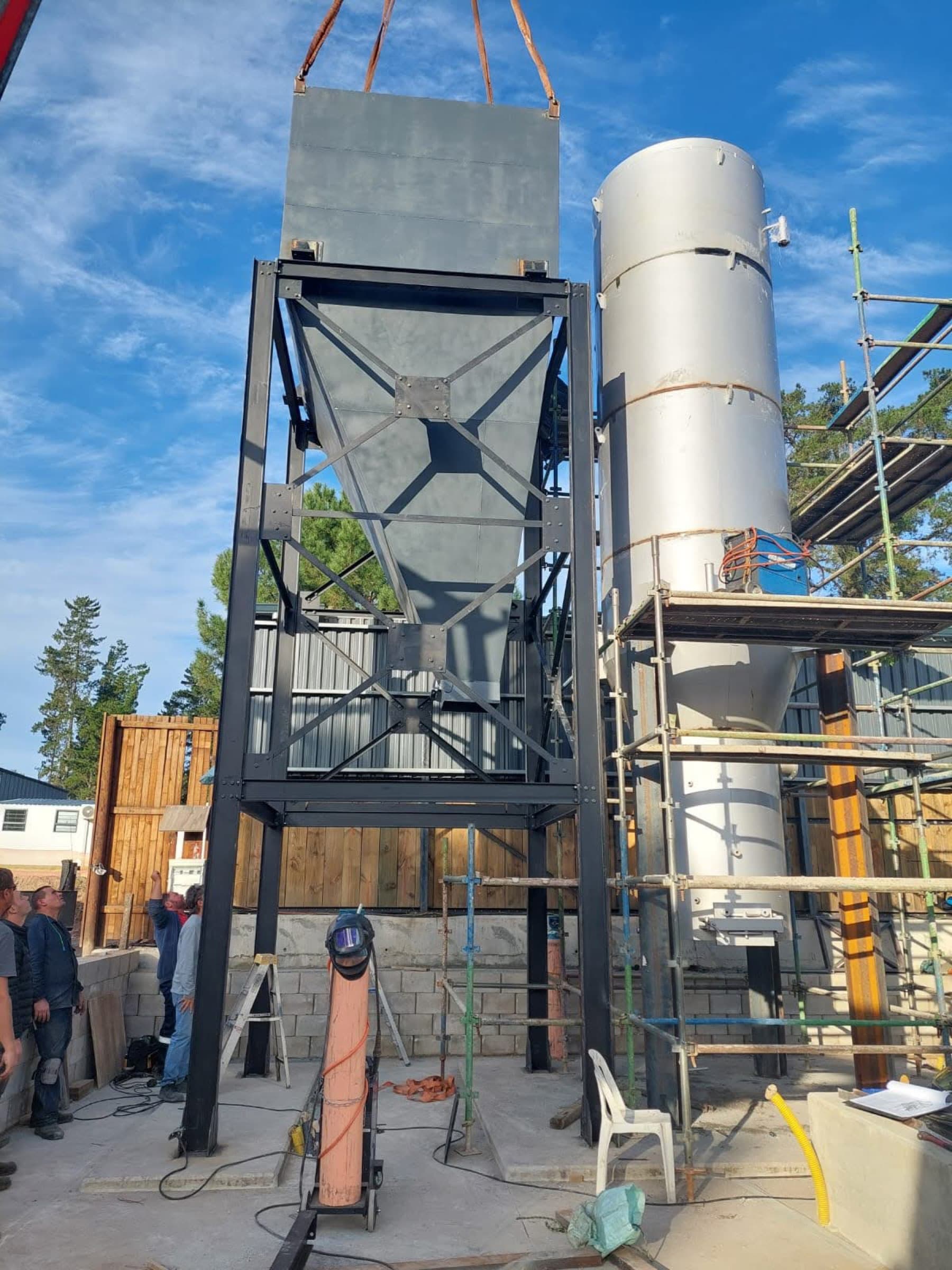
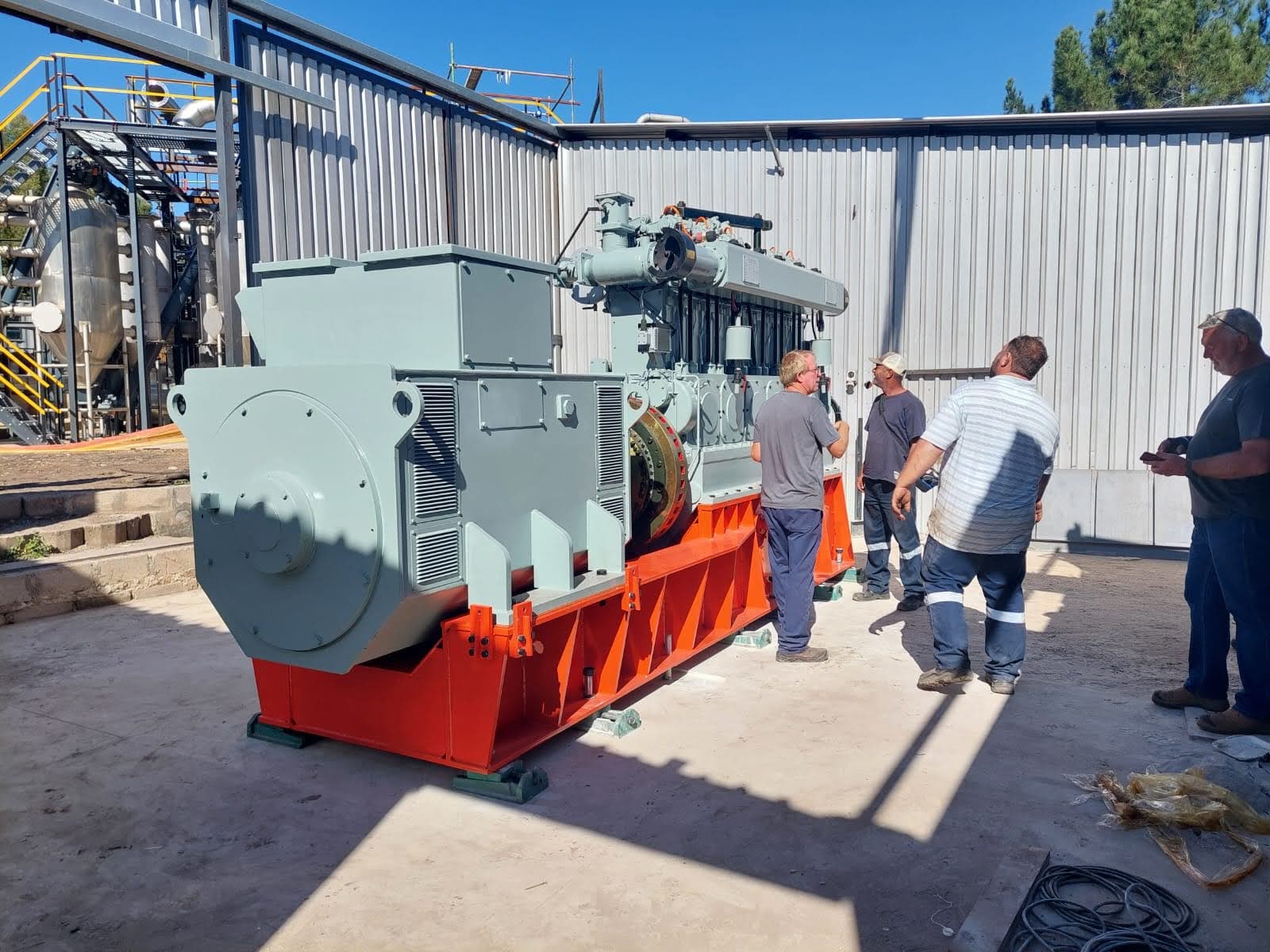
CNP is developing a behind-the-meter plant for an energy-intensive mine site in Malaysia, designed to supply about 4 MW of electricity and 6 MW of process heat under a long-term energy agreement, fuelled by plantation wood and local biomass. See Mining & Remote Industry.
Next step
Assess your site — share your load, heat demand and fuel costs, and we will tell you what a local generation system could replace.