
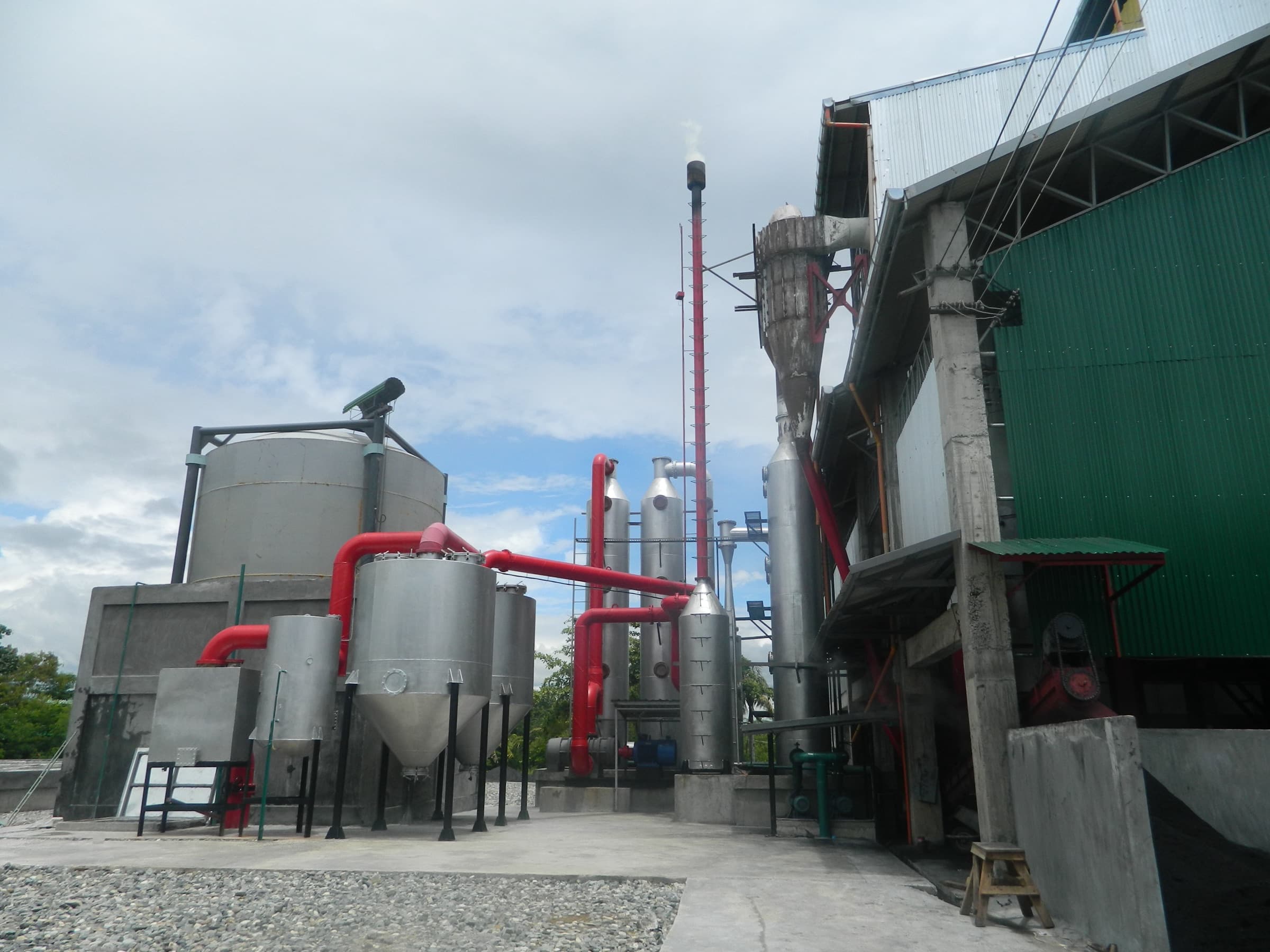
Industries · Agricultural processing
Turn your residues into your power supply.
Reliable 24/7 power from the residues your mill already produces, financed, built and run by CNP.
- 24/7
- Baseload power for lines that never stop
- Power + heat
- Electricity and process steam from one plant
- No capex
- With Energy-as-a-Service
- Residue → fuel
- Husk, shells, fibre, bagasse
01
02
03
04
Waste-to-value calculator
What is your residue worth?
A few quick inputs. See the power, steam and savings an onsite plant could deliver.
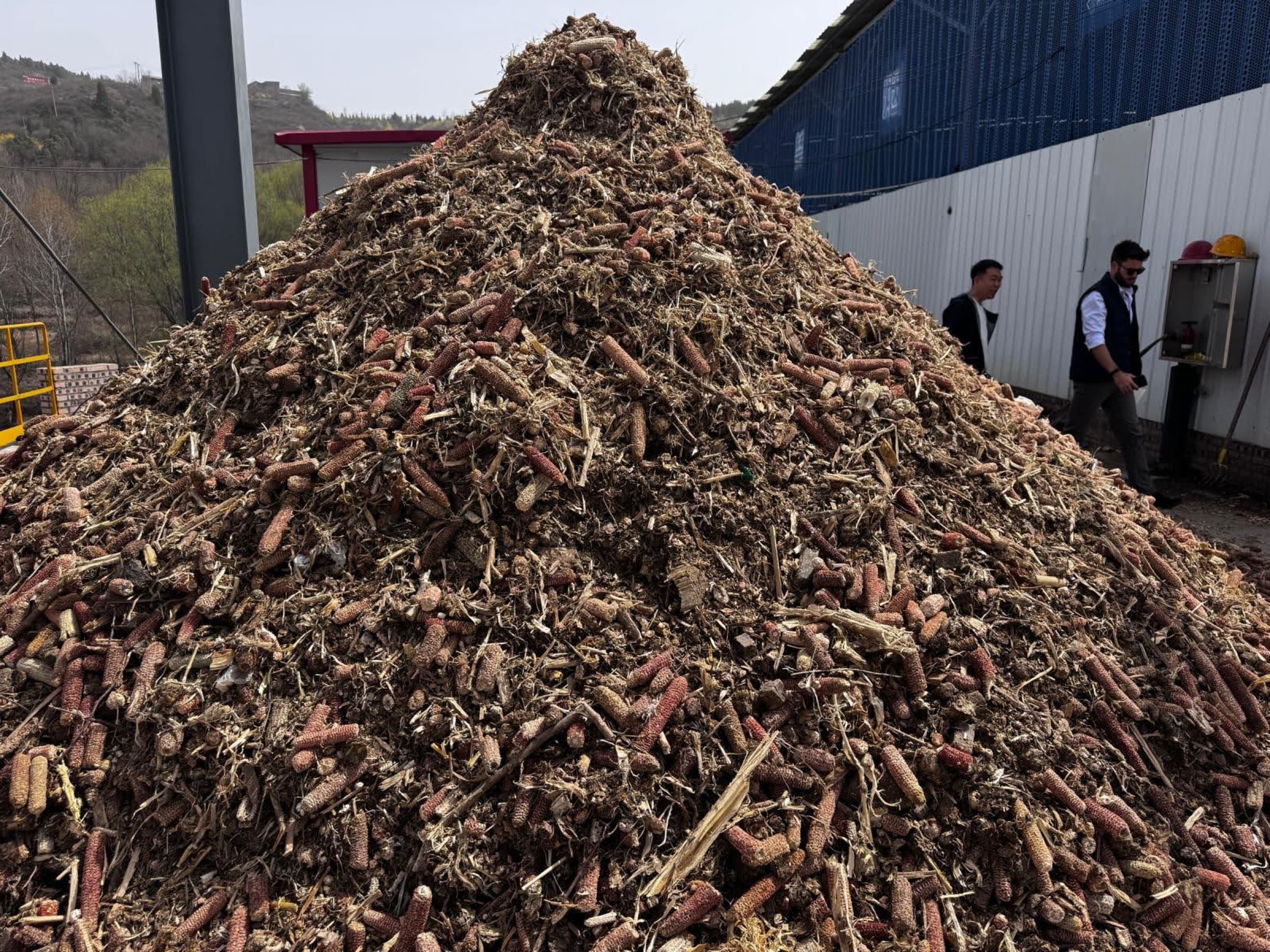
Processing runs around the clock. So do the power bills. And the residue keeps piling up.
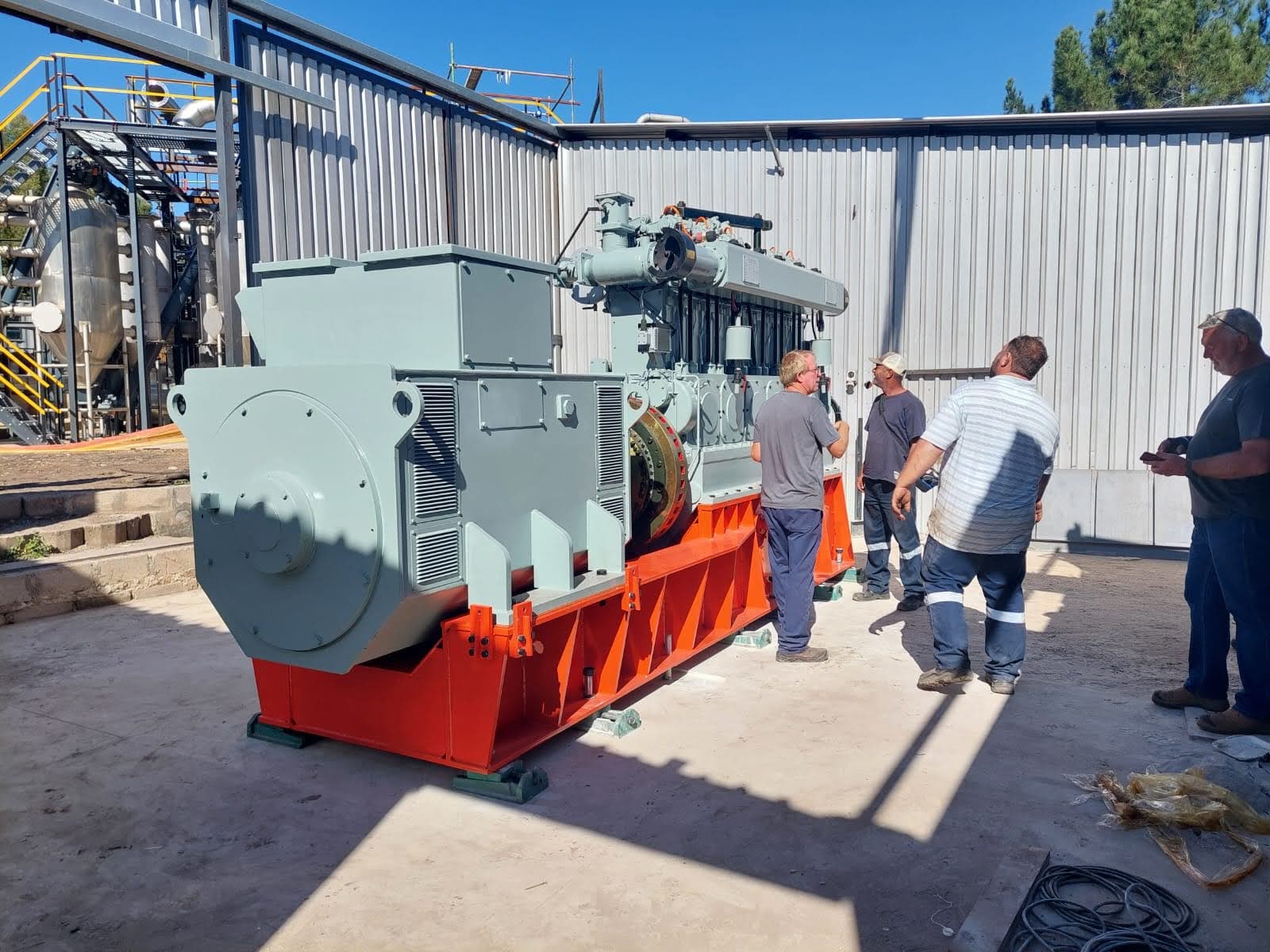
The energy problem
Three costs every mill knows.
Rising grid tariffs
Electricity is one of the largest operating costs for mills and processors, and tariffs keep moving up.
Residue that costs money
Husk, shells, fibre and bagasse pile up, get hauled away or burned for little value.
Unreliable supply
Outages and poor power quality interrupt lines that are meant to run 24/7.
.jpeg&w=3840&q=75&dpl=dpl_8omWQr2dmx9eNa5YGxR721ZE6K6N)
Why onsite generation
Your residue is already a fuel supply.
A CNP plant sits beside your operation and turns the residue you produce into continuous electricity and process heat, delivered behind the meter.
You buy less from the grid, stop paying to dispose of residue, and gain a supply that runs as long as your lines do.
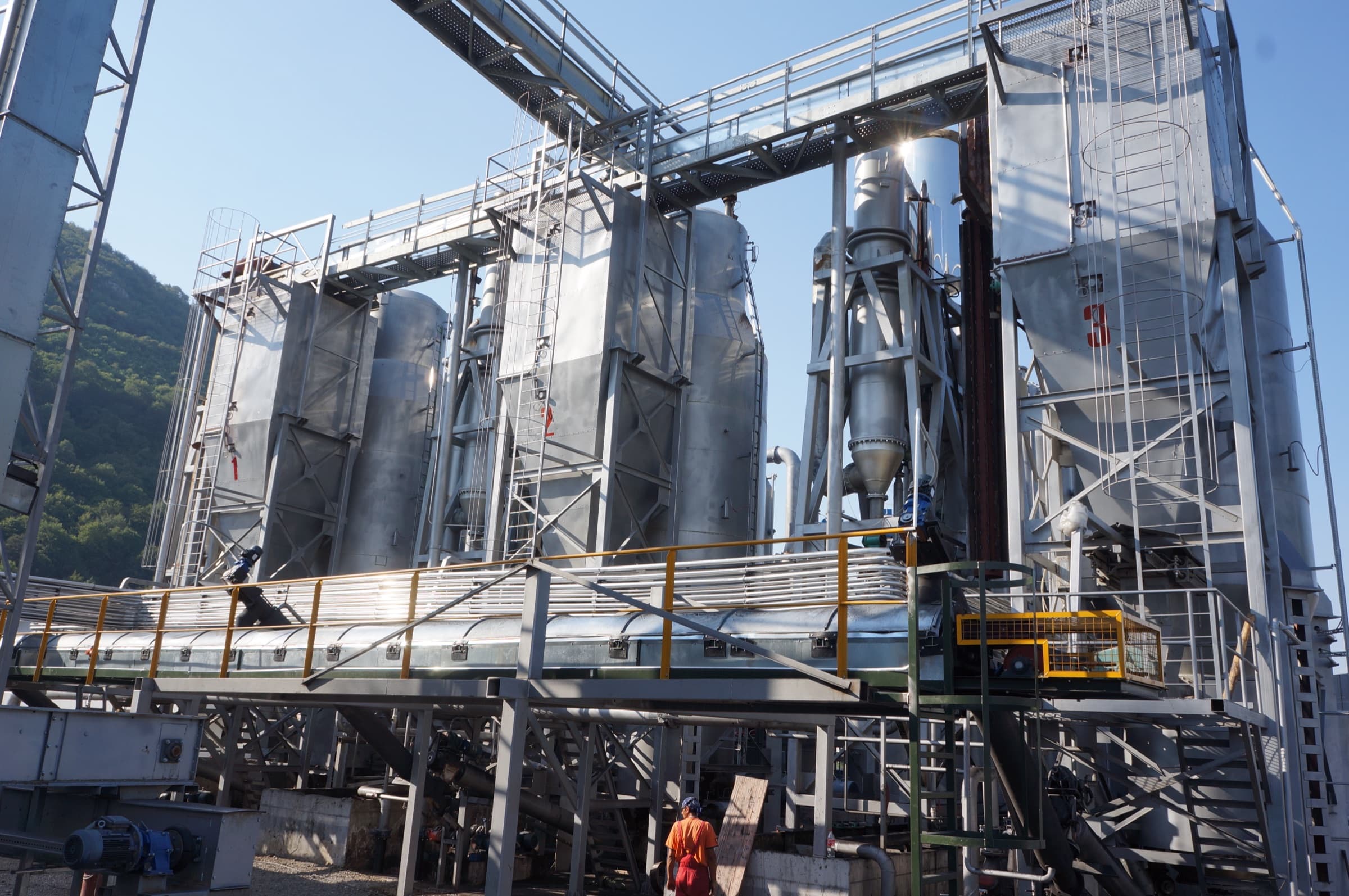
Onsite Power
Electricity and heat, behind the meter.
The plant runs alongside your grid connection. Recovered heat supplies steam or hot water for dryers, boilers and kilns.
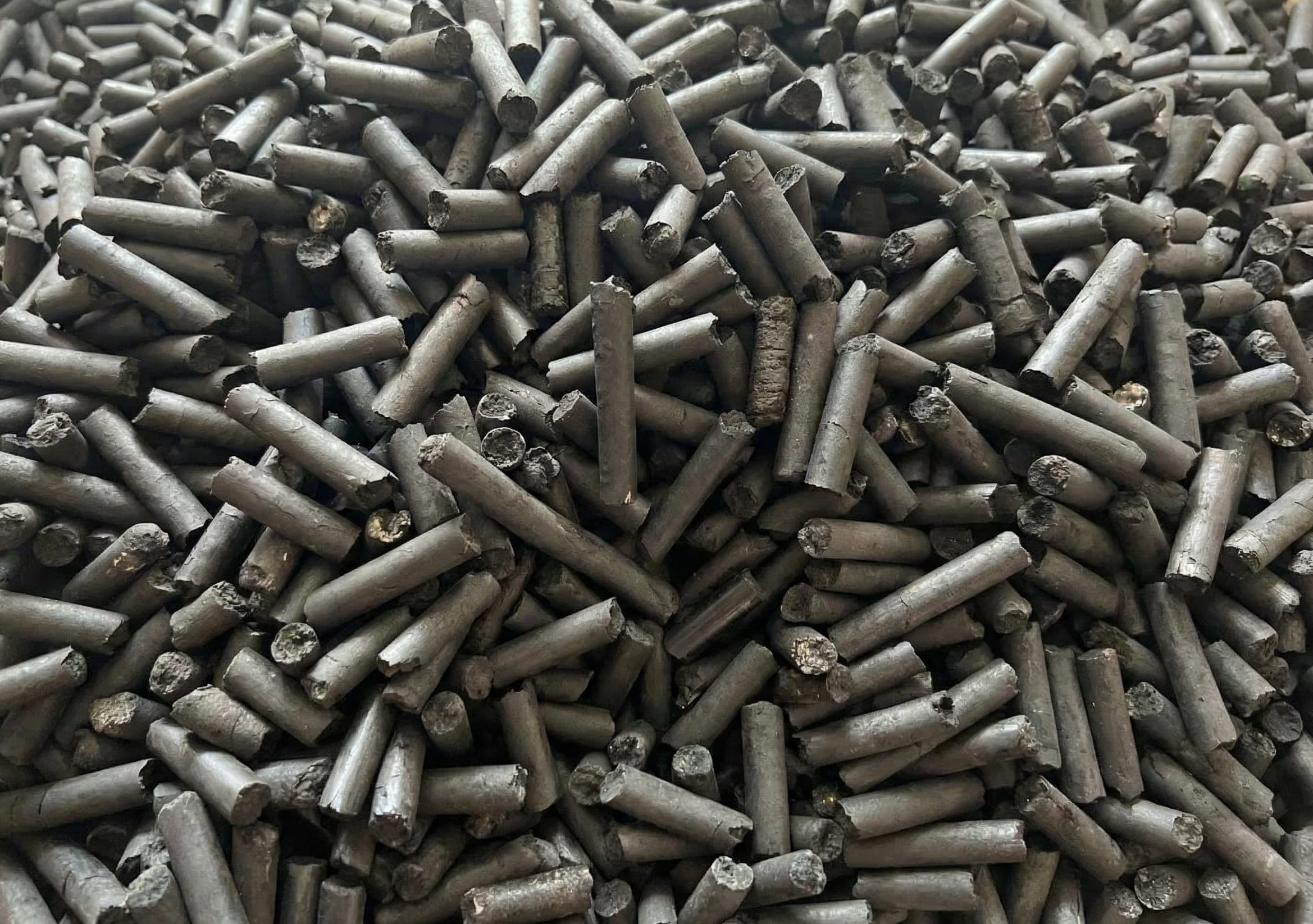
Carbon Removal
Biochar from the same plant.
Qualifying plants produce stable biochar alongside energy, creating independently verified carbon removal.
Commercial benefits
Why processors choose onsite power.
Power priced below your grid tariff
Buy electricity under a long-term agreement priced below your current grid rate.
No capital outlay
Under Energy-as-a-Service CNP finances, builds, owns and operates the plant. Customer-owned and joint development are available for larger projects.
Residue becomes fuel
Residue feeds the plant instead of costing money to store or remove.
24/7 baseload
Continuous generation matched to processing lines that never stop.
Biochar and carbon removal
Qualifying plants produce stable biochar and verified carbon removal alongside energy.
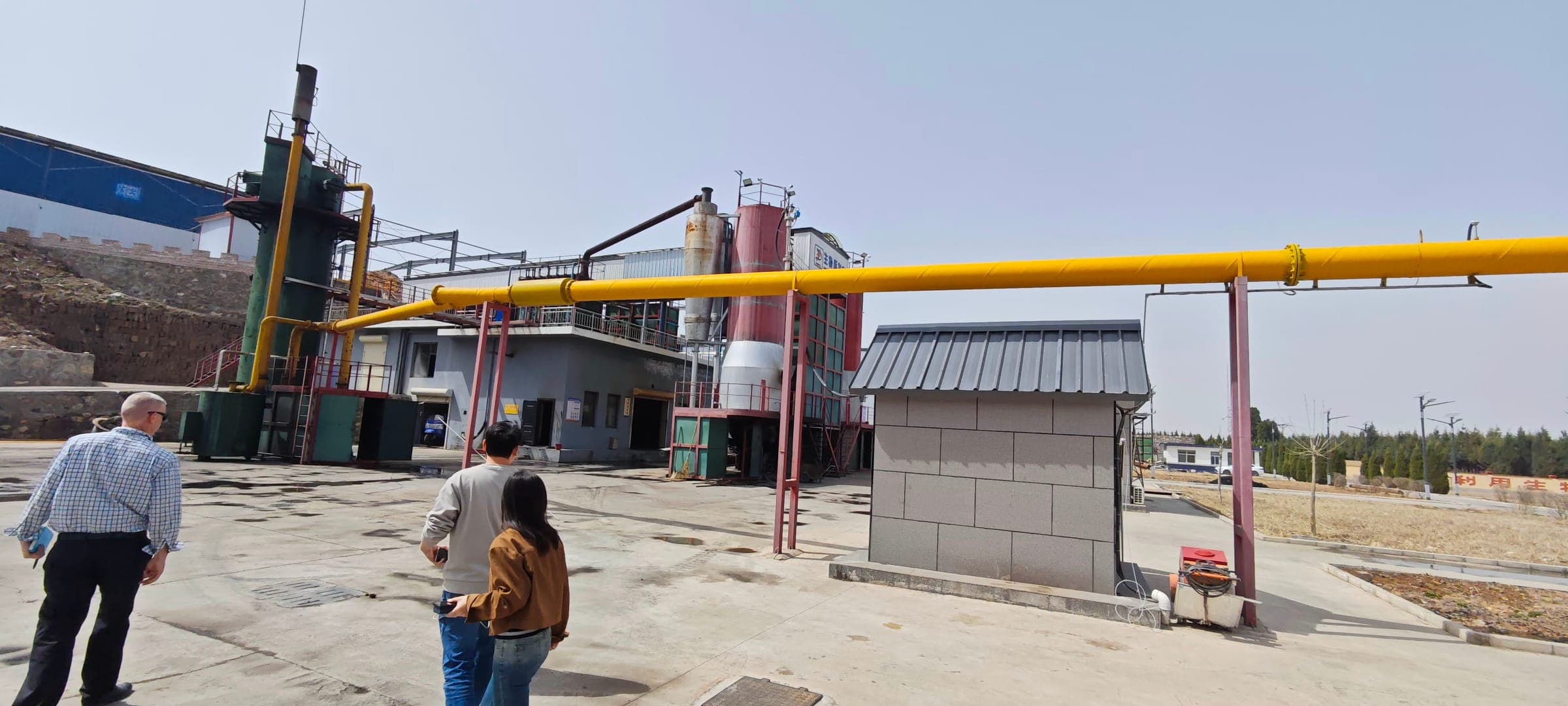
Typical system
A plant sized to your load and your residue.
01
Residue handling
Husk, shells, fibre or bagasse from your site
02
CNP energy plant
Built, owned and operated by CNP
03
Power and heat
Behind the meter, alongside the grid
04
Your mill
Lower, steadier energy cost
Typical arrangement
- Sized from a site assessment of your load profile and residue volumes
- 24/7 baseload operation, running in parallel with the grid
- Electricity plus steam or hot water for process use
- Biochar recovered as a by-product
- Long-term energy agreement with CNP operating the plant
Explore a live plant
Step inside a working CNP plant.
A live digital twin of our 1.5 MW plant in Penang. Click through and watch power, steam and biochar being produced.
Explore the plant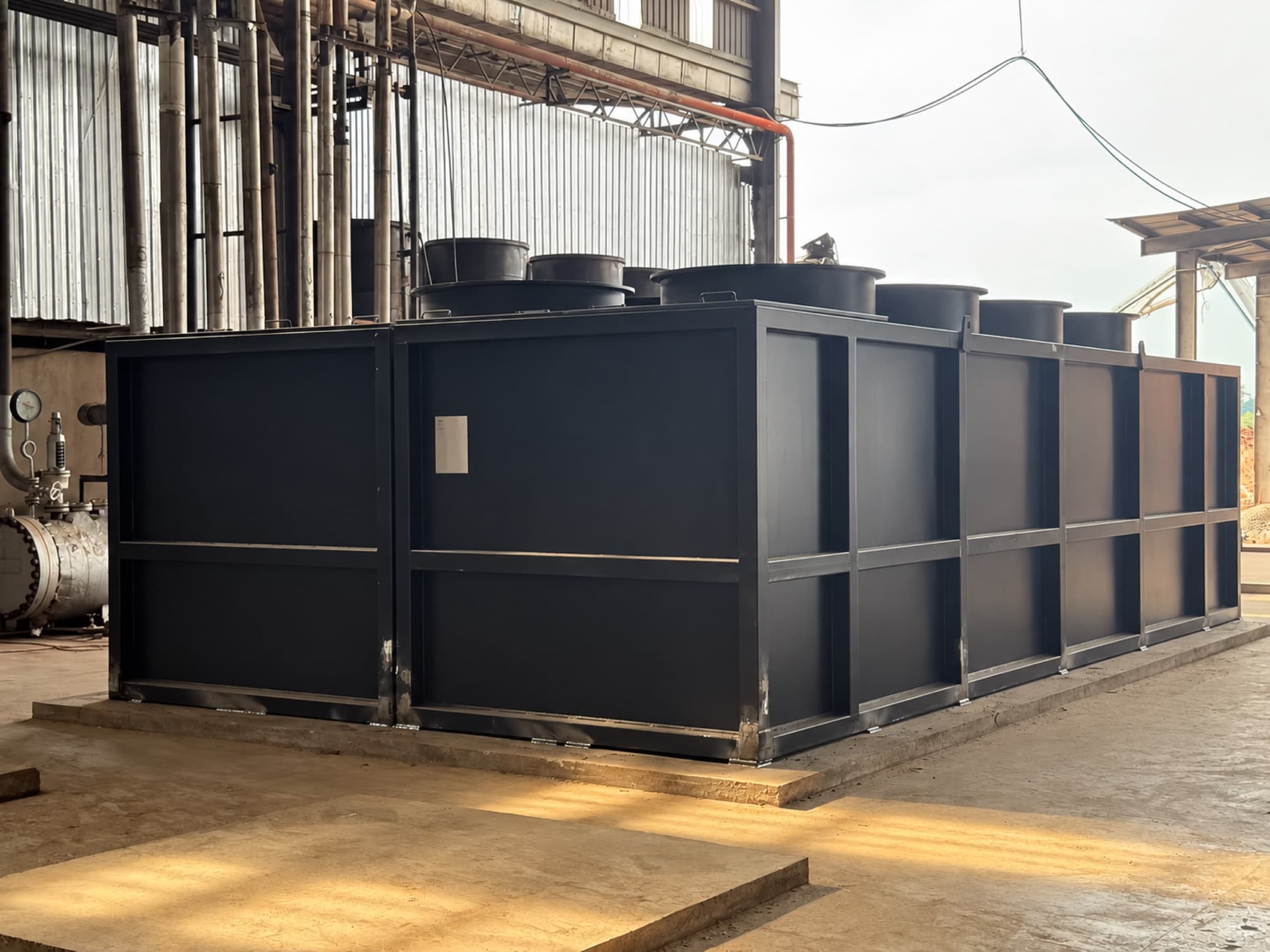
Reference project · Philippines
Rice husk to onsite power at a rice mill.
- Fuel
- Rice husk
- Power for the mill
- Onsite
- Status
- Operating
The challenge
A rice mill producing a steady stream of husk, with high electricity demand and limited use for its residue.
What CNP delivers
An onsite biomass plant converting rice husk into renewable electricity for the mill, with biochar recovered from the process.
View the projectSub-sectors
Built for the residues you produce.
Every processing sector leaves a different residue behind. The plant is designed around yours.
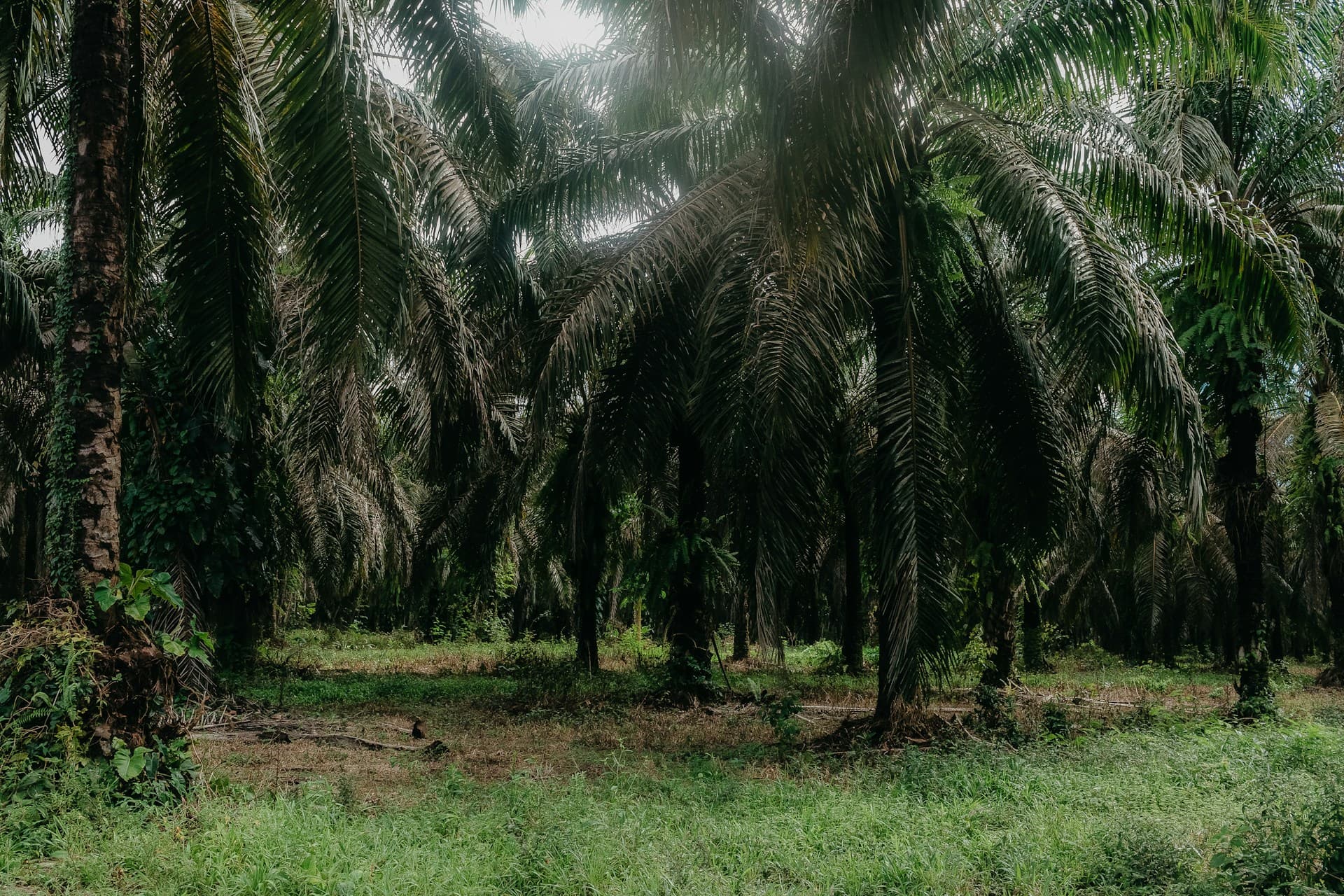
Palm oil mills
Empty fruit bunches, shells and fibre become continuous power and steam.

Rice mills
Husk and straw replace grid power for milling and drying lines.
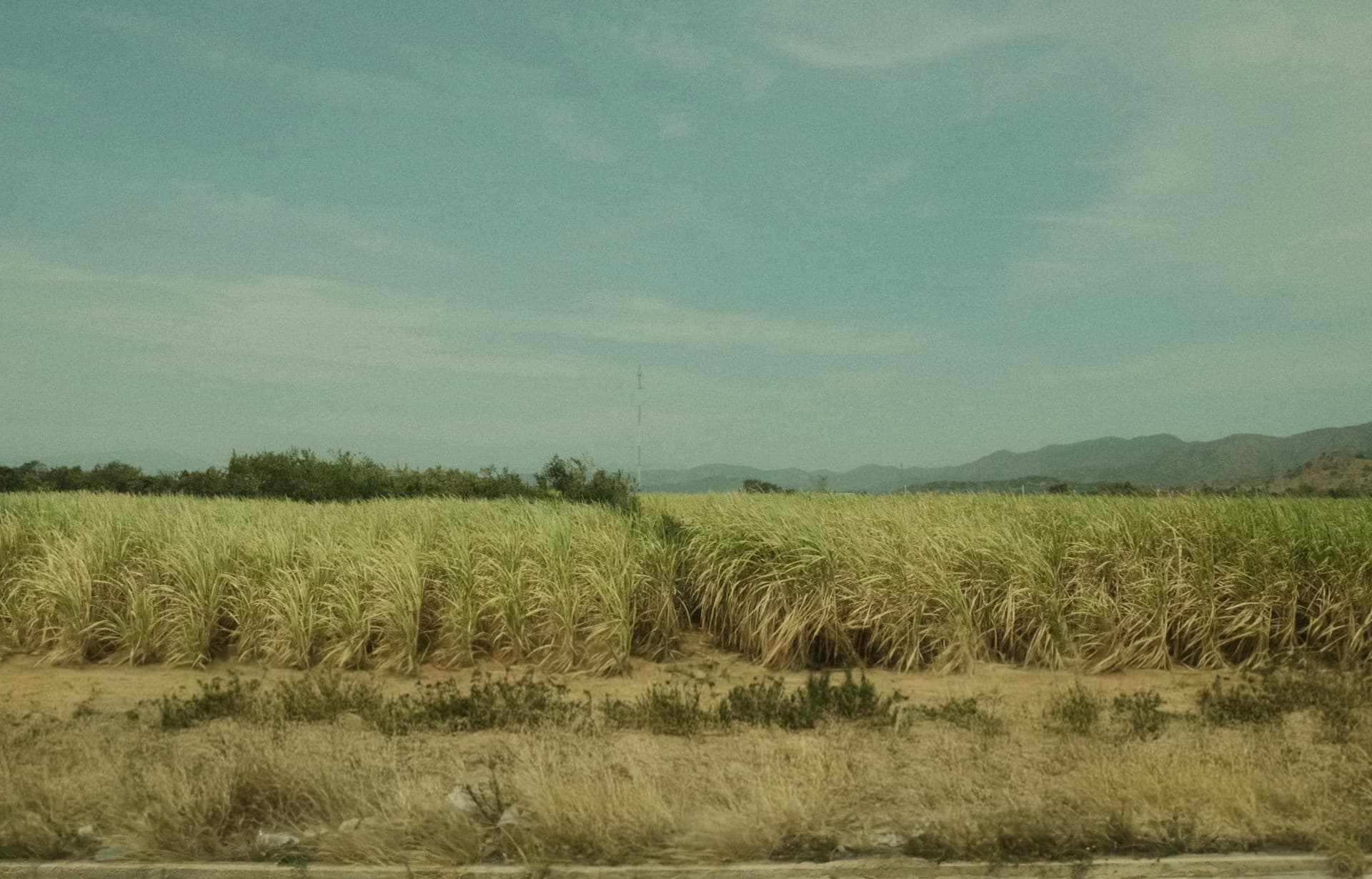
Sugar mills
Surplus bagasse becomes year-round power beyond the crushing season.
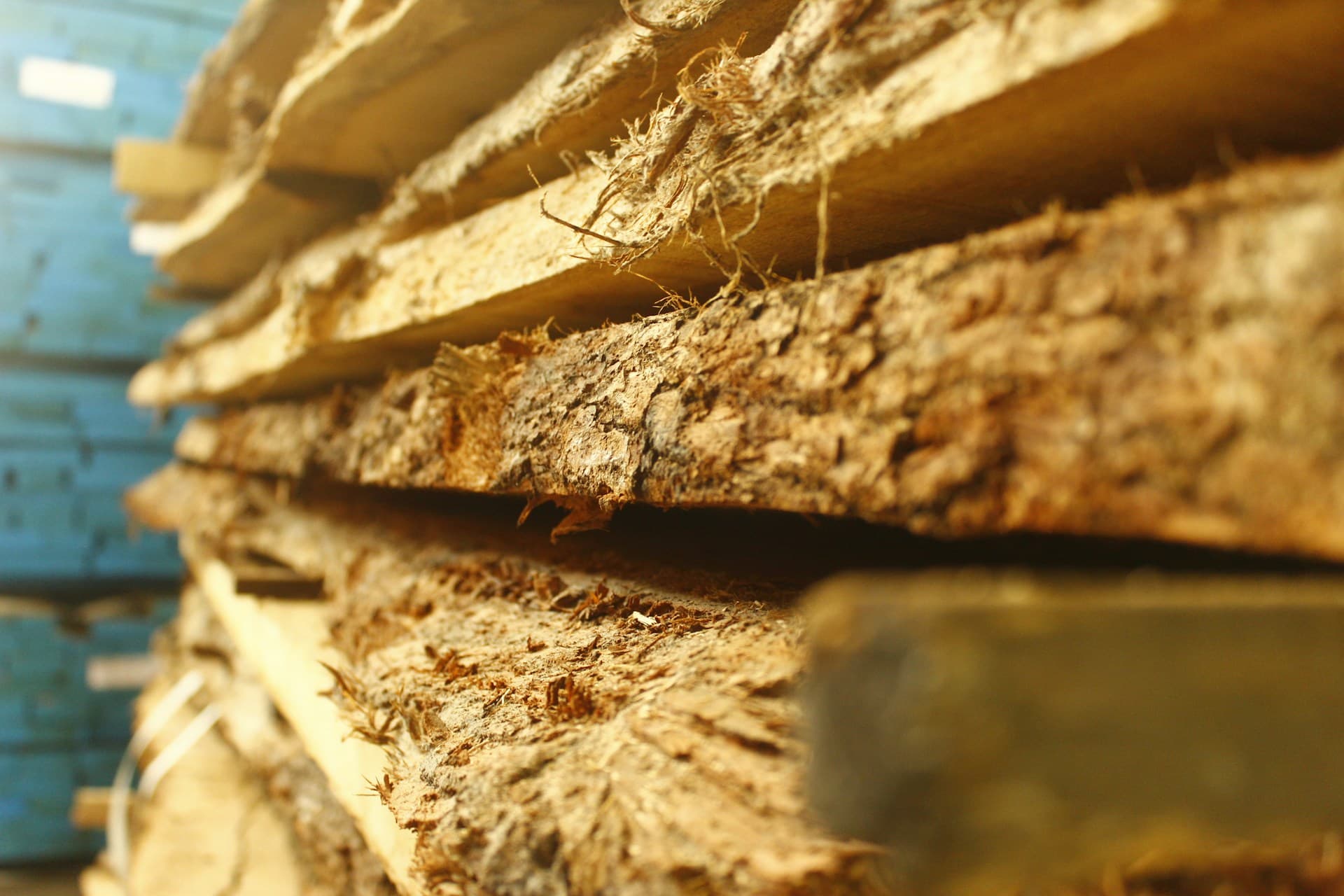
Wood and plywood
Offcuts and sawdust power presses and dryers.
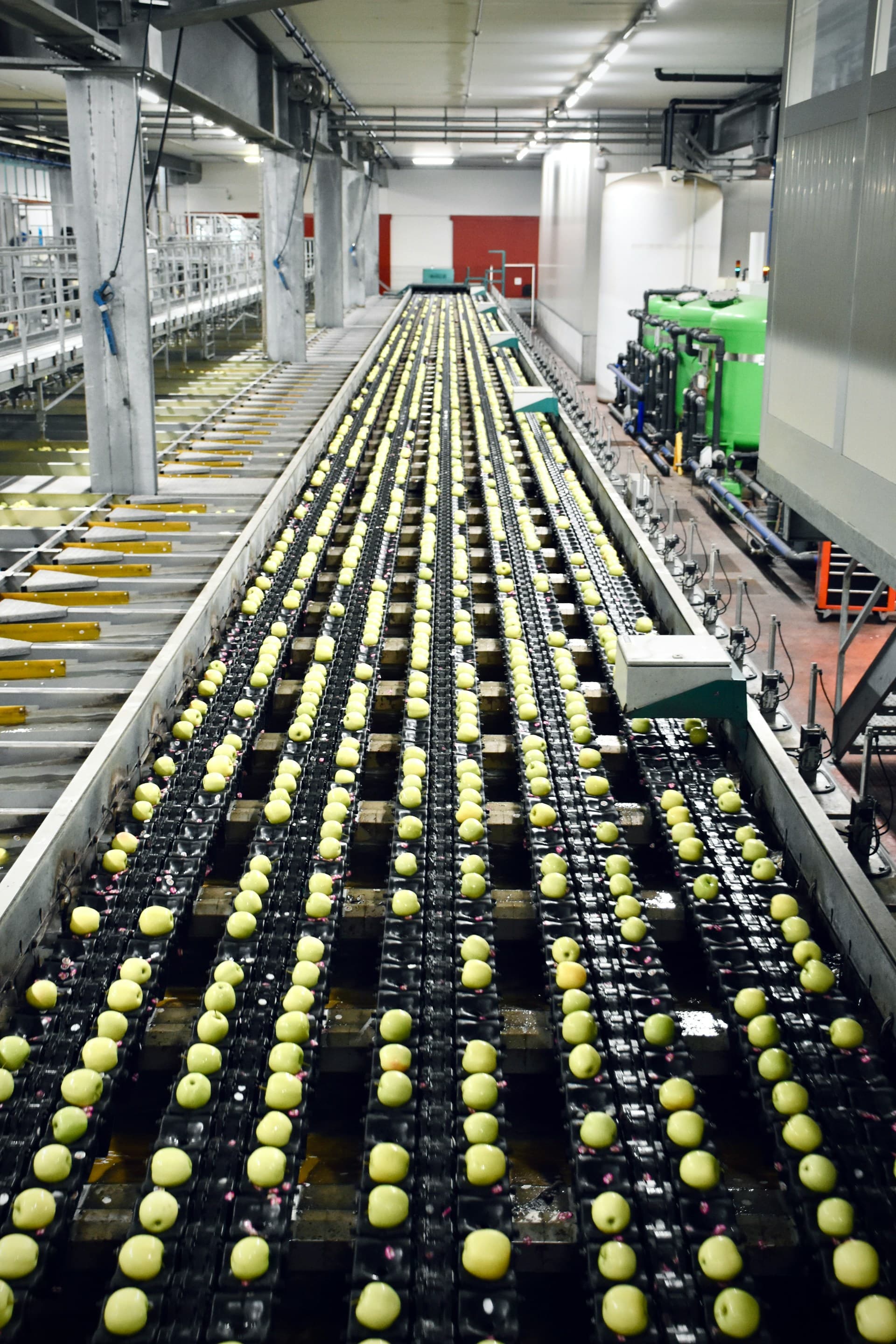
Food processing
Shells and husks from processing lines fuel onsite power and heat.

Nut and coconut
Shells and husks provide a dense and consistent fuel.
.jpeg&w=3840&q=75&dpl=dpl_8omWQr2dmx9eNa5YGxR721ZE6K6N)
FAQ
Questions from processors.
Do we need to fund the plant?
No. Under Energy-as-a-Service, CNP finances, builds, owns and operates the plant. You buy the energy under a long-term agreement.
What if our residue supply changes through the year?
Fuel security is assessed before development. Plants can blend residues, and supplementary fuel supply is contracted where needed.
Can the plant supply heat as well as power?
Yes. Recovered heat can supply steam or hot water for process use.
Does it replace our grid connection?
Usually not. The plant runs behind the meter alongside your grid connection, reducing how much you buy from the grid.
Who owns the biochar and carbon removal?
It depends on the commercial model. We agree ownership and any revenue sharing in the energy agreement.
Insights
Further reading.
See if onsite power works for your mill.
Tell us your location, energy demand and residue. We will tell you quickly whether a detailed assessment is worthwhile.