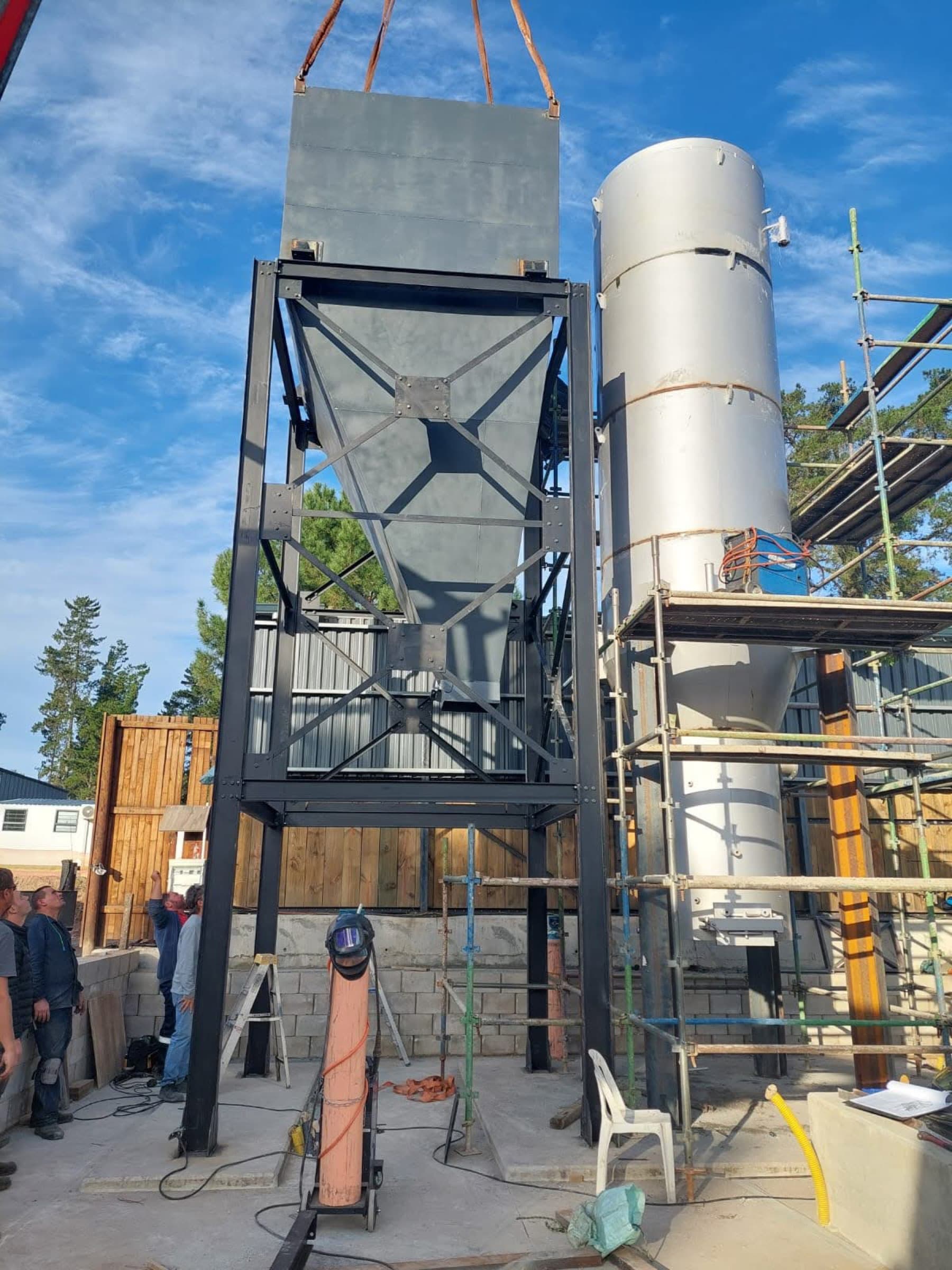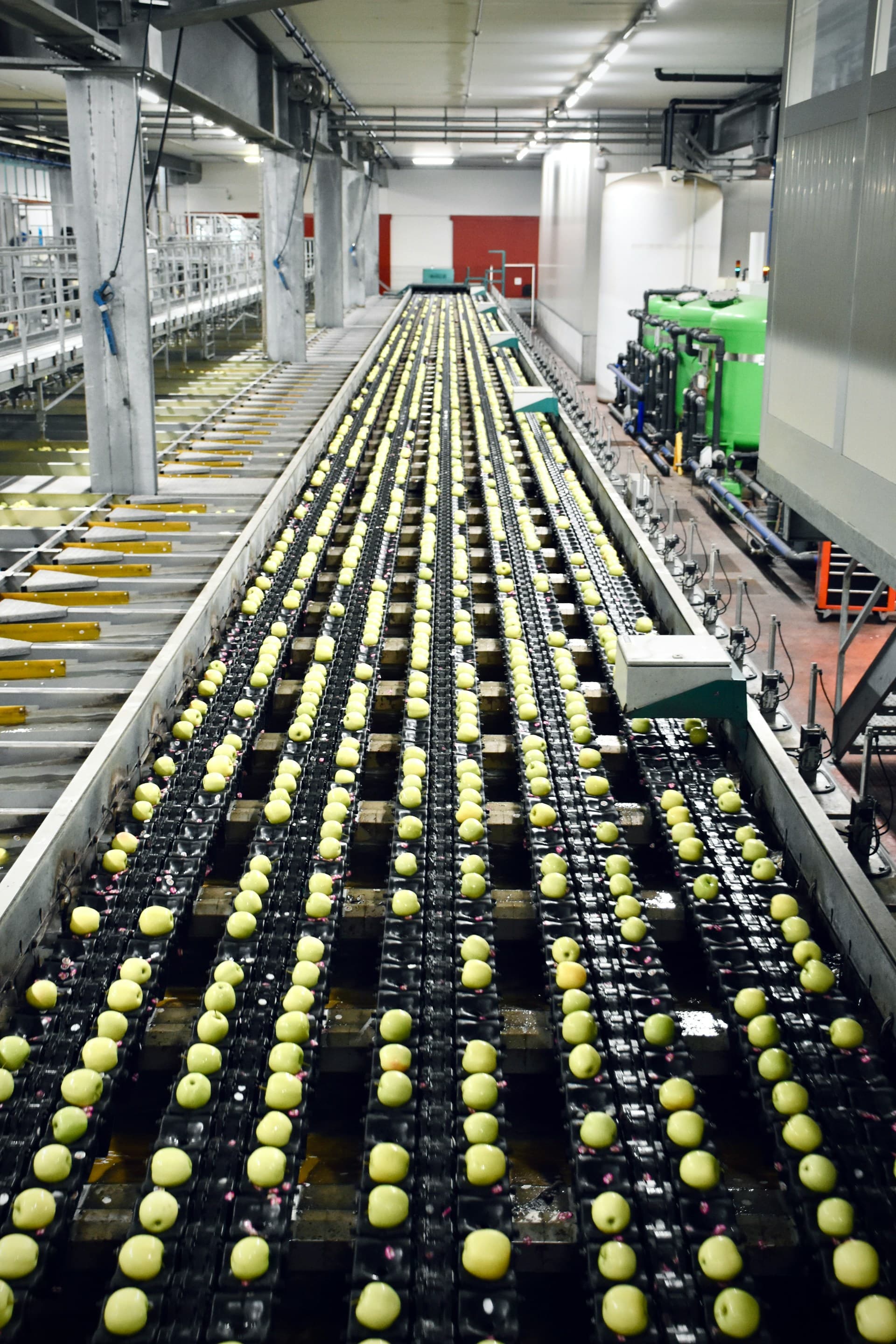
Few industries depend on uninterrupted power as directly as food. A cold store that loses power for several hours can lose its inventory. A processing line that stops mid-batch can waste product and trigger hygiene shutdowns. And refrigeration, cooking, drying and cleaning together make food one of the more energy-intensive manufacturing sectors.
The energy profile of food sites
- Refrigeration and freezing run 24/7, often as the largest electrical load.
- Process heat for cooking, blanching, pasteurising, drying and roasting.
- Hot water and steam for cleaning-in-place and sanitation.
- Compressed air, pumps and conveyors across the line.
The combination — continuous electricity plus substantial heat — is the profile that onsite combined heat and power serves best.
Residues as fuel
Many food processors produce residues that are good fuels:
- Nut and coconut shells — dense, dry and energy-rich;
- Husks and hulls from grains, coffee, cocoa and pulses;
- Fruit stones and pits;
- Wood from pallets and packaging, where clean.
Wet residues such as peels and pulp are better suited to anaerobic digestion than gasification, but many sites have a dry residue stream that can supply a significant share of their energy. Where they don't, local agricultural or forestry residues can be contracted.
Heat into cooling
Recovered heat is most valuable when it is used. For a cold store or chilled processing facility, one option is absorption chilling: using heat, rather than electricity, to drive a refrigeration cycle. It can offset part of the electrical cooling load and make better use of the plant's heat, particularly where process heat demand is low.
Whether it makes sense depends on the temperatures required and the balance of heat and cooling loads — it is one of the options examined in a site assessment.
Reliability first
For food and cold chain operators, reliability often matters more than the energy price:
- An onsite plant keeps running through grid outages, with the grid connection as backup.
- Continuous generation avoids the voltage dips and interruptions that trip sensitive equipment.
- Standby diesel generators move to genuine emergency duty rather than covering frequent outages.
Reporting and customers
Retailers and food brands increasingly ask suppliers for emissions data. Energy generated on site from residues — alongside biochar carbon removal where it applies — gives a food processor something concrete to report.
How CNP works with food processors
CNP develops, finances, builds and operates onsite plants that supply continuous power and heat from local biomass, under Energy-as-a-Service agreements. See Industrial & Manufacturing and Agricultural Processing.
Next step
Assess your site — share your load profile, heat and cooling demand and any residues you produce.