Colombia's Sugar Mills Are Sitting on an Untapped Asset Worth Millions
How Excess Bagasse Can Generate 24/7 Electricity, Premium Biochar, and Carbon Revenue — All from Waste Your Factory Already Produces
Last Updated: March 2026 | Reading Time: 5 minutes

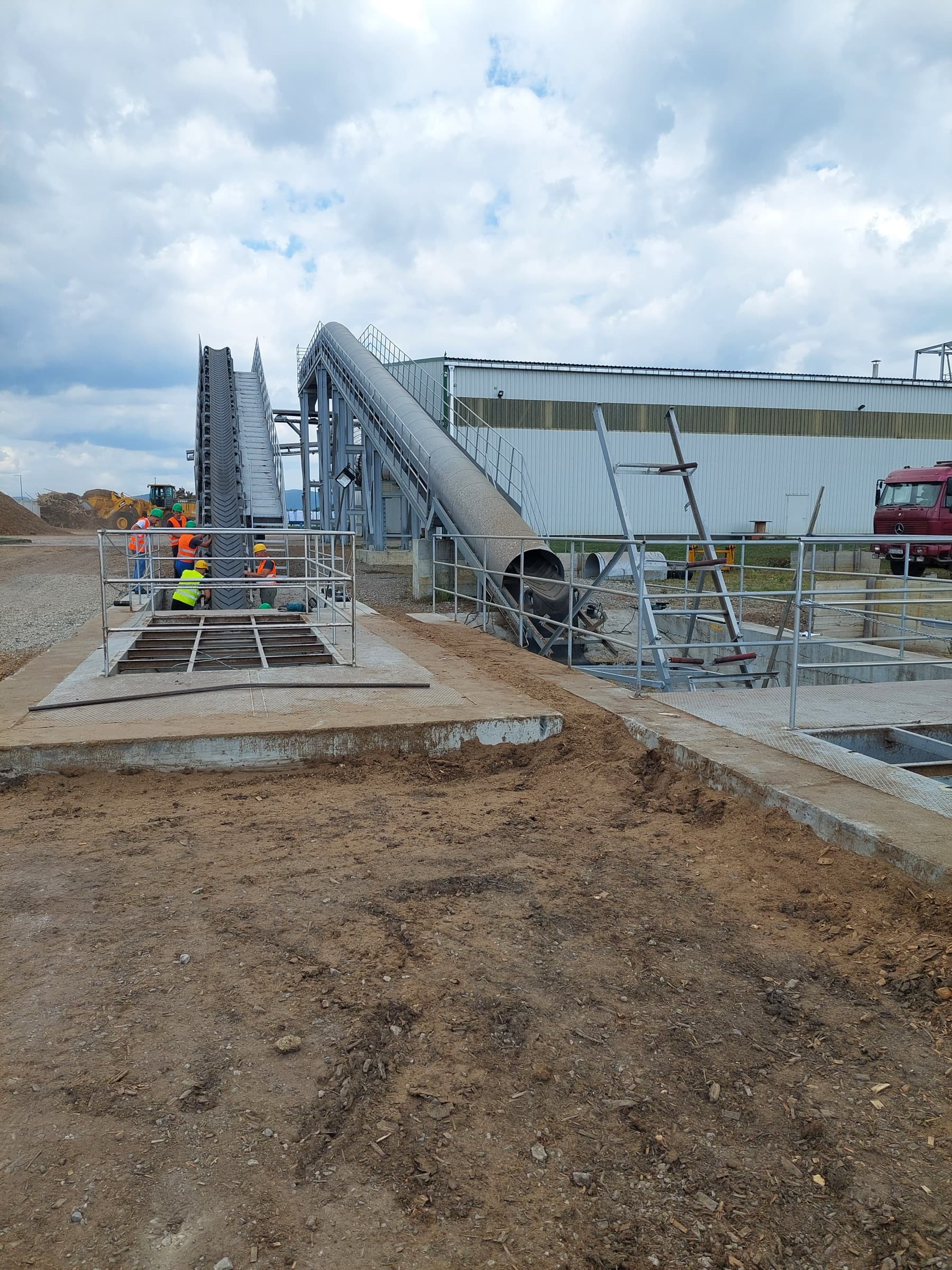
Every tonne of sugarcane that enters a Colombian sugar mill produces roughly 300 kg of bagasse. Most of it goes straight to the boilers. The rest — anywhere from 5% to 20% of total output — piles up outside your factory. It costs money to manage, occupies valuable land, and slowly becomes a liability.
There is a better use for it. And it pays.
The Problem with Bagasse Piles
Excess bagasse storage is a problem the sugar industry has accepted as unavoidable. It isn't. Large bagasse piles represen
The Louisiana sugar industry alone has spent decades and millions of dollars looking for alternative uses for excess bagasse. Research from the LSU AgCenter confirms that biochar production from bagasse is the most promising solution identified to date.
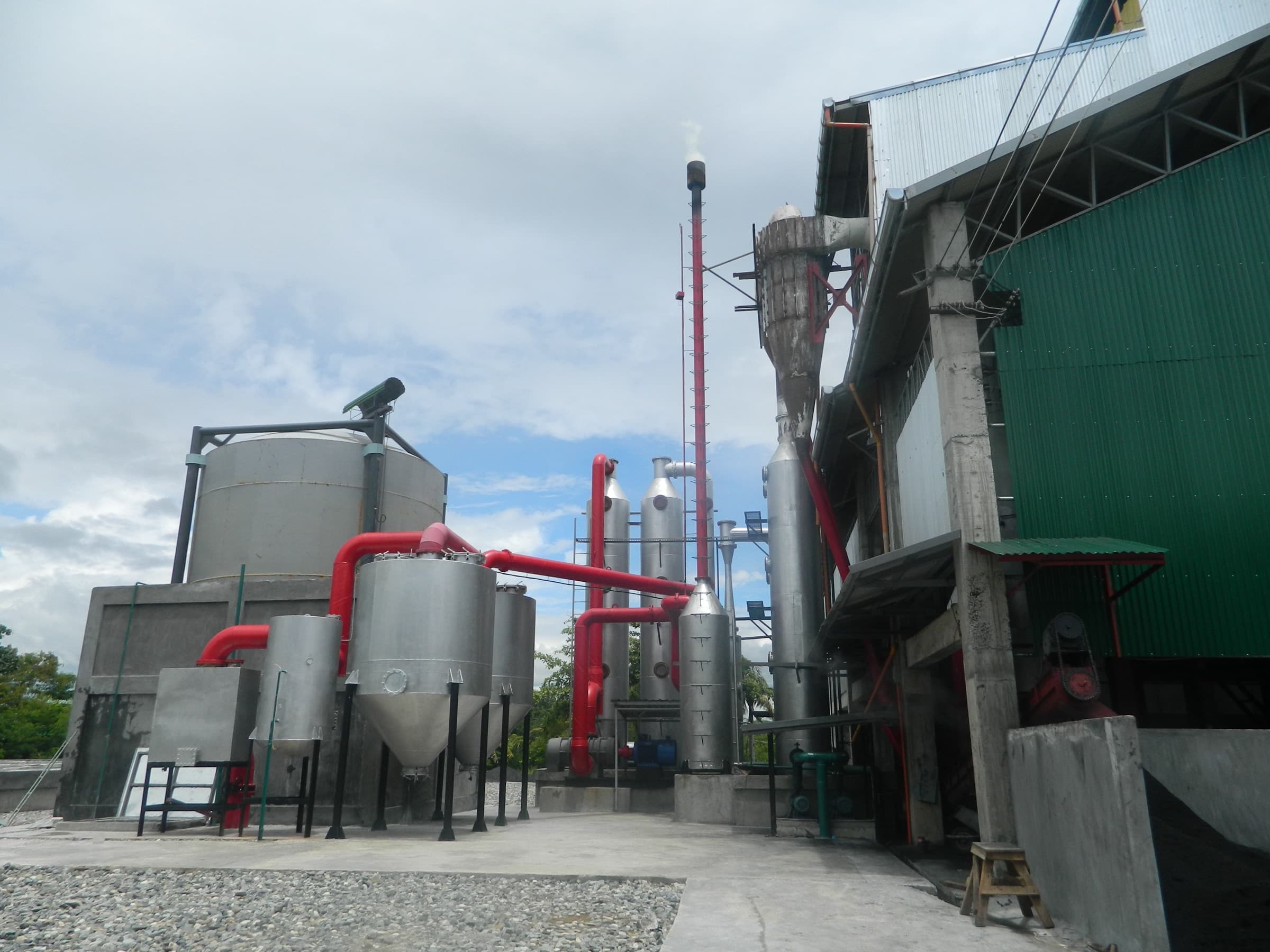
Gasification: From Waste Bagasse to Electricity and Biochar — Simultaneously
CNP's modular biomass gasification plants convert excess bagasse into two valuable outputs at once:
Unlike open burning or simple thermal disposal, gasification operates at controlled temperatures (500–650°C) in the absence of oxygen. At this range, fresh bagasse biochar achieves carbon content of 67–69% with fixed carbon above 62% — far superior to lower-temperature processing. These figures come from peer-reviewed USDA Agricultural Research Service studies on sugarcane bagasse biochar composition (LSU AgCenter Pub. 3896).
The electricity output runs around the clock. Not intermittent like solar. Not weather-dependent. 24/7 baseload power from a fuel source you already have on your property.
Three Revenue Streams from One Waste Stream
This is what makes the model commercially compelling for sugar mill owners and investors:
1. Power Purchase Agreement (PPA)
Baseload renewable power commands a significant premium over intermittent solar — typically 2–3× the tariff (USD $0.12–0.18/kWh vs. USD $0.04–0.06/kWh for solar). A long-term PPA with the Colombian national grid (SIN) or an industrial offtaker provides stable, predictable cash flows from day one. Colombia's energy transition framework under UPME supports grid connection for biomass baseload generation. This is the anchor revenue stream that makes project finance straightforward.
2. Biochar Sales and On-Farm Application
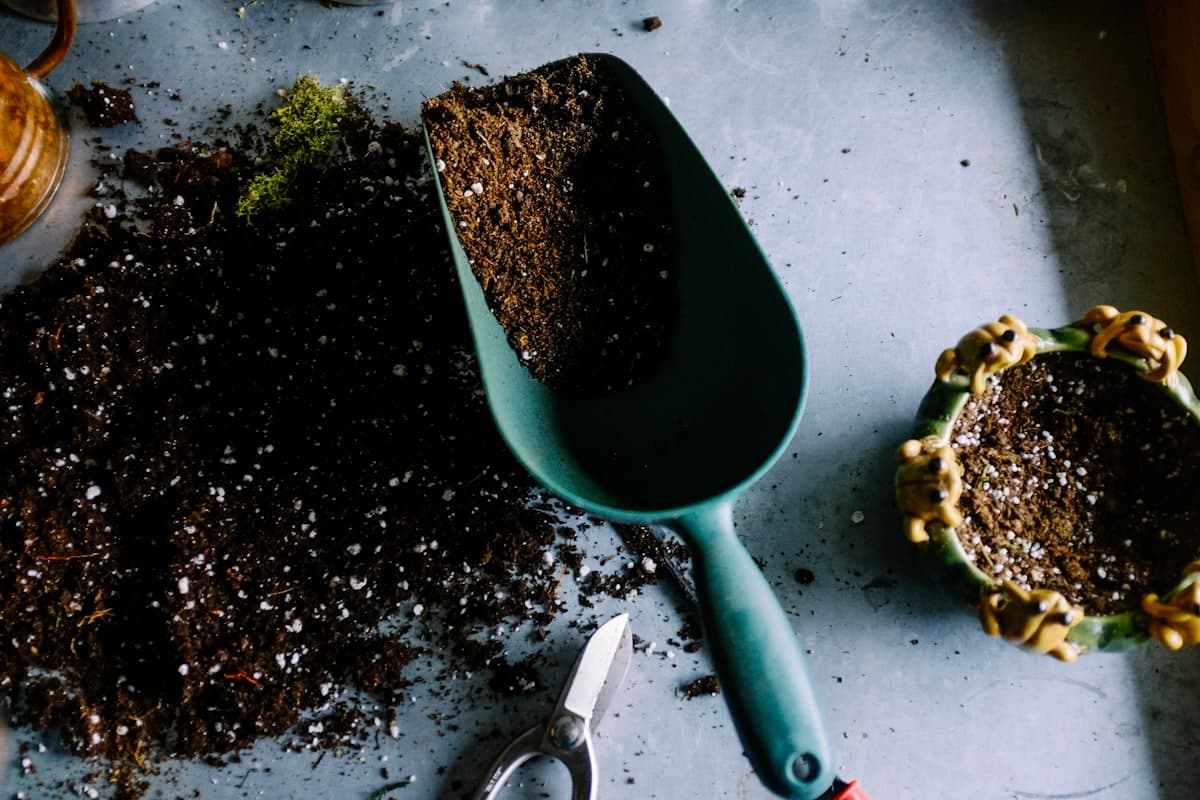
Bagasse biochar produced at 500–650°C has documented agronomic benefits for sugarcane fields: improved water retention, higher cation exchange capacity (CEC), better nutrient availability for calcium, potassium, manganese, and phosphorous. Applied at 1–2 tonnes per acre in the row furrow during the fallow year, it improves both sugar yields and soil health over successive crop cycles.
For a sugar mill, this creates a closed loop: bagasse becomes biochar, biochar improves the cane fields that produce your next bagasse supply. Independent biochar buyers exist across Latin America, with certified product trading at USD $200–500/tonne.
3. Verified Carbon Removal Credits
Biochar produced under verified protocols generates carbon removal credits that trade at EUR 80–150 per tonne — multiples above conventional offsets. Leading certification standards include Puro.earth and the European Biochar Certificate (EBC). Each tonne of biochar permanently sequesters carbon that would otherwise return to the atmosphere, generating credits with a price premium driven by their multi-century permanence.
The Soil Science Behind Bagasse Biochar
Research conducted by the USDA Agricultural Research Service (Isabel Lima and Paul White) and LSU AgCenter (Kenneth Gravois) demonstrates consistent benefits from applying bagasse biochar to sugarcane soils:
Application timing matters. The fallow year is optimal — biochar placed in the row furrow at 1–2 tonnes per acre and incorporated into the root zone before planting delivers the greatest agronomic benefit. Annual surface applications are possible but less effective than furrow incorporation. Improving soil properties is a long-term process; some benefits won't be fully visible until the end of the first crop cycle or into the second.
What This Looks Like at Scale
CNP has deployed 10+ plants across Australia, Malaysia, China, and Croatia. The model is proven. The financing is replicable. For a Colombian sugar mill operating a 4–6 MW plant on excess bagasse
CNP currently has funding partners actively seeking new projects to co-develop and finance. The structure is designed to be bankable: diversified revenues, proven technology, and long-term contracted offtake.
Making It Bankable
The commercial risk question is the one that matters most to mill owners and their investors. CNP's model is specifically structured to address it.
Next Steps
CNP is working with Colombian sugar producers to develop the next generation of integrated bagasse-to-energy plants. If you own or operate a sugar mill with excess bagasse and are interested in understanding the project economics for your facility, we would welcome a conversation.
The model has been proven at scale. The financing is available. The bagasse is already there.
Contact: cameron@carbonnegativepower.com | carbonnegativepower.com
1. Gravois, K., Lima, I., White, P. (2023).
2. UPME (2023). Colombian Non-Conventional Renewable Energy Targets. Unidad de Planeación Minero Energética.