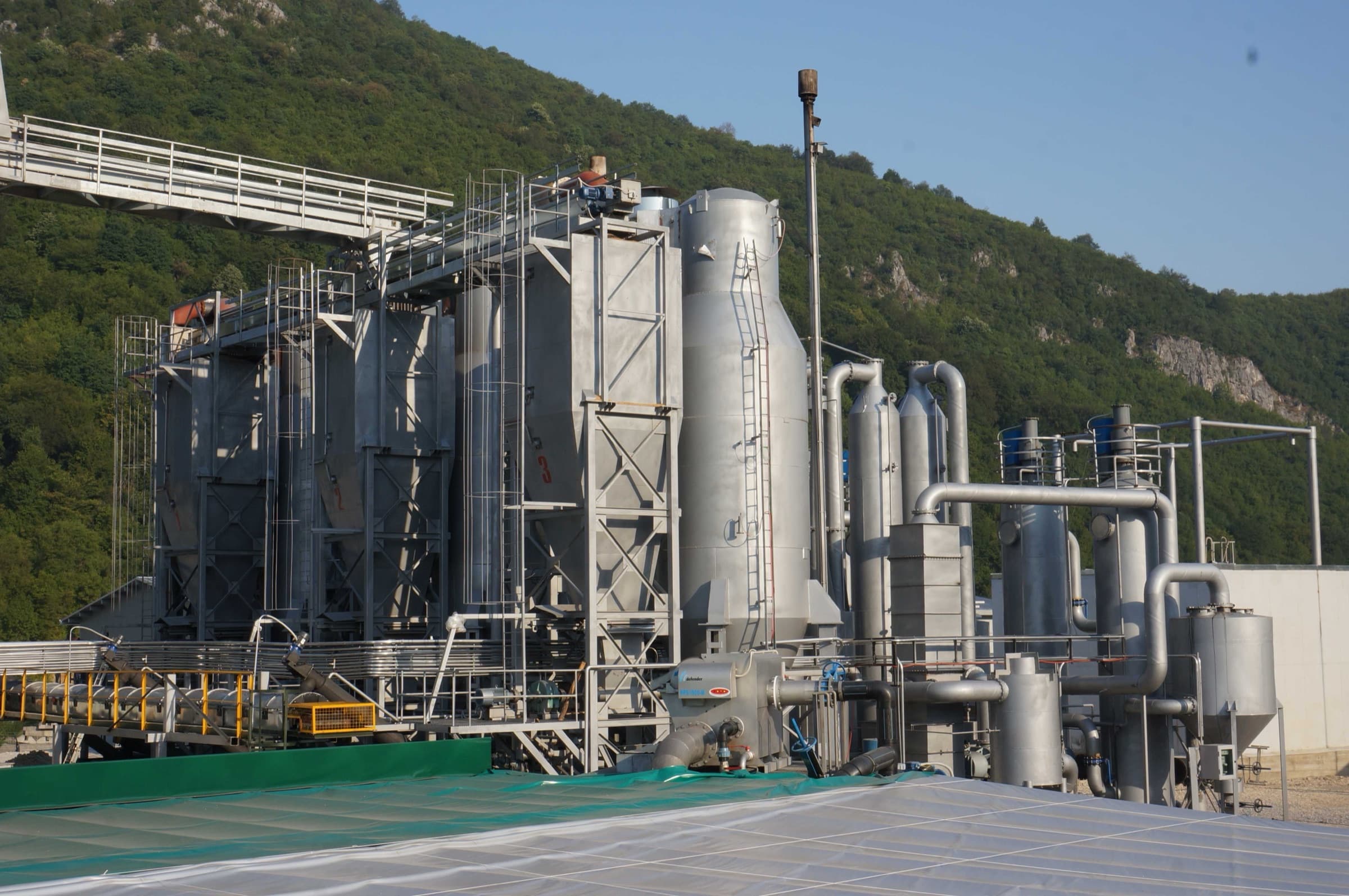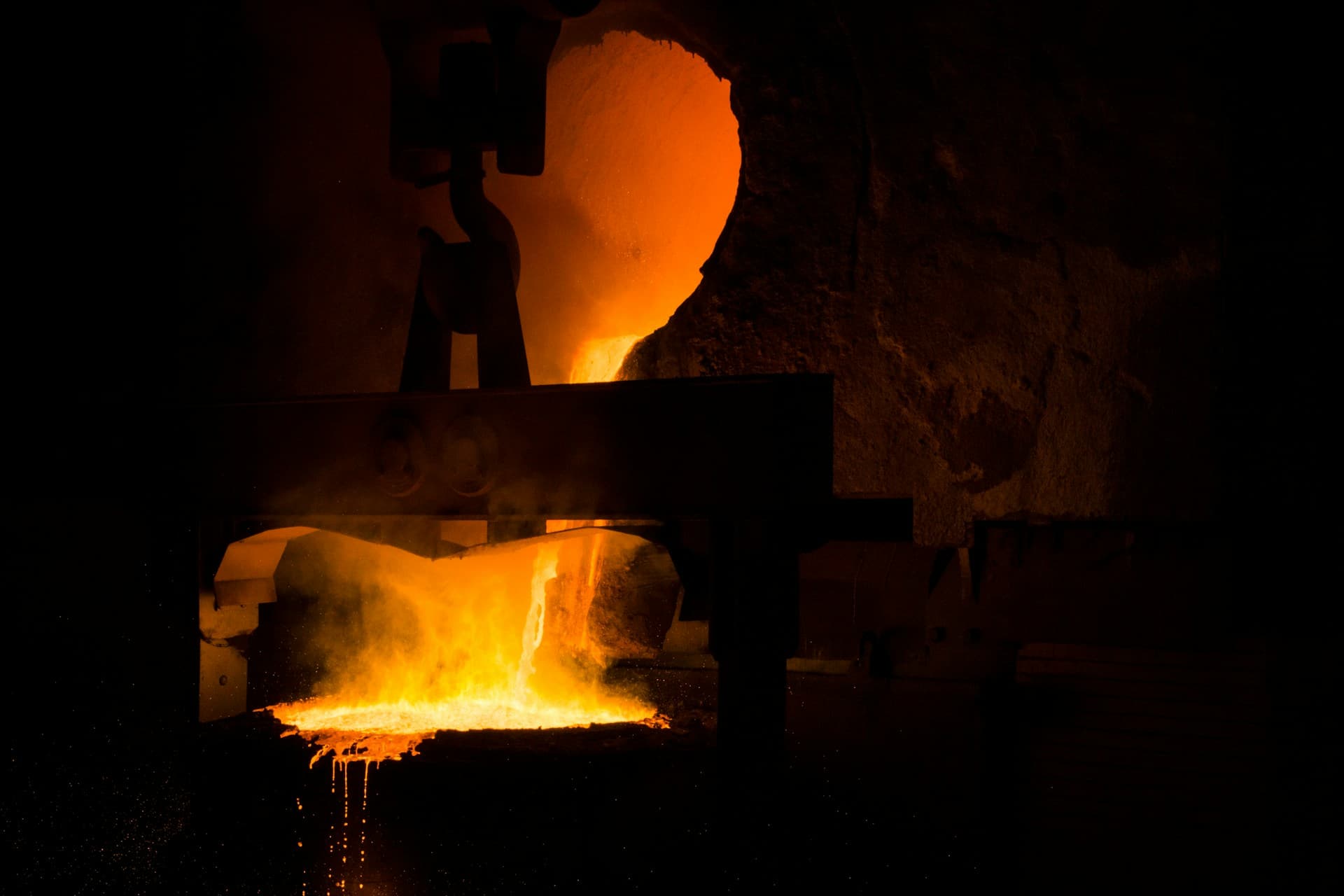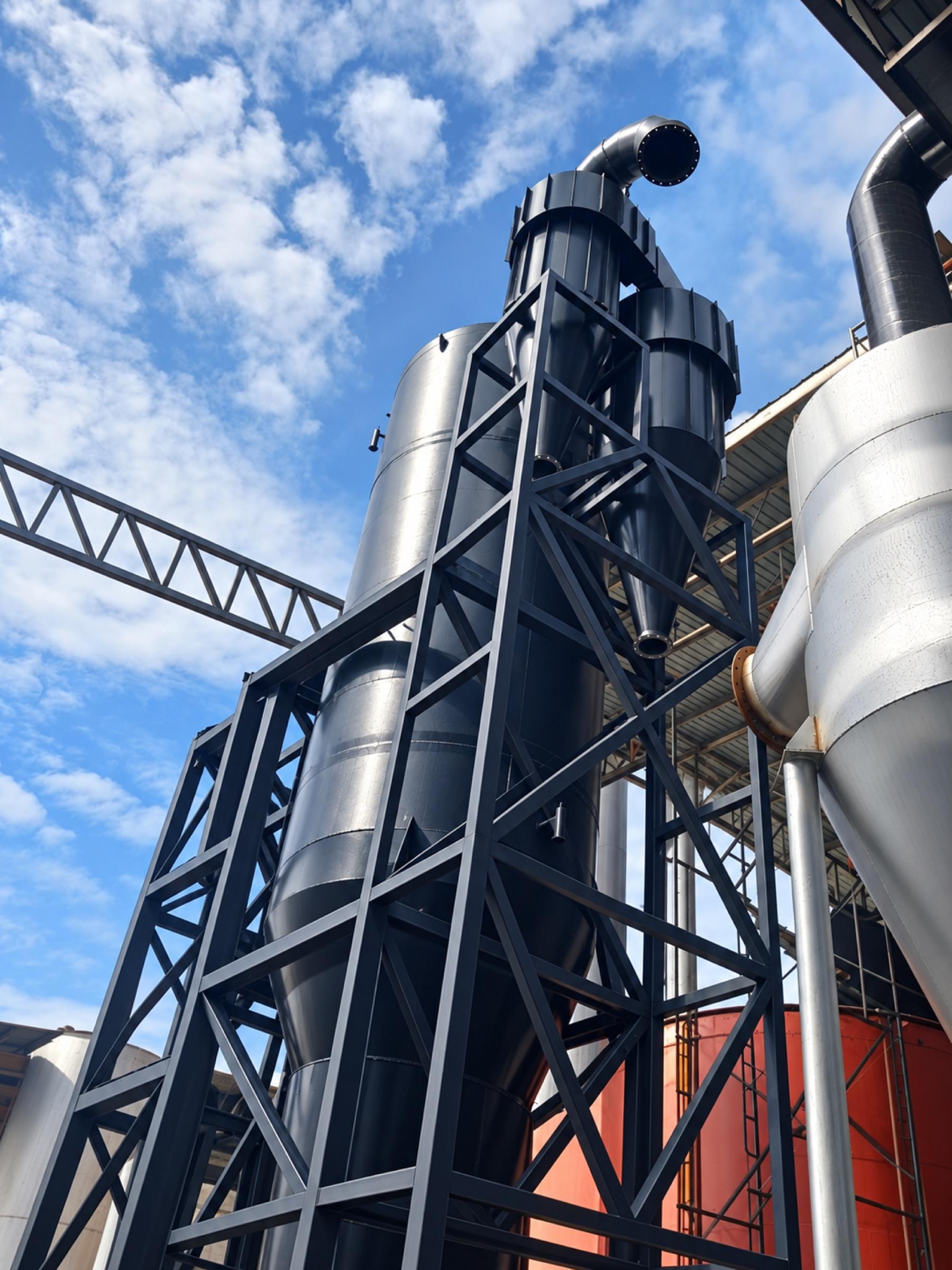
Short answer: One tonne of biomass will typically produce about 3 to 5 tonnes of saturated steam. A sensible screening figure is around 4 tonnes of steam per tonne of biomass when the fuel contains 20 to 30 percent moisture and the boiler converts 75 to 80 percent of the fuel energy into steam.
That range is useful for an early project screen. It is not a guarantee.
The actual steam yield depends on four numbers:
- the biomass lower heating value, stated as received;
- boiler efficiency;
- feedwater temperature;
- steam pressure and whether the steam is saturated or superheated.
Moisture is usually the biggest variable. A tonne of dry wood residue carries much more useful energy than a tonne of wet empty fruit bunch, bark or fresh wood chip. High ash also reduces the combustible portion of every delivered tonne.
For food processors, timber mills, chemical plants and other steam users, the right question is not simply, "How many tonnes of biomass do we have?" It is, "How many gigajoules of usable fuel reach the boiler, and how many gigajoules does each tonne of our steam require?"
The basic calculation
Steam yield can be estimated with a simple energy balance:
Steam per tonne of biomass = biomass energy × boiler efficiency ÷ energy required per tonne of steam
For an illustrative case:
- Biomass lower heating value: 14 GJ per tonne as received
- Boiler efficiency: 78 percent
- Useful energy delivered to steam: 10.92 GJ
- Energy needed to make one tonne of saturated steam at about 10 barg from 25°C feedwater: approximately 2.67 GJ
The result is:
14 GJ/t × 78% ÷ 2.67 GJ/t steam = 4.1 tonnes of steam per tonne of biomass
- 1 tonne of biomass14 GJ as received
- Boiler78 percent efficient
- Useful heat10.92 GJ to steam
- Steam duty2.67 GJ per tonne at 10 barg
- About 4.1 t steamper tonne of biomass
This is why four tonnes of steam per tonne of biomass is a reasonable first estimate for many projects.
The calculation should always use lower heating value, also called net calorific value, on the same moisture basis as the fuel purchase or production data. Mixing dry-basis laboratory results with wet, as-received tonnage creates a misleading answer.
A practical steam-yield table
The table below uses an illustrative woody biomass with a dry net calorific value of about 18.5 MJ/kg, a boiler efficiency of 75 percent, saturated steam near 10 barg and feedwater entering at 25°C.
| Moisture, wet basis | Illustrative LHV as received | Steam per tonne of biomass |
|---|---|---|
| 10% | 16.4 GJ/t | 4.6 t steam |
| 20% | 14.3 GJ/t | 4.0 t steam |
| 30% | 12.2 GJ/t | 3.4 t steam |
| 40% | 10.1 GJ/t | 2.8 t steam |
| 50% | 8.0 GJ/t | 2.2 t steam |
These figures isolate the moisture effect. Real agricultural residues also vary because of ash, chemical composition and unburned carbon losses.
Rice husk can have much more ash than clean wood. Palm kernel shell is often energy dense but needs suitable handling. Empty fruit bunch can contain substantial moisture and may need shredding and drying. Bagasse is commonly burned wet because it is produced onsite in large volumes, but its steam yield per delivered tonne is lower than a dry fuel.
The only defensible final estimate comes from representative fuel testing and the selected boiler supplier's heat balance. See how to assess biomass feedstock for what to test.
Why moisture changes the answer so much
Water adds mass but contributes no fuel energy. It also consumes energy as the boiler heats and evaporates it.
The FAO notes that moisture strongly affects the net calorific value of solid biofuels and recommends using net calorific value for practical bioenergy calculations. Its woodfuel guidance shows how energy content falls as moisture rises.
This matters twice for an industrial project. Wet fuel requires more tonnes to make the same steam, increasing handling, transport and storage per unit of useful heat. Unstable moisture also makes steady boiler operation harder.
A fuel supply that moves from 20 percent moisture in the dry season to 45 percent in the wet season can change the firing rate and steam output even if the conveyor delivers the same tonnes per hour. A credible project therefore needs a moisture range, not a single best-case sample.
Boiler efficiency is not a fixed number
The US Environmental Protection Agency defines biomass boiler efficiency as the share of fuel energy converted into steam energy. For screening combined heat and power calculations, the EPA uses 75 percent as a typical biomass boiler efficiency.
A real plant can operate above or below that figure. Efficiency changes with:
- fuel moisture and ash;
- excess combustion air;
- flue-gas temperature;
- incomplete combustion;
- boiler load;
- fouling and soot;
- blowdown;
- insulation and radiation losses;
- plant maintenance.
A supplier may quote combustion efficiency, thermal efficiency or gross efficiency. Those terms are not automatically interchangeable.
For customer economics, use the useful steam delivered at the agreed battery limit divided by the fuel energy consumed on an as-received basis. This makes auxiliary losses and operating conditions harder to hide.
Feedwater temperature can add roughly 10 percent
The boiler does less work when hot condensate returns from the process.
In the 10 barg example, producing saturated steam from 25°C water requires about 2.67 GJ per tonne of steam. Starting from feedwater near 90°C reduces that requirement to roughly 2.4 GJ per tonne.
Using the same biomass and boiler efficiency, steam yield rises from about 4.1 to approximately 4.5 tonnes per tonne of biomass.
That gain depends on recovering condensate, controlling contamination and keeping the return system in good condition. Still, condensate return is often one of the most valuable efficiency measures in a steam project because it saves fuel, water and water-treatment chemicals.
The US Department of Energy's steam-system sourcebook treats condensate recovery, heat recovery and boiler controls as core parts of system performance. A new biomass plant should be designed around the whole steam loop, not just the boiler island.
Does steam pressure make a big difference?
Steam pressure matters, but usually less than fuel moisture or boiler efficiency for saturated-steam projects.
The energy needed to make saturated steam changes only modestly across many common industrial pressures. Superheating adds energy demand, while hot feedwater reduces it. Pressure also affects equipment design, safety, condensate behaviour and the process heat-transfer temperature.
A site should not select steam pressure to improve a headline tonnes-per-tonne number. Pressure should be set by the process users, distribution losses and the most demanding equipment on the network.
Use the actual operating pressure and temperature in the final heat balance.
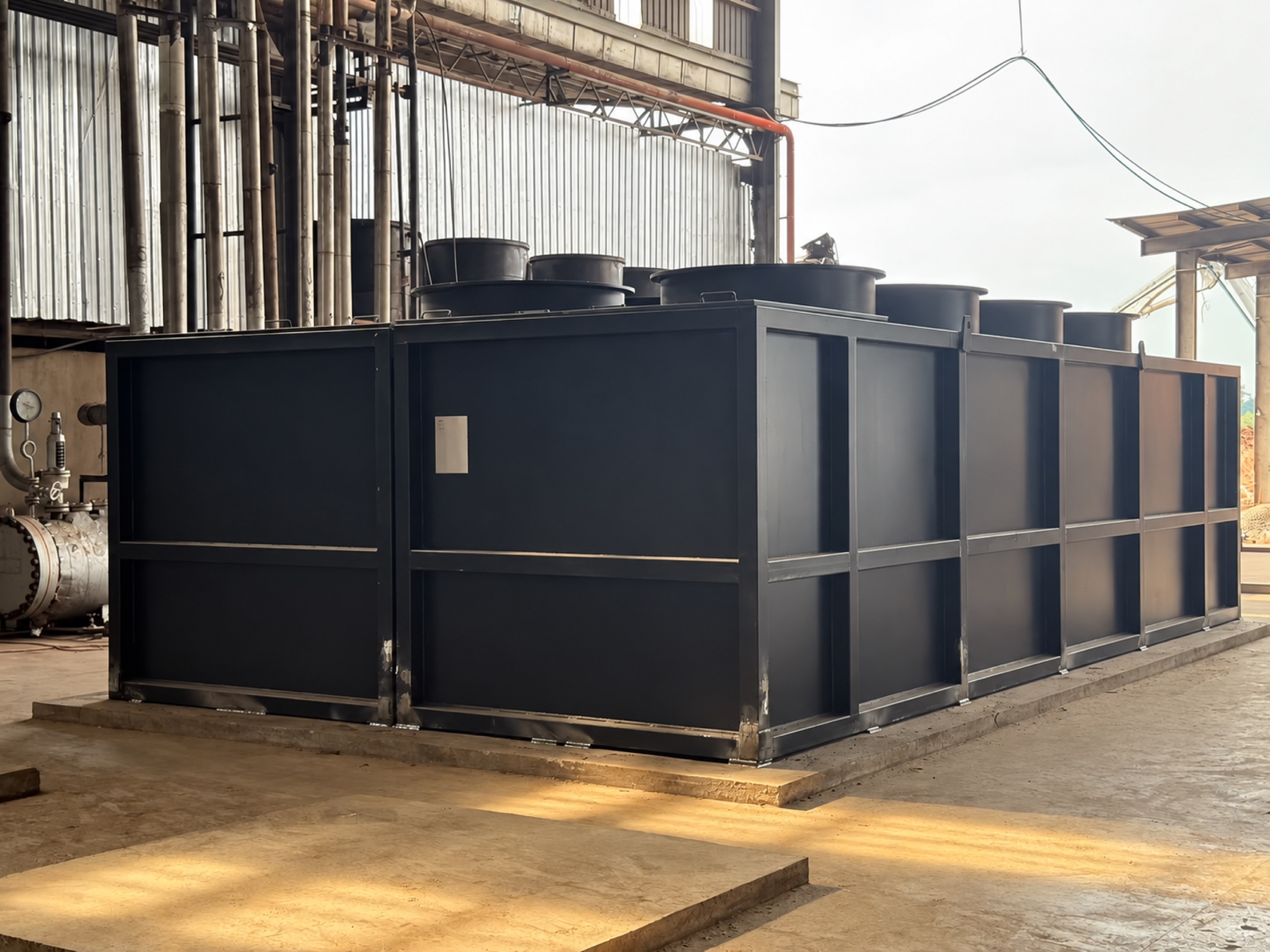
Direct steam boiler or biomass CHP?
The highest steam yield per tonne normally comes from using biomass directly for heat. If the site also needs electricity, combined heat and power can create more total value from the fuel, but part of the energy is converted into electricity before the remaining heat is recovered.
| Configuration | Best suited to | Effect on steam yield | Main decision |
|---|---|---|---|
| Biomass boiler | Large, steady steam load | Usually highest steam output per tonne | Can the process absorb steam throughout the year? |
| Gasification CHP with heat recovery | Sites needing electricity and heat | Lower export steam because some energy becomes electricity | Does total power and heat value beat heat-only? |
| Renewable gas to an existing boiler | Sites needing gaseous fuel or equipment reuse | Additional conversion losses before the boiler | Is flexibility worth the efficiency trade-off? |
The correct comparison is total useful energy and customer cost, not steam output alone.
For a factory purchasing expensive grid power and fossil fuel, CHP may produce less steam per tonne but save more money overall. For a mill with cheap electricity and a constant thermal load, direct steam may be simpler and more efficient. For the gas route, see renewable gas for industrial heat.
Turning the estimate into annual fuel demand
Once steam yield is known:
Annual biomass = annual steam demand ÷ steam produced per tonne of biomass
Suppose a factory requires 12 tonnes of steam per hour for 7,500 hours a year.
12 t/h × 7,500 h = 90,000 tonnes of steam per year
At four tonnes of steam per tonne of biomass:
90,000 ÷ 4 = 22,500 tonnes of biomass per year
That annual figure is only the starting point. The fuel plan must also cover peak hourly demand, boiler turndown, seasonal production, wet-season fuel quality, maintenance, backup fuel, storage losses and a supply margin above modelled consumption.
If the process is seasonal, monthly matching matters more than the annual average. A sugar mill may produce fuel and use steam intensively during crushing, while a food factory may operate throughout the year. The plant design, storage and contracts should match the real operating pattern. For the electricity side of the same question, see how much biomass a 1 MW plant needs.
What data should a factory collect?
A useful first assessment needs more than an annual fuel tonnage and a boiler nameplate.
Collect:
- hourly or daily steam demand;
- steam pressure, temperature and quality;
- annual operating hours and shutdown periods;
- current boiler fuel consumption;
- condensate return percentage and temperature;
- make-up water temperature;
- biomass tonnes by month;
- moisture, ash and lower heating value from representative samples;
- residue ownership, current use and delivered cost;
- available storage and fuel-preparation equipment.
If the site does not meter steam, fuel use, water balance and production data can help reconstruct an initial demand profile. Temporary metering before final design is usually cheaper than oversizing the plant.
The practical answer
For an early screen, use 3 to 5 tonnes of steam per tonne of biomass.
Use the lower end for wet or high-ash agricultural residue. Use the upper end for dry, energy-dense fuel, efficient equipment and warm feedwater.
Then replace the rule of thumb with three project-specific inputs:
- representative as-received fuel analysis;
- measured steam demand and condensate-return data;
- a supplier heat balance at the required steam condition.
CNP develops, finances, builds and operates onsite energy systems for agricultural processors and heavy industry. If your site has a steady steam demand and access to biomass residue, send CNP your steam and fuel data for an initial assessment.