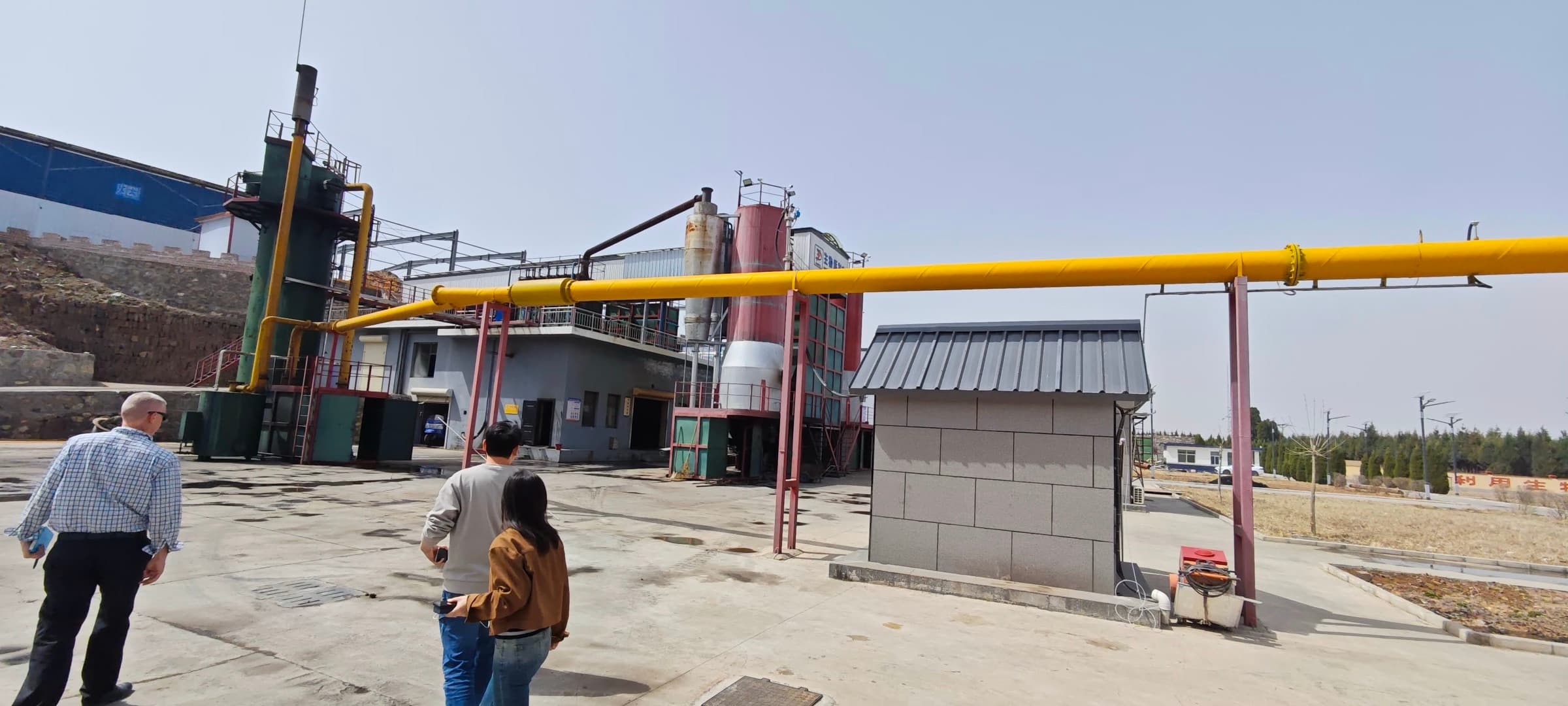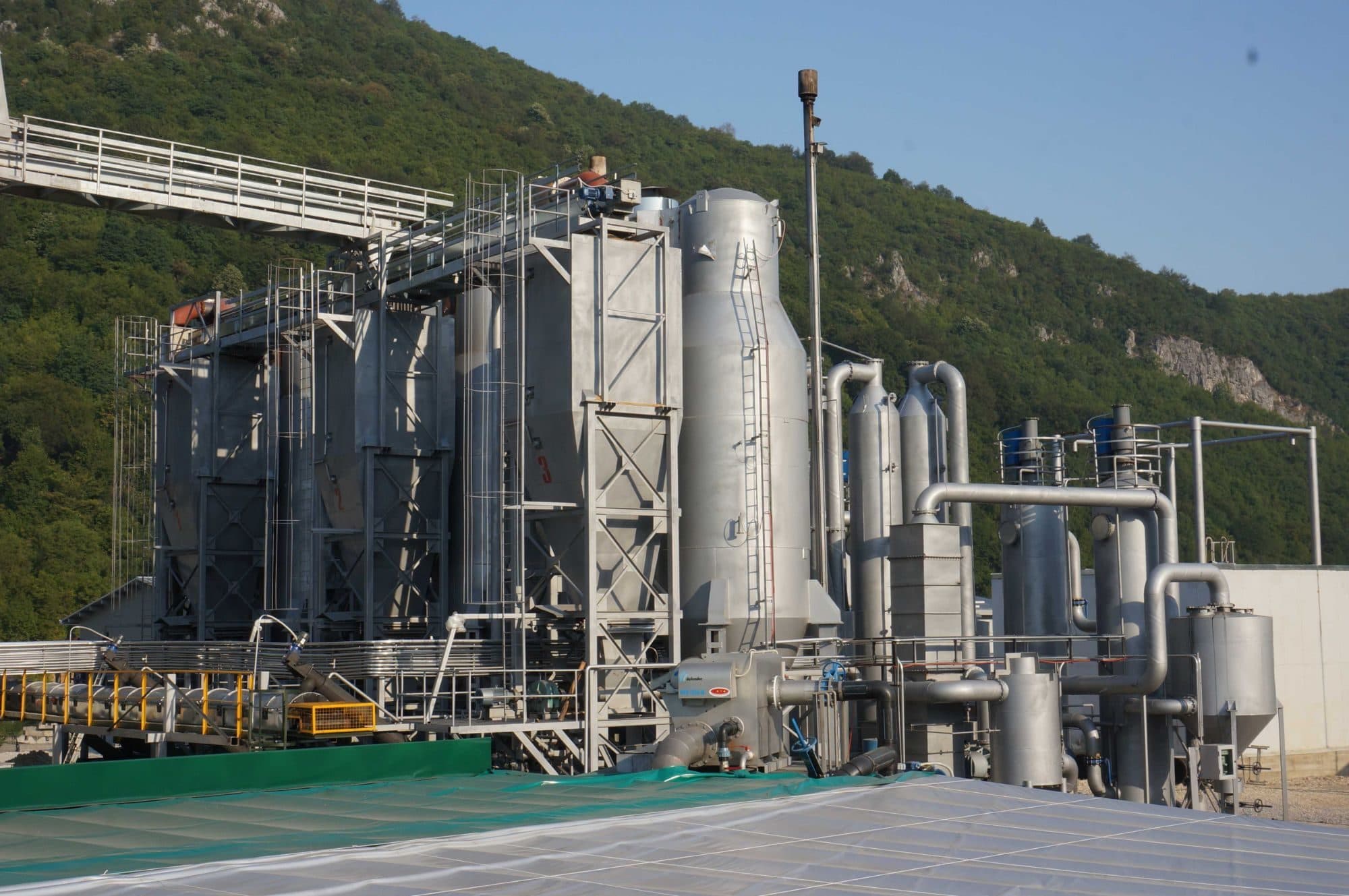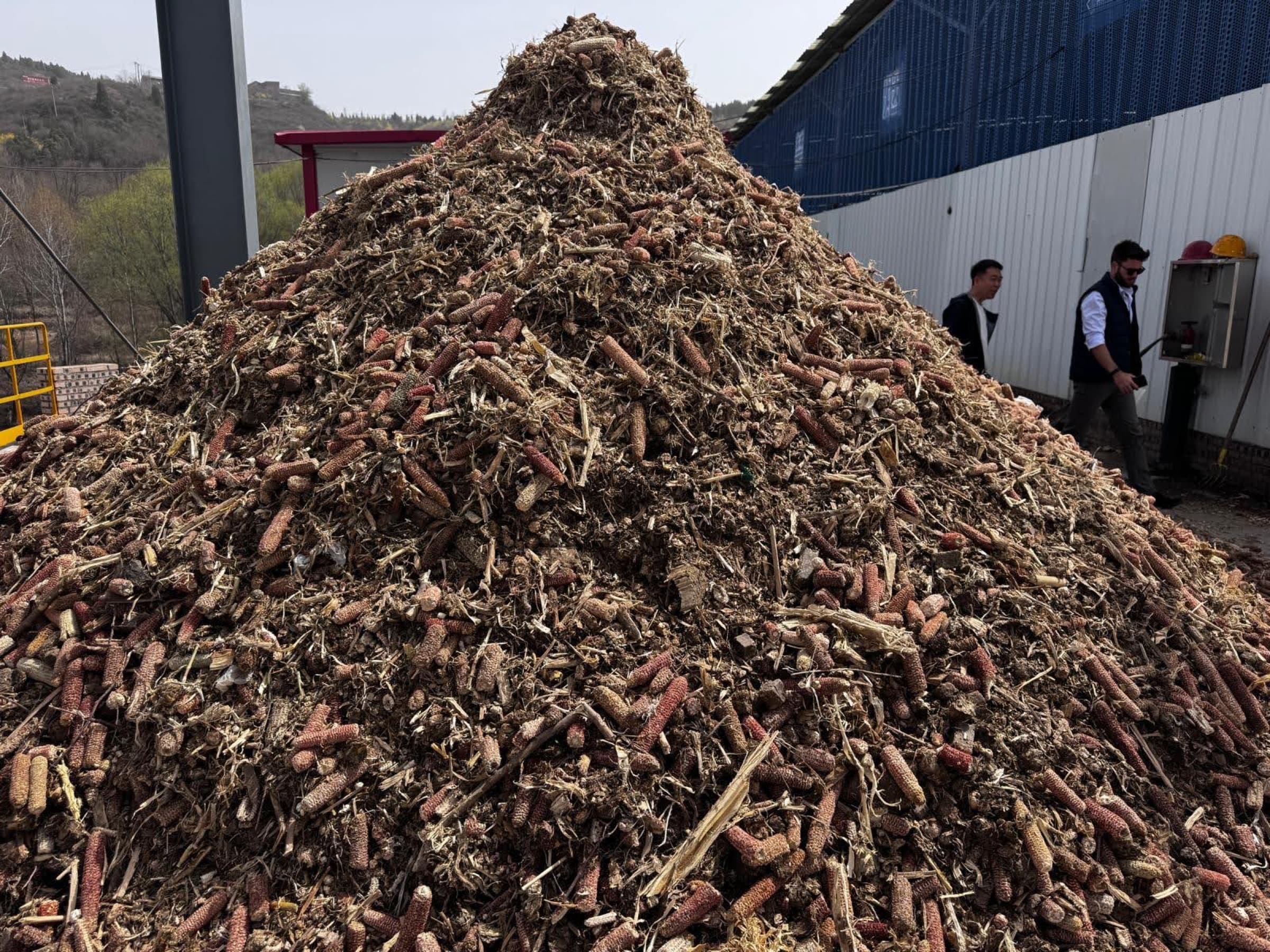
Short answer: biomethanol is methanol made from biomass instead of fossil fuels. It is the same molecule as conventional methanol. A plant gasifies woody biomass into syngas, cleans and conditions the gas, and passes it over a catalyst to make methanol, which is then distilled to fuel grade.
Methanol is one of the most widely traded chemicals in the world, at roughly 100 million tonnes a year, and almost all of it is made from natural gas or coal. Biomethanol keeps the product and changes the source of the carbon. That matters to buyers who need lower-carbon fuel and chemical feedstock without changing their engines or processes.
How biomethanol is made
- BiomassCertified woody feedstock, prepared and dried
- GasificationHeat and oxygen or steam turn biomass into syngas
- CleanupTars, particulates and contaminants removed
- ConditioningGas adjusted to the right balance for synthesis
- SynthesisCatalyst converts syngas to crude methanol
- DistillationFuel-grade biomethanol
1. Gasification
Biomass is heated in a controlled, oxygen-limited environment. Instead of burning, it breaks down into a gas made mainly of carbon monoxide, hydrogen and carbon dioxide, with some methane, water and ash. This gas is called syngas. Our guide to how biomass gasification works covers this step in more detail.
2. Cleanup
Raw syngas carries tars, dust and trace contaminants that would damage the catalyst downstream. The gas is cooled, filtered and scrubbed. This is often the hardest part of the plant to get right, and it is where operating experience matters most.
3. Conditioning
Methanol synthesis needs the right ratio of hydrogen to carbon. Biomass syngas is usually short of hydrogen, so the gas is conditioned to correct the balance and to remove excess carbon dioxide and sulphur. Plants differ in how they do this, and the choice affects how much methanol each tonne of biomass produces.
4. Synthesis and distillation
The conditioned gas is compressed and passed over a catalyst, where it forms crude methanol. Distillation then removes water and by-products to give fuel-grade methanol that meets the buyer's specification.
What makes it renewable
Chemically there is no difference between methanol from biomass and methanol from gas. The difference is documented. The biomass must come from a certified, sustainable supply, and the finished fuel is tracked through a certification scheme such as ISCC EU, which supports compliance with rules like the EU's Renewable Energy Directive. That is why feedstock sourcing and certification are as important as the plant itself.
Where it is used
- Marine fuel. Shipping lines operating methanol-capable vessels need lower-carbon methanol. See biomethanol as a marine fuel.
- Chemicals. Methanol is a building block for formaldehyde, acetic acid and many everyday materials.
- Further fuel routes. Renewable methanol can feed other fuel pathways as they develop.
Is it commercial yet?
Yes, at a modest scale. In December 2025, a 50,000 tonne a year biomass-to-methanol plant in Zhanjiang, China, held its commercial operation ceremony. We look at what that plant and others show in what China's first commercial biomass-to-methanol plants show.
CNP develops biomethanol plants built on gasification. Read about our biomethanol solution and our US project in development, or register your interest.