Short answer: European rules under FuelEU Maritime already reward lower-carbon fuel, and methanol-capable ships are entering service, which supports demand for biomethanol. Global IMO rules remain uncertain, and ordering of methanol-fuelled ships has slowed against LNG. Demand is real but exposed to policy risk.
Shipping is under pressure to cut emissions, and methanol is one of the fuels shipowners are adopting. Whether biomethanol earns a premium depends on regulation, and regulation is moving unevenly.
- Rules set targetsFuelEU Maritime and the IMO framework
- Ships need fuelMethanol-capable vessels enter service
- Fuel must qualifyCertified under RED-based schemes
- Biomethanol suppliedFrom certified biomass
- Credit earnedLower greenhouse gas intensity
FuelEU Maritime
FuelEU Maritime applies to energy used on ships calling at EU ports. It sets a limit on greenhouse gas intensity, measured in grams of CO2 equivalent per megajoule, against a 2020 baseline of 91.16 gCO2e/MJ. The required reduction is:
| Year | Reduction from baseline |
|---|---|
| 2025 | 2% |
| 2030 | 6% |
| 2035 | 14.5% |
| 2040 | 31% |
| 2045 | 62% |
| 2050 | 80% |
Ships can meet the limit by using lower-carbon fuels, by pooling compliance with other ships, or by paying a penalty. Renewable fuels of non-biological origin earn an additional multiplier until the end of 2033. Because the targets rise steadily, demand for certified low-carbon fuel is expected to grow with them.
The IMO net-zero framework
The International Maritime Organization has been developing a global fuel standard and pricing framework. In October 2025, member states voted 57 to 49, with 21 abstentions, to adjourn the extraordinary session adopting it for one year. Later reporting says the vote was postponed again, with a new session expected in December 2026. Treat the timing as unconfirmed and check the IMO for the current position. Until a global framework is in force, regional rules such as FuelEU Maritime and the EU Emissions Trading System carry the weight.
RED and certification
Methanol sold into European fuel markets generally has to meet the EU's Renewable Energy Directive. For biofuels that means certified sustainable feedstock and a greenhouse gas saving of at least 65% against a 94 gCO2e/MJ fossil comparator, a ceiling of about 32.9 gCO2e/MJ. Price assessments for low-carbon marine methanol use the same cap, certified under ISCC EU. The saving is proven plant by plant through an independent calculation, so a producer should not promise a figure before that work is done.
What the market is doing
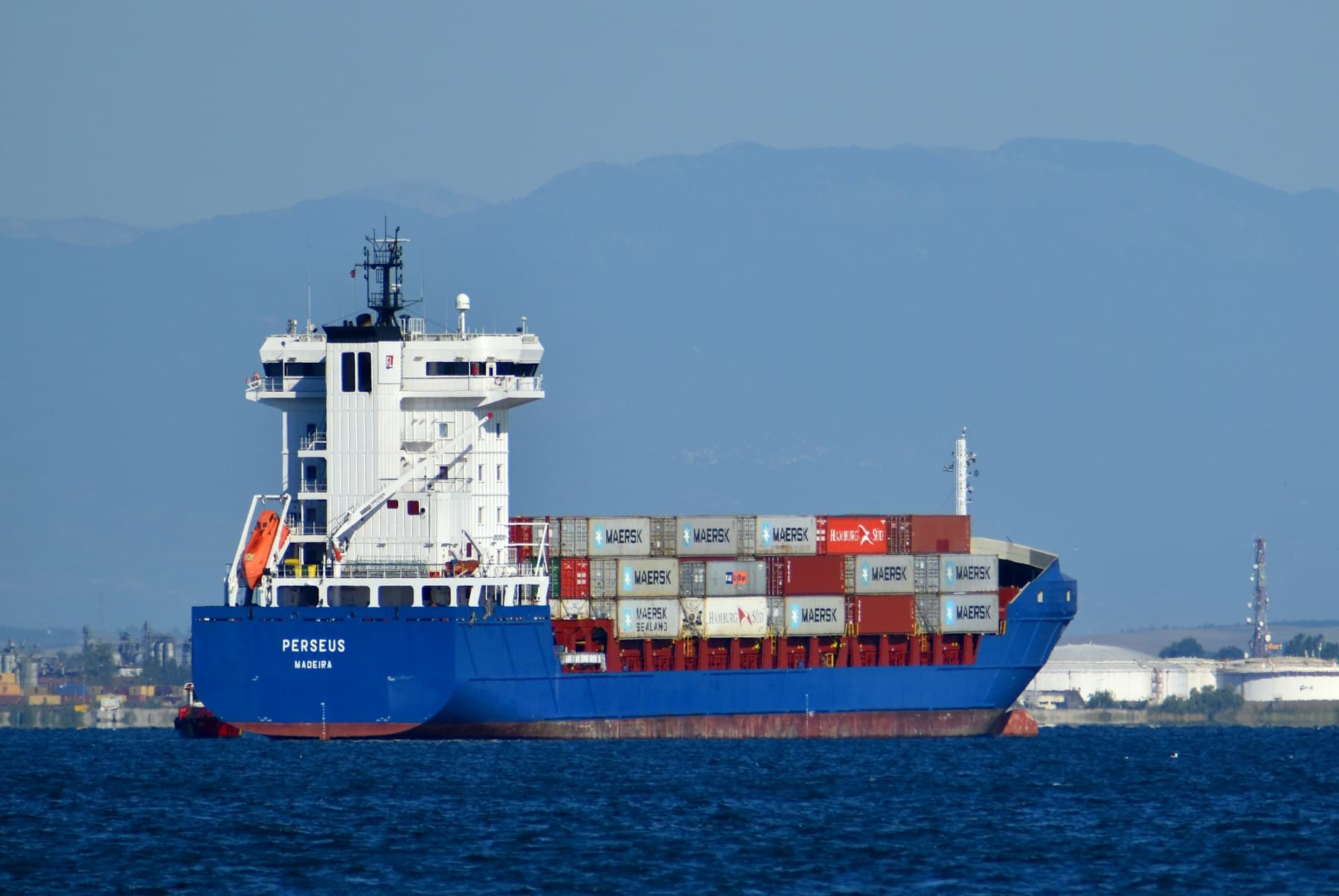
Methanol ships are being delivered, and major container lines have ordered methanol-capable vessels. At the same time, trade-press summaries of DNV's Alternative Fuels Insight data indicate that new ordering of methanol-fuelled ships has slowed in 2026, with LNG taking most orders. Check the DNV data directly for current counts.
What this means for producers and buyers
- Plan for policy risk. Rules may be delayed or amended. Diversify buyers across marine and chemical markets.
- Certify early. Buyers will want a documented chain of custody from feedstock to delivery.
- Contract in stages. Tie capacity to committed offtake rather than assumed demand.
CNP is developing a biomethanol plant in the United States, with first supply targeted for Q2 2029 and produced to qualify under ISCC EU and RED III. Read about the project or register your interest.