Short answer: biomass to methanol and biomass to synthetic natural gas (SNG) start the same way, with gasification and gas cleanup, then split. Methanol synthesis makes a liquid that ships anywhere. Methanation makes a gas that needs a pipeline. The better route depends on who will buy the product.
Gasification turns biomass into syngas, a mixture of carbon monoxide, hydrogen and carbon dioxide. What happens next decides the product.
- BiomassWoody feedstock
- GasificationBiomass to syngas
- CleanupTars and particulates removed
- Route splitsMethanol synthesis or methanation
- ProductBiomethanol or SNG
What the two routes share
- Feedstock handling. Both need consistent, dry, certified biomass.
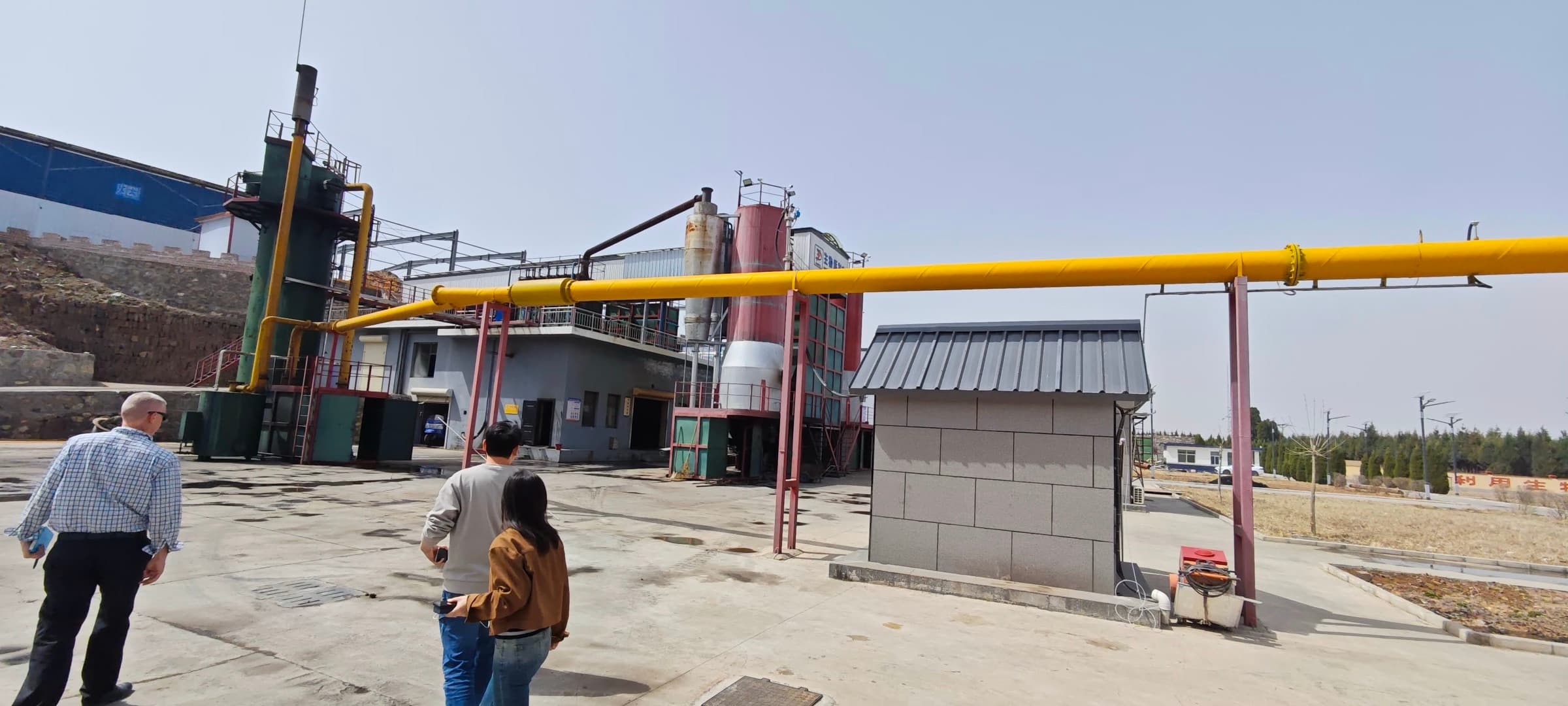
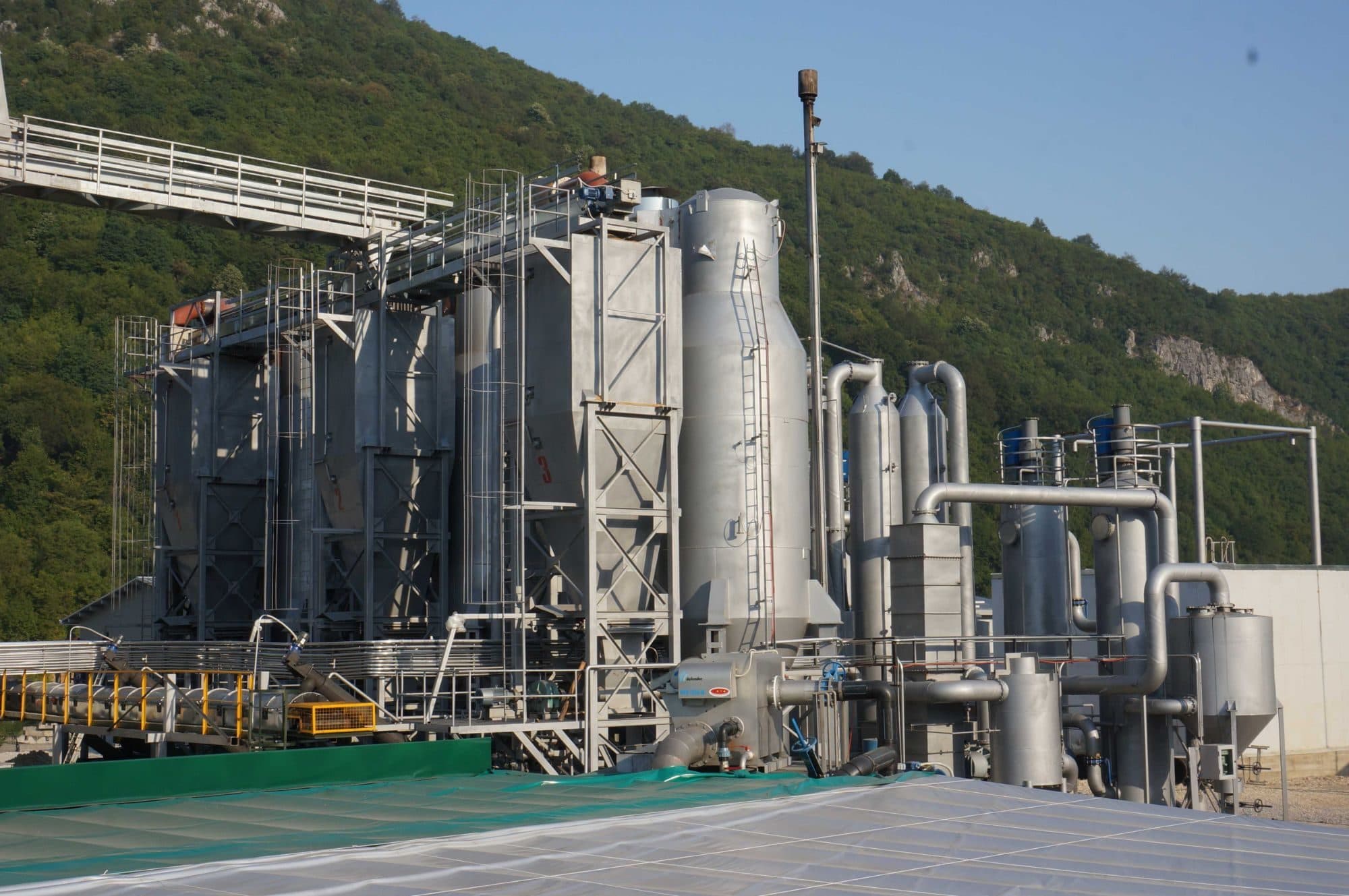
- Gasification. The same type of reactor can serve either route.
- Gas cleanup. Tars, dust and sulphur must be removed before any catalyst sees the gas, and this is often the hardest stage to run reliably.
Where they split
| Biomass to methanol | Biomass to SNG | |
|---|---|---|
| Conditioning | Adjust hydrogen-to-carbon balance for methanol synthesis | Adjust for methanation and remove carbon dioxide |
| Catalyst step | Methanol synthesis loop | Methanation reactor |
| Product | Liquid methanol, CH3OH | Methane gas, CH4 |
| Upgrading | Distillation to fuel grade | Drying and conditioning to pipeline specification |
| Delivery | Road, rail, barge or tanker | Gas pipeline, or compressed gas by truck |
| Main buyers | Marine fuel, chemicals, fuel blenders | Gas utilities and industrial heat users |
How to choose
Where is the buyer?
SNG needs a pipeline connection close to the plant. Methanol can travel, so it can serve buyers far from the site, including international ones.
What is the policy credit?
Both can qualify under renewable energy rules, but the credit differs by market. Methanol is pulled by shipping and chemical demand. SNG is pulled by gas network decarbonisation and industrial heat. See biomass to synthetic natural gas for the gas route.
What is the scale?
A single methanol plant sells into a global commodity market. SNG output is limited by what a local network can take.
What does the plant cost?
Capital cost depends on the route, the scale and the site, so compare specific designs rather than rules of thumb.
Why this matters
Because the front end is shared, a developer with gasification experience can assess both routes for a given site and feedstock and pick the one with the stronger market. CNP develops gasification plants and, with the growth of marine fuel demand, is developing biomethanol. Read about our biomethanol solution and renewable gas solution, or register your interest.