Short answer: China is the first place to bring biomass-to-methanol plants to commercial operation. A 50,000 tonne a year plant at Zhanjiang held its commercial operation ceremony in December 2025 and reported ISCC EU certification. The public record is useful but not complete, and sources disagree on several details.
For years, biomass-to-methanol was mostly pilot projects and studies. China now has plants in operation and others in build. This note sets out what the public record shows and where it is uncertain. All figures come from trade press and company announcements.
- 2024 to 2025Plants under construction
- Nov 2025ISCC EU certification reported at Zhanjiang
- Dec 2025Commercial operation ceremony, 50,000 t/yr
- Early 2026Ramp-up reported around 80% of capacity
- 2027Expansions announced or planned
The Zhanjiang plant
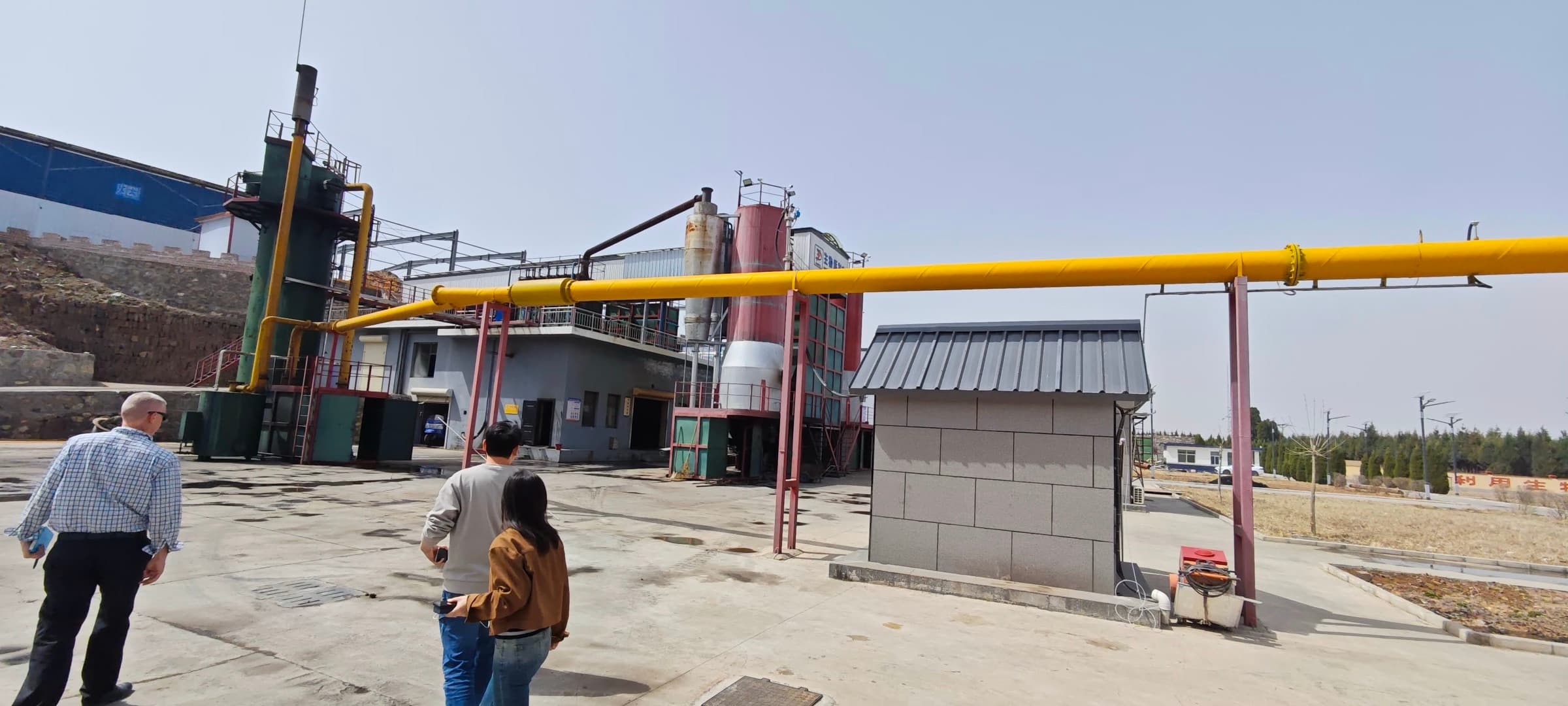
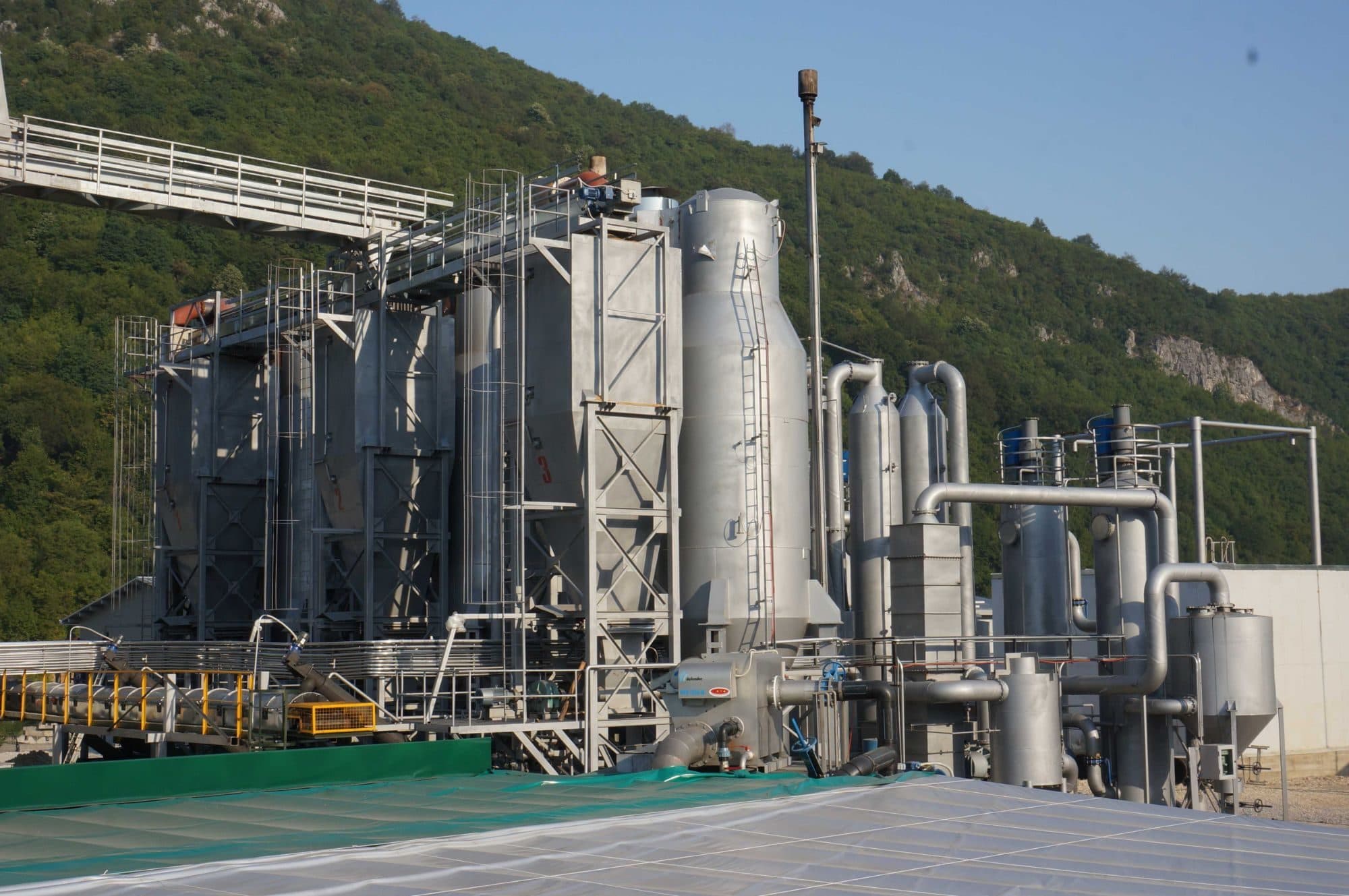
CIMC Enric's 50,000 tonne a year biomethanol plant in Zhanjiang, Guangdong, held its commercial operation date ceremony on 16 December 2025. Argus describes it as China's first newly built pure biomass gasification-based green methanol plant to enter commercial operation. The company reported ISCC EU certification on 3 November 2025, with greenhouse gas savings of more than 85% on an ex-factory basis. Argus reported the plant operating at around 80% of capacity, while another outlet said full capacity was expected in early 2026.
Reports differ on the feedstock. Argus describes forest residues in a fluid-bed gasifier, while Biofuels Digest describes straw collected from nearby farmland. Reports also differ on the planned expansion. One says a second phase would add up to 200,000 tonnes a year by 2027, while another gives a total of 200,000 tonnes.
Other plants
- Taonan, Jilin. Clariant has described a 50,000 tonne a year plant here as China's first biomass-to-methanol project. This conflicts with the Zhanjiang "first" claim, which shows how loosely the word is used.
- Guangxi. A Johnson Matthey-technology project was reported with a first phase of 75,000 tonnes a year of biomethanol, with construction not yet begun at the time of that report.
What the record supports
- The route works commercially. Plants of 50,000 tonnes a year are running or commissioning.
- Certification is achievable. ISCC EU certification at an ex-factory greenhouse gas saving above 85% was reported.
- Early ramp-up is gradual. Operation at around 80% soon after the ceremony is typical of new gasification plants.
What it does not show
- Long-run availability. One commissioning year does not establish annual output.
- Economics. Public sources do not give plant cost or margin.
- Transferability. Feedstock supply, regulation, logistics and offtake differ by country.
Why it matters
The route is no longer theoretical. For buyers, it shows the fuel can be produced and certified. For developers elsewhere, it shows which questions to answer: feedstock security, certification, ramp-up and offtake. CNP is developing a biomethanol plant in the United States, with first supply targeted for Q2 2029. Read about our biomethanol solution and project, or register your interest.