Short answer: grey, blue, bio and e-methanol are the same molecule, CH3OH. What differs is the source of the carbon and the energy used to make it, and therefore the fuel's certified greenhouse gas performance. Buyers should compare certified carbon intensity and supply, not colour labels.
The methanol market is full of colour names, and they are used loosely. This guide sets out what each one means and the questions to ask before agreeing to buy.
The four types
| Type | Carbon source | Energy source | Typical status |
|---|---|---|---|
| Grey methanol | Natural gas or coal | Fossil | Almost all methanol today |
| Blue methanol | Natural gas or coal | Fossil, with carbon dioxide captured | Early stage |
| Biomethanol | Biomass | Biomass itself, plus some power | Early commercial scale |
| E-methanol | Captured carbon dioxide | Renewable electricity via green hydrogen | Early commercial scale |
Biomethanol
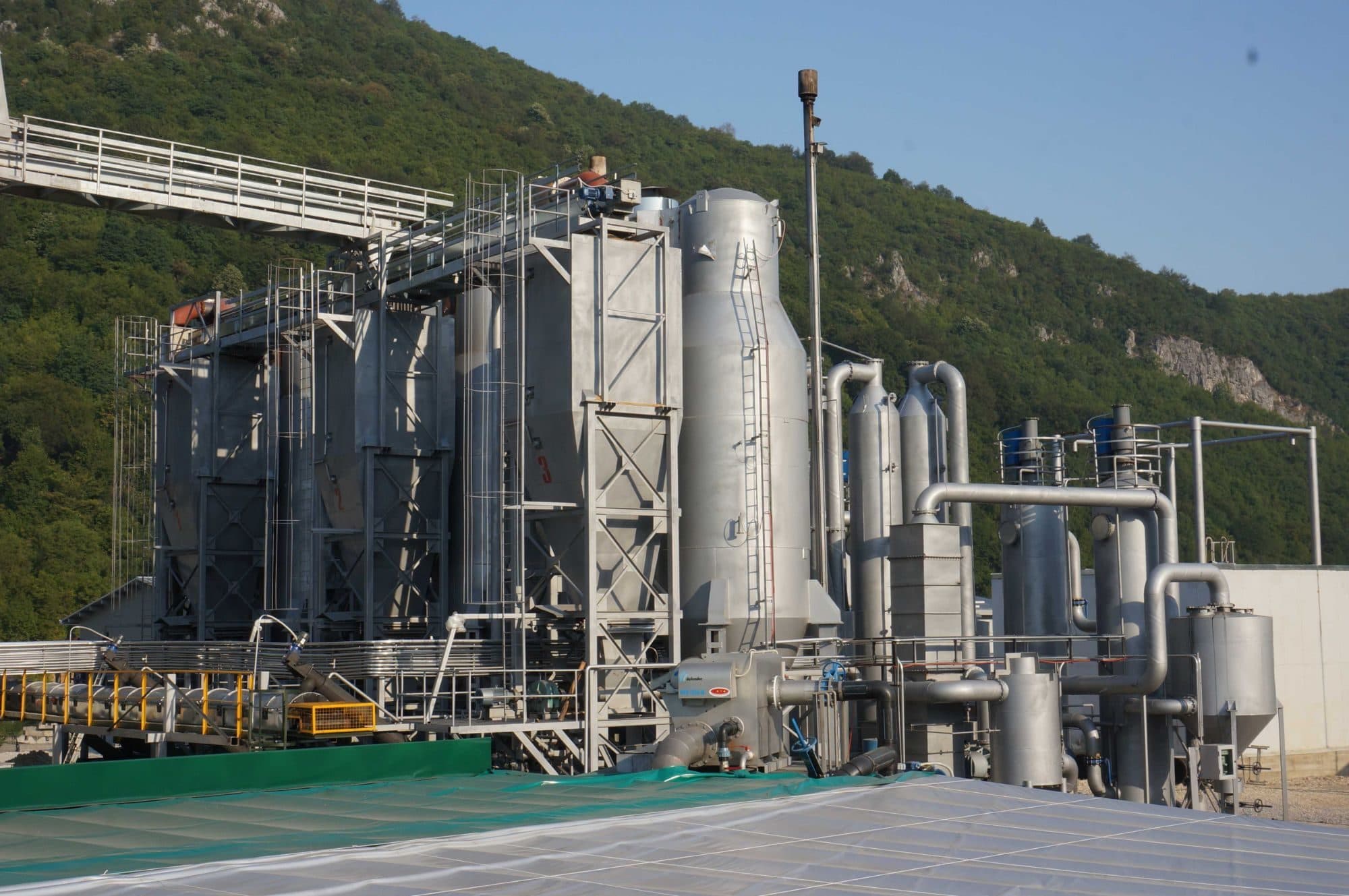
Biomass is gasified into syngas, cleaned and converted to methanol. The carbon comes from plants that absorbed it from the atmosphere, so it is called biogenic carbon. The biomass supplies much of the energy needed, which keeps electricity demand low compared with e-methanol. See how biomethanol is made.
E-methanol
E-methanol combines green hydrogen from water electrolysis with carbon dioxide captured from industrial sources, biogenic sources or the air. It needs large amounts of renewable electricity, so its economics depend on cheap, abundant power and a dependable carbon dioxide supply.
Grey and blue methanol
Grey methanol is the conventional product. Blue methanol adds carbon capture to a fossil process. Both remain fossil-based, which limits the credit they earn under fuel rules that reward renewable origin.
What buyers should ask
- What is the feedstock, and who certifies it? Look for a recognised scheme such as ISCC EU.
- What is the certified carbon intensity? Methanol assessed as low-carbon marine fuel is commonly capped at a maximum of 32.9 gCO2e/MJ, which is 65% below a 94 gCO2e/MJ fossil comparator.
- Can the supplier show a continuous chain of custody from feedstock to delivery?
- How is supply secured? Look for long-term feedstock arrangements and a clear plant schedule.
- What is the delivery point and logistics plan?
Which is right for which place?
Bio and e-methanol are complements, not rivals. Regions with large sustainable forestry and agricultural residues suit biomethanol. Regions with very cheap renewable electricity and carbon dioxide sources suit e-methanol. Many buyers will use both.
CNP develops biomethanol plants built around local biomass. See our biomethanol solution or register your interest in our project in development.