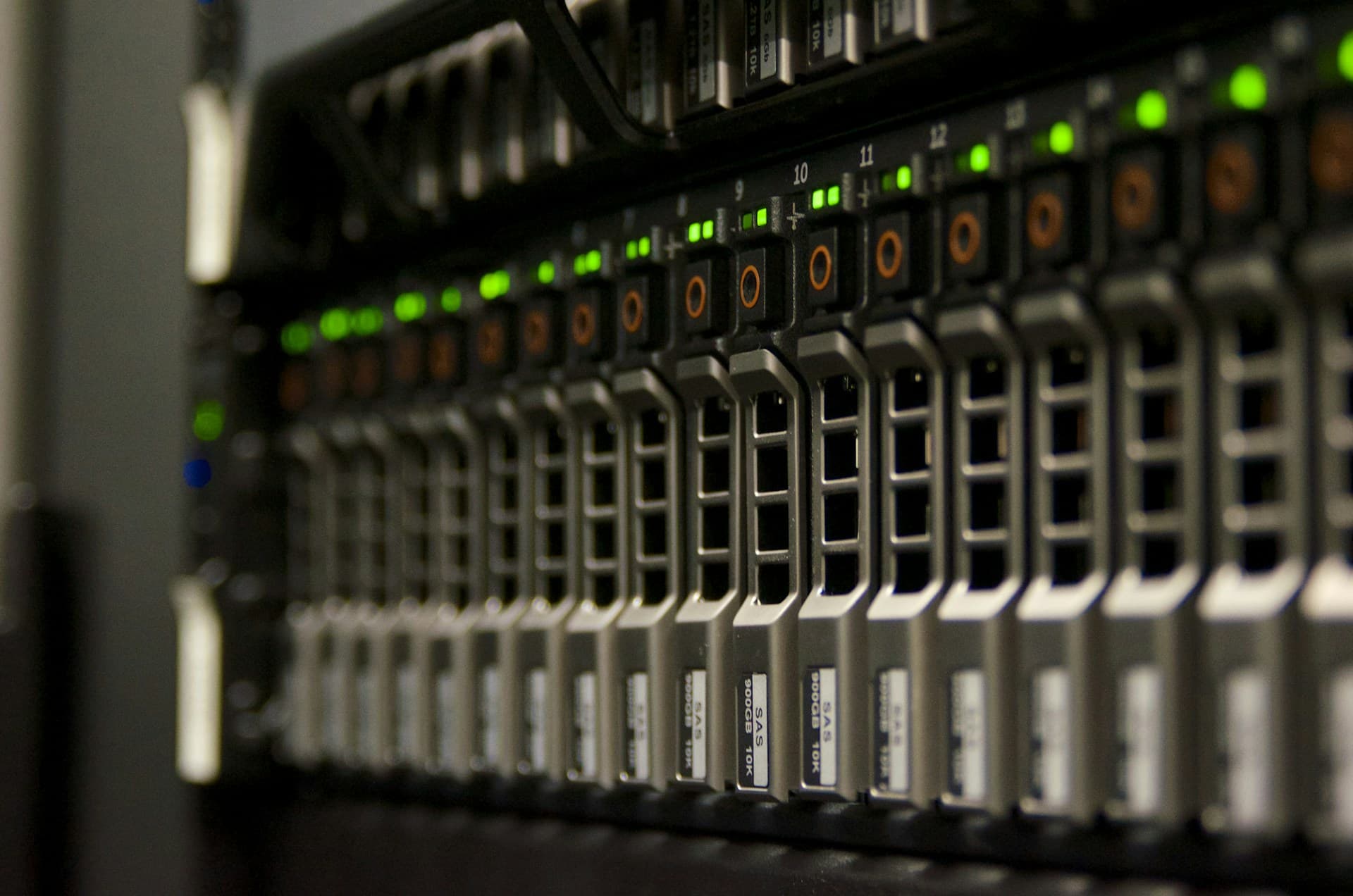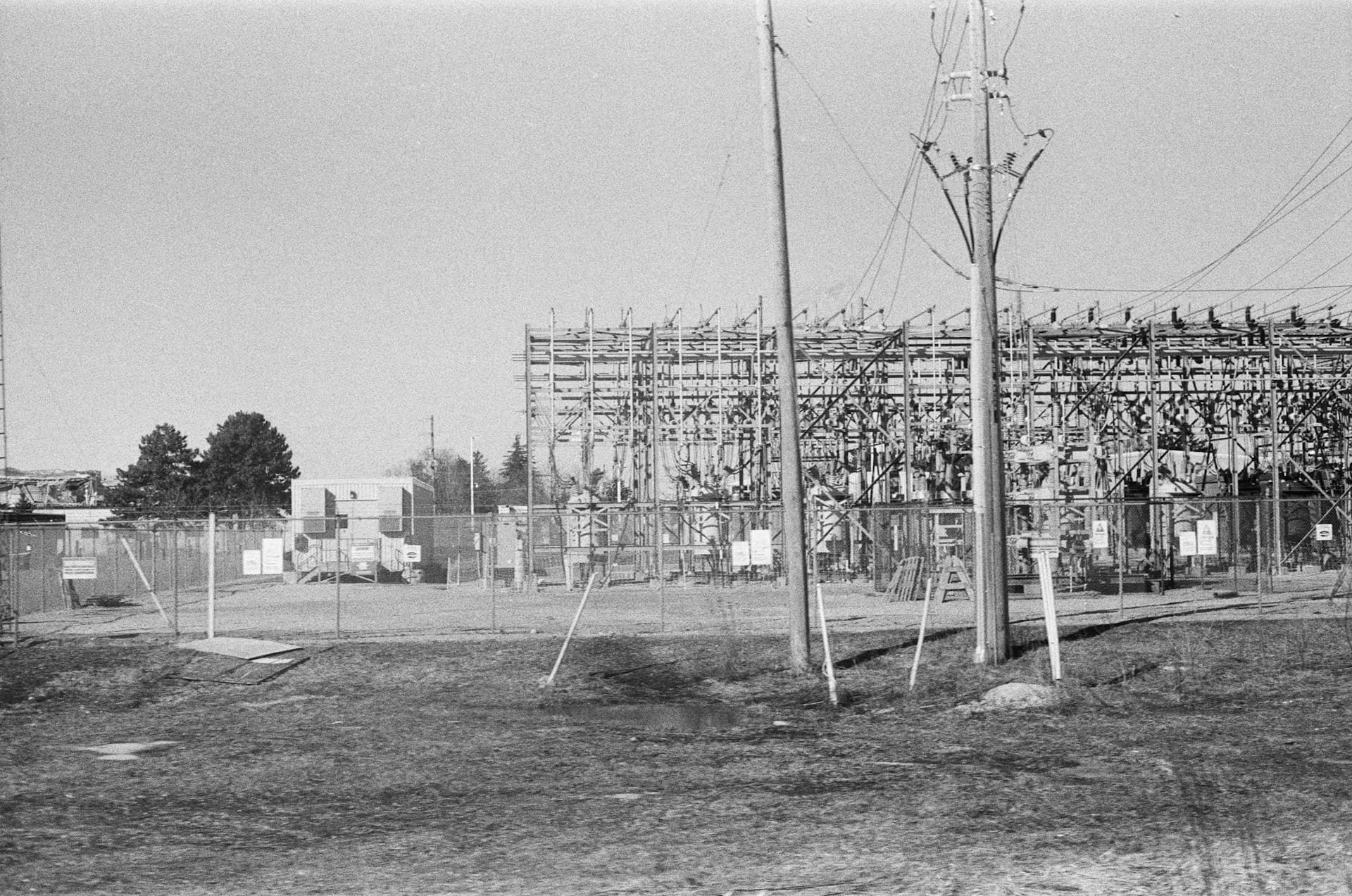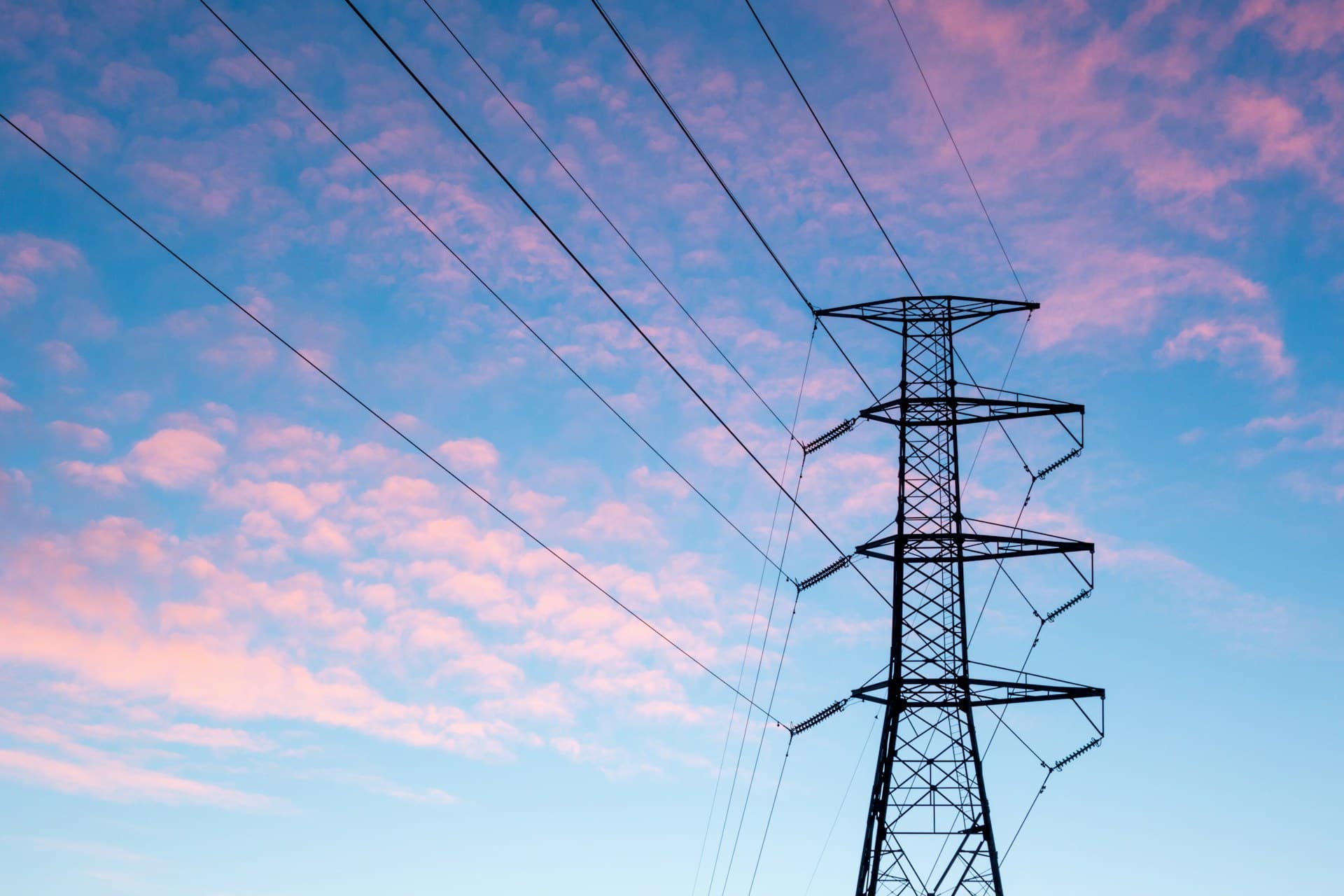
For most of the last two decades, building a data centre meant solving for land, fibre, cooling and customers. Power was a line item: request a connection, pay the contribution, wait for the substation. That order has flipped. In many markets the first question a developer now asks is not where but when can we be energised — and the answer is increasingly measured in years.
Power has become the critical path
The International Energy Agency estimates that data centres used around 415 TWh of electricity in 2024, about 1.5% of global demand, and projects that figure to roughly double by 2030. That growth is landing on transmission and distribution networks that were planned for a slower world.
The result is visible in connection queues. In the United States, Lawrence Berkeley National Laboratory's Queued Up series has tracked a steady rise in the time between a connection request and commercial operation, now approaching five years for many projects. Similar pressure shows up in Ireland, the Netherlands, Singapore, parts of Malaysia and across Australia's eastern states, where network operators have paused, rationed or re-sequenced new large loads.
For a data centre developer, a delayed connection is not a minor inconvenience. A building that is finished but not energised earns nothing, while its capital is fully deployed.
What "time-to-power" actually measures
Time-to-power is the interval between the decision to build and the moment the IT load can run on firm electricity. It has three components:
- Approvals and design: planning consent, environmental assessment, electrical design.
- Supply: the connection agreement, network upgrades and substation works, or the procurement and installation of onsite generation.
- Commissioning: testing, integration with the facility's electrical and cooling systems, and ramp-up.
Construction of a modular data hall can now be measured in months. When the supply component runs to years, it dominates the whole schedule.
How onsite generation changes the timeline
Onsite generation moves the supply component inside the developer's control. Instead of waiting for network capacity to be built and allocated, the power plant is built alongside the facility and commissioned with it.
That changes three things:
- Sequencing. Generation can be procured in parallel with the building rather than after a connection offer.
- Sizing. The plant is sized to the load that exists, then extended in blocks as halls come online, rather than contracted as a single large connection years in advance.
- Certainty. The schedule depends on equipment delivery and site works, which developers already know how to manage, not on a third party's investment plan.
Onsite generation does not have to mean abandoning the grid. Many sites use it as the primary supply with a grid connection added later for export or backup. Others run fully islanded, which is increasingly practical for sites where a connection is not available at any reasonable cost or date.
Modular blocks for modular facilities
The data centre industry has already moved to modular construction: prefabricated power and cooling skids, data halls built in phases, capacity added as contracts are signed. Power supply should follow the same logic.
CNP builds generation in modular blocks from 1 MW up to 20 MW per site, designed to sit next to the data centre and grow with it. Each block is factory-fabricated, installed on a prepared pad and integrated with the site's switchgear. Adding capacity means adding blocks, not re-engineering the plant.
For a developer, this means the first hall can be energised on its own schedule, and the second hall's power can be ordered when the second hall is.
Reliability is designed in, not bought from the network
Moving supply onsite puts reliability in the operator's hands. That is a responsibility, but also an advantage: the architecture can be designed for the facility's actual uptime requirement rather than inherited from the local network.
CNP plants for data centres are designed with full backup and redundancy, and CNP offers contractual availability commitments of up to 99.999% at the point of supply. We explain what that figure means, and how it is achieved, in What 99.999% availability really means.
The commercial case: revenue brought forward
It is tempting to compare onsite generation with grid supply purely on cost per kWh. That comparison misses the largest number in the model: the revenue a facility earns in the months or years it would otherwise have spent waiting for a connection.
A useful way to frame the decision:
- Months saved × contracted IT load × revenue per MW-month gives the value of earlier energisation.
- Set against it: any premium in the delivered cost of onsite energy over the life of the agreement.
Under an Energy-as-a-Service agreement the developer does not fund the plant at all. CNP finances, builds, owns and operates the generation and sells the power, so the data centre's capital stays in the facility.
Questions to ask early
If time-to-power is on your critical path, a few questions narrow the options quickly:
- What is the realistic grid connection date for the full load, and for the first phase?
- What load do you need on day one, and how will it grow?
- Is there space on or next to the site for a generation pad and fuel handling?
- What uptime do your customers contract for, and what redundancy does that imply?
- Do you want to own the power plant, or buy the power?
Next step
We work with developers at site-selection stage as well as with sites that already have a building and no power. Tell us about your site and we will come back with a view on size, layout and timing.